 December
11,
2025BeautyBeauty FeatureBeauty /
Beauty FeatureThese photos document the evolution of ageing tattoos
December
11,
2025BeautyBeauty FeatureBeauty /
Beauty FeatureThese photos document the evolution of ageing tattoosRipe, a photo series by Alix Nyssen, captures the way ink stretches, fades and blurs across decades
ShareLink copied ✔️December 11, 2025December 11, 2025TextTiarnaRipe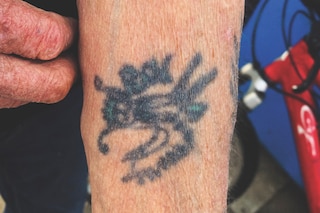
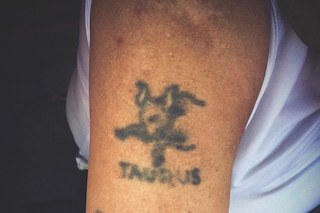
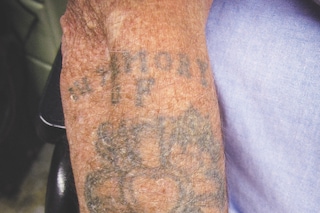
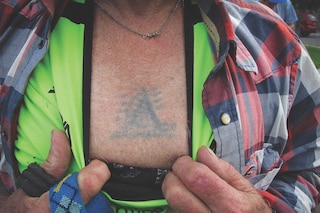
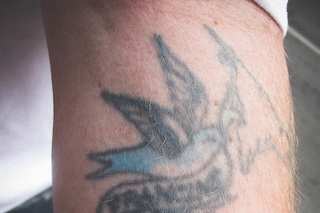
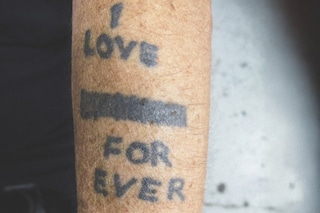 Gallery / 21 images
An age-old debate around tattoo culture centres on how ink will look as we age. Online, it’s common to see speculation about what today’s tattoos might become: cybersigil backpieces that will bleed out, delicate fine-line scripts turning illegible, and ironic motifs that might fall flat with future generations’ humour. Easing some of that anxiety is Ripe – a photobook by Alix Nyssen that offers a meticulously curated glimpse at tattoos from the 1980s, now decades on, in various states of permanence.
“Ripe. The word conjures the moment fruit reaches its peak, just before it begins to rot – a brief threshold between maturity and decay,” Nyssen writes in the book’s introduction. It’s the idea that shapes her approach to the project, documenting vintage tattoos and their differing states on ageing skin. “It reframes the familiar idea that tattoos are ‘forever’ by noting that skin is not stone, that it stretches, loosens, and shifts over time, and the ink evolves with it, lasting only as long as the body that bears it,” she explains.
Alongside a historical foreword by tattoo historian Matt Lodder, the book brings together over 140 pages of tattoo photographs by Travis Salty, Jamie Jelinski, Alex Beaulac, Adam Pereira and Elizabeth Maltais. Together, they form a record of a practice that has historically been under-archived.

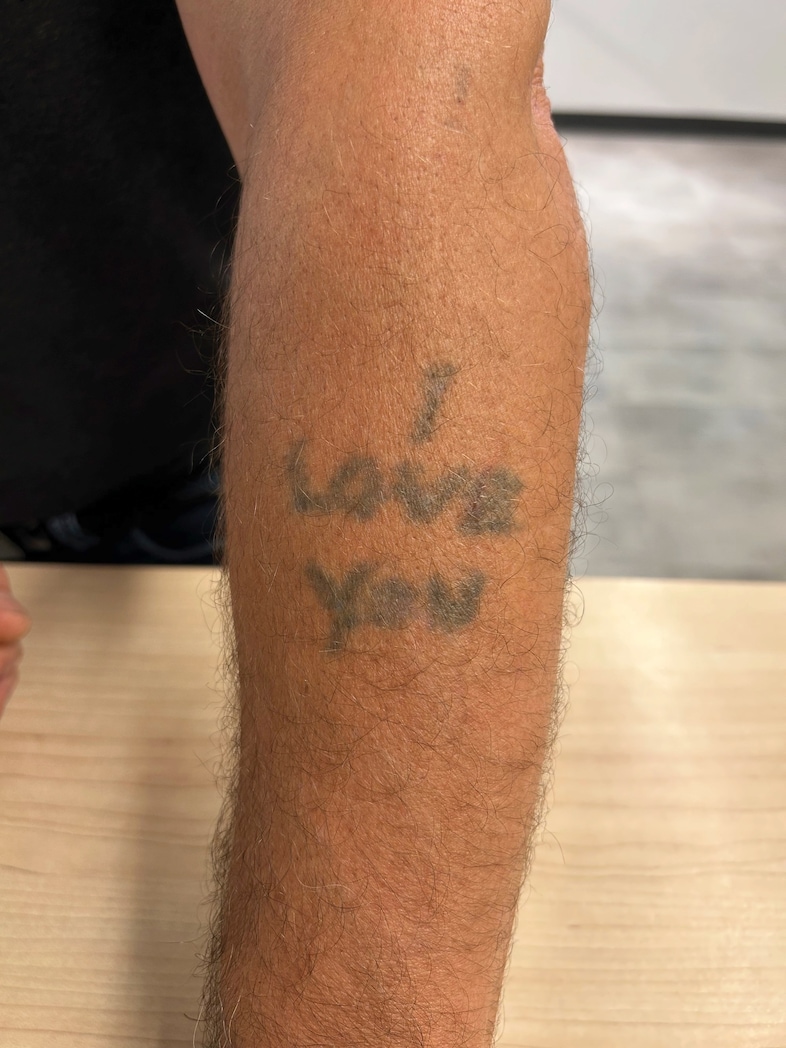 Photography Alex Beaulac
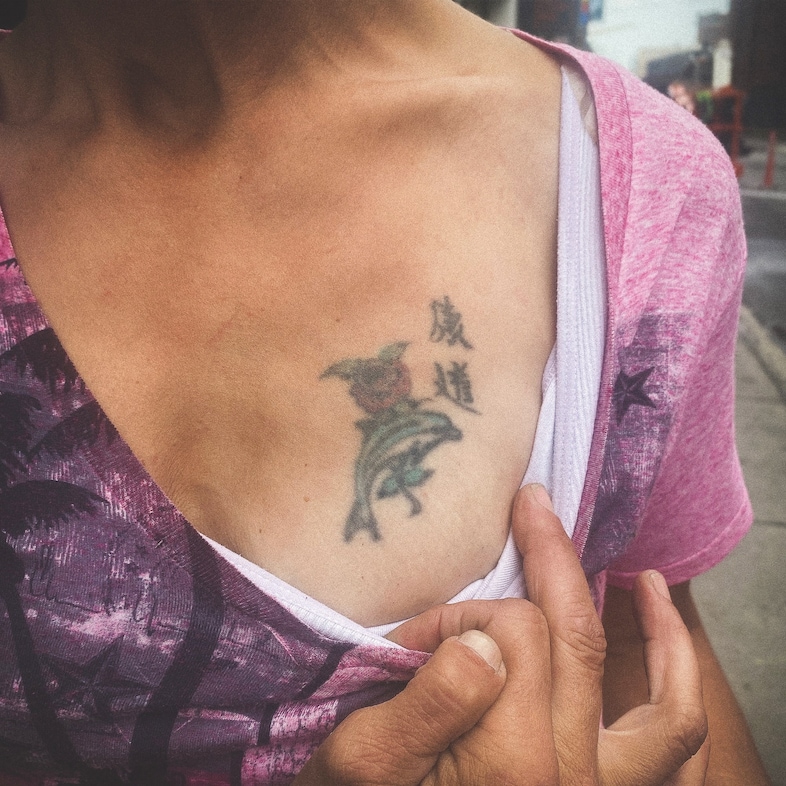
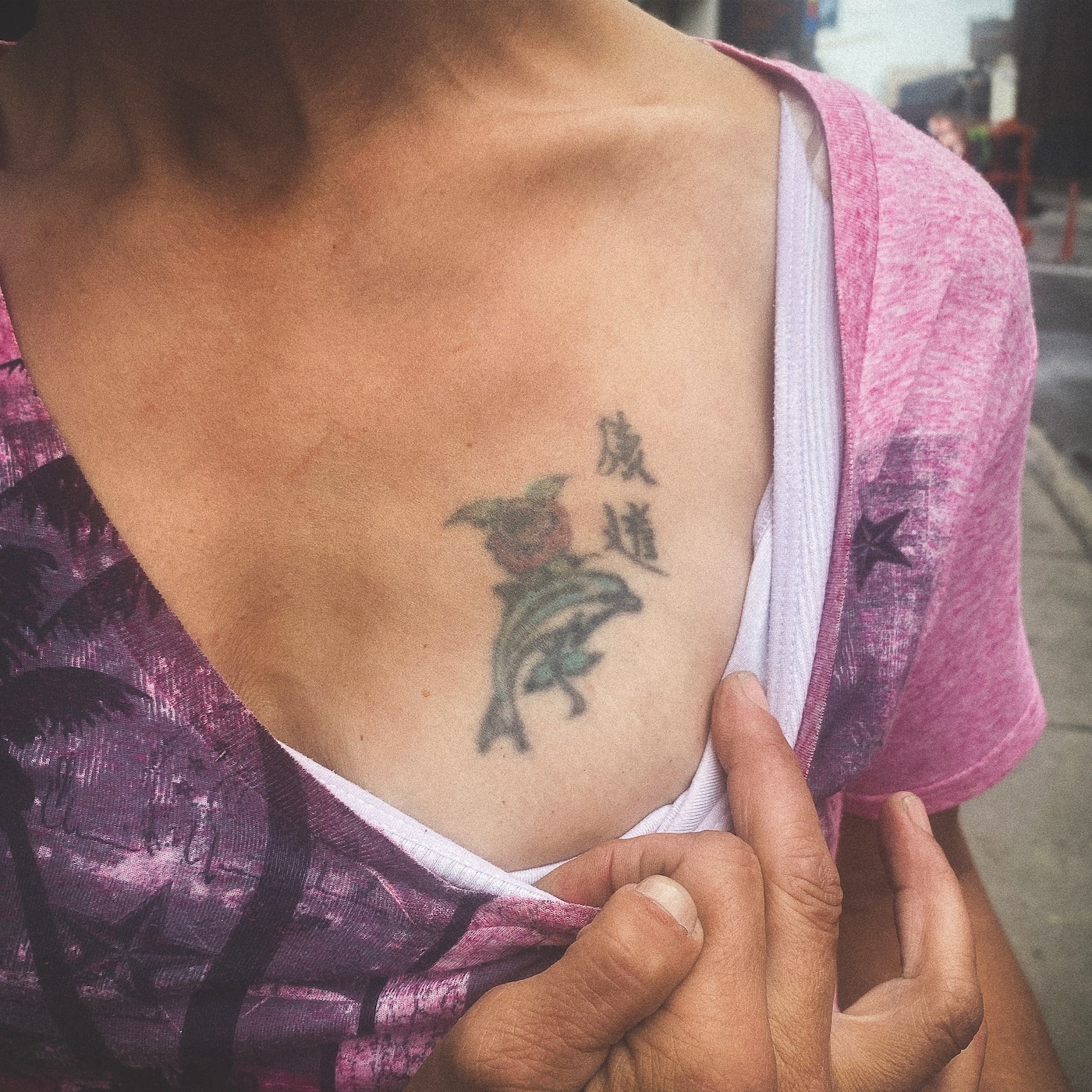
Within Ripe, the work of tattooists and documentarians captures ink that has lived through decades. Some tattoos have softened or partially dissolved, the pigment drifting as skin fibres break down and the body gradually pushes the ink toward its edges. Others remain sharp, as their lines hold on.
The images that stand out from the project are the ones where life has intervened. She points to photographs where the skin is scarred, or where the design has faded almost entirely, or is populated by motifs of popular culture at that time. “One of the standouts for me is a stem with three flowers growing out from what looks like a can, a tattoo made in a Montréal kitchen in the early 1970s,” she shares. “The motif and its outlines, both thickened and faded, with pigment either diffused or expelled over time, evoke for me a sense of resilience as well as a memento mori.”
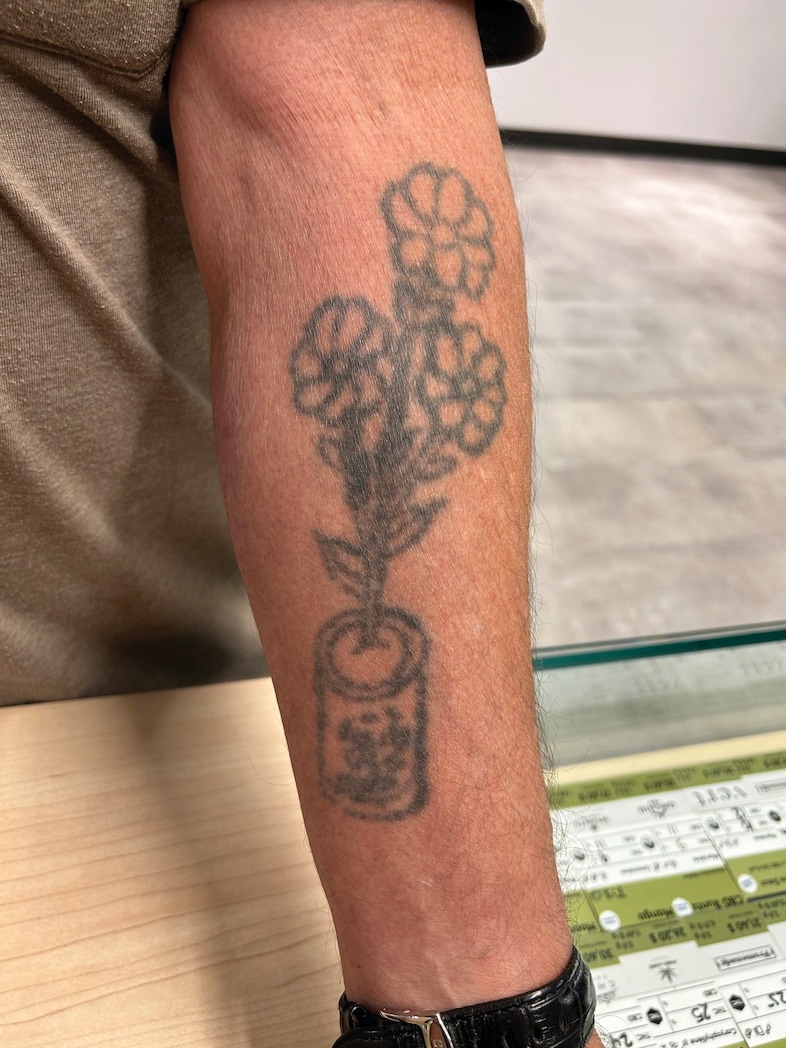 Photography Alex Beaulac
Nyssen’s interest in this material began during her doctoral research in 2019 at the University of Liège, where she started focusing on how tattooing can be exhibited, preserved and understood across time. “One of my interests lies in the idea that tattoos exist on a living, changing surface, and that any attempt to display or preserve them inevitably grapples with the fragility and impermanence of the body itself,” she says. Photography became a way of documenting something that was never meant to remain stable.
This is expanded further by Lodder’s foreword, which shifts the attention away from the mythologised “masters” of the craft and toward the people who have sustained it. “What tends to be overlooked are the countless, sometimes anonymous, professional and amateur tattooists, as well as the tattooed themselves, who kept the practice going,” Nyssen says. Homemade tattoos, tattoos done in the early hours in kitchens and bedrooms – all of these form part of the lineage that Ripe shines a light on.
It’s a framing of tattoo culture that is often overlooked, and one Nyssen hopes readers carry with them. Every tattoo, she reminds us, no matter how modest, belongs to a larger visual history of tattoo culture. “Covering or removing a tattoo doesn’t erase the past it once signified. In this sense, tattoos can sometimes be seen as a kind of living autobiographical archive, evolving with the person who wears them,” she explains. Ripe preserves that evolution, bringing together documentation of those tattoos before they disappear entirely.
RIPE is available online here
ShareLink copied ✔️More on these topicsBeautyBeauty FeatureFeatureTattoosageingExpand your creative community and connect with 15,000 creatives from around the world.
READ MORE
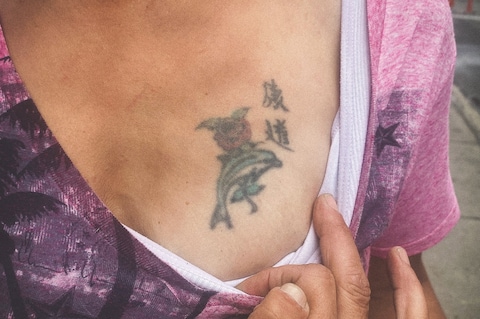
These photos document the evolution of ageing tattoos
Contorted photos of men’s feet in archive Prada heels

The 2025 Dazed 100 USA list is here
Self-care or self-erasure? Welcome to the age of bio-optimisation

Can Ozempic ‘heal’ ADHD and alcoholism? The alt-wellness community think so

Chappell Roan is MAC’s new global ambassador: ‘It feels full circle’
Beauty gift guide 2025: Dazed editors share their wishlists
The sweat-drenched world of Sukeban wrestling takes Miami
Jean Paul Gaultier
Jean Paul Gaultier’s iconic Le Male is the gift that keeps on giving
Meet the braider behind the Afro-textured hairstyles at PFW SS26

‘Accept your ugly’: I tried ‘beauty shadow work’ to help my self-esteem