
- Planet Earth
A volcanic eruption in 1345 may have kicked off a series of events that led to the Black Death sweeping through medieval Europe.
0 Comments Join the conversationWhen you purchase through links on our site, we may earn an affiliate commission. Here’s how it works.
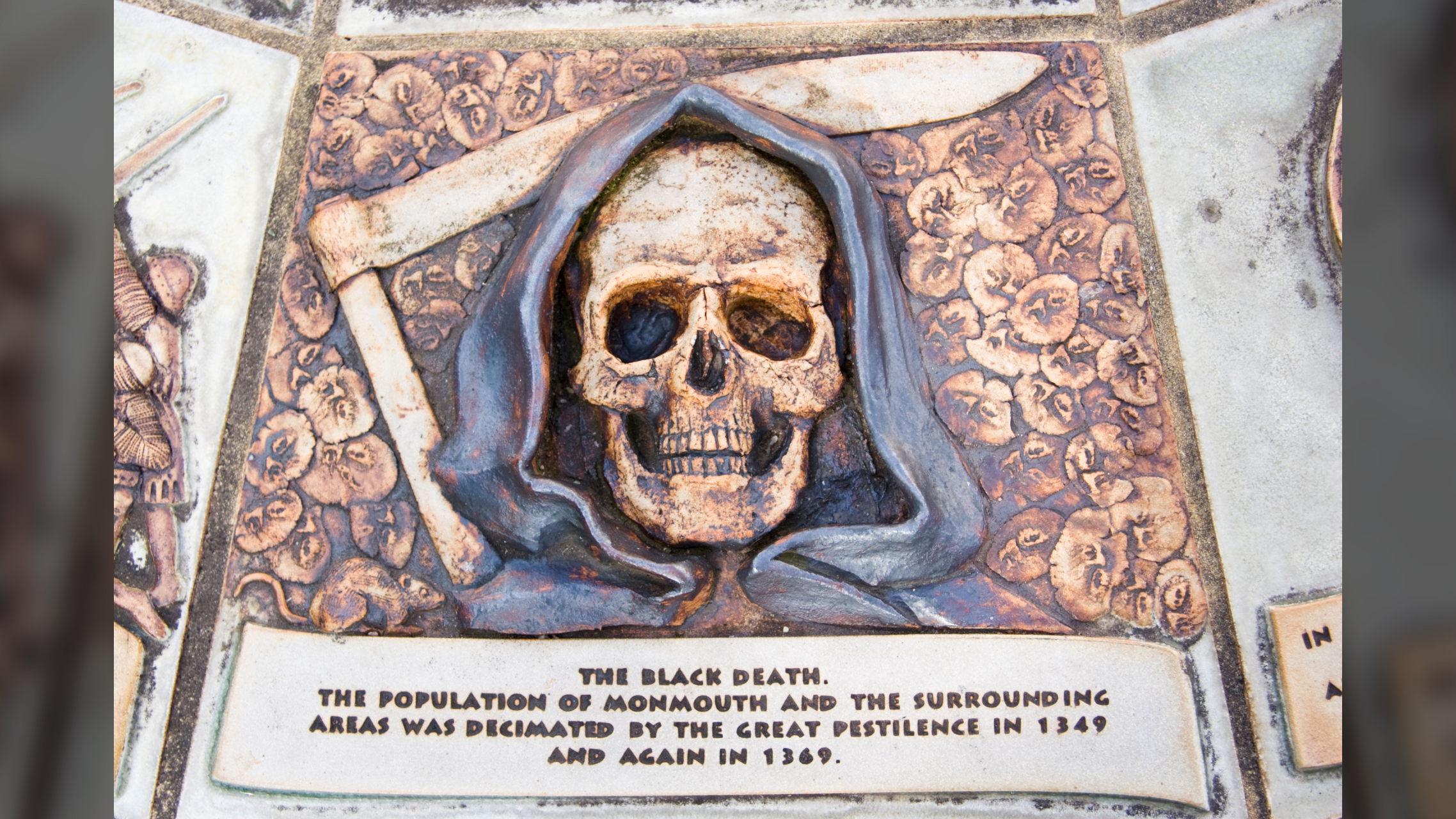 A plaque in England commemorates the arrival of the Black Death in 1349.
(Image credit: David Bleeker Photography/Alamy)
A plaque in England commemorates the arrival of the Black Death in 1349.
(Image credit: David Bleeker Photography/Alamy)
An unknown volcanic eruption in the mid-14th century may have set the stage for the spread of the Black Death in Europe, according to a new study. By triggering a cool and overcast period in the Mediterranean, the eruption started a domino effect that led to a downturn in agricultural production, which required merchants to import grain — and the bacterium Yersinia pestis that causes bubonic plague — via the Black Sea.
The bubonic plague pandemic, more commonly known as the Black Death, reached Europe in 1347 and quickly affected Italian port cities. The plague then spread throughout Europe over the next few years, resulting in the deaths of between 30% and 60% of the population.
You may like-
 Scientists discover new way to predict next Mount Etna eruption
-
 'Like a sudden bomb': See photos from space of Ethiopian volcano erupting for first time in 12,000 years
-
 'People made it out of the cities alive': Tracing the survivors of Pompeii and Herculaneum, 2,000 years after Vesuvius erupted
To answer this question, Bauch and Ulf Büntgen, a geographer at the University of Cambridge, investigated climate-driven changes in the Mediterranean that could explain the sudden appearance of the Black Death in 1347. Their research was published Thursday (Dec. 4) in the journal Communications Earth & Environment.
When combing through contemporaneous historical accounts, the researchers noticed reports of reduced sunshine, increased cloudiness and a dark lunar eclipse, all independently reported by observers in parts of Asia and Europe between 1345 and 1349. All of these astronomical and weather phenomena could be attributed to a large-scale volcanic aerosol layer, which has been known to cause cold spells as the sulfate aerosols reflect sunlight back into space.
Paleoclimate data gave the researchers a clue: High amounts of sulfur in polar ice cores suggested one or more eruptions of a previously unknown volcano around 1345.
"We cannot say very much about the volcanic eruption," Bauch said. "From the ice cores, we know that the eruption must have taken place in the tropics, because sulfate was found in similar concentrations in the ice of both the North and South Poles."
Sign up for the Live Science daily newsletter nowContact me with news and offers from other Future brandsReceive email from us on behalf of our trusted partners or sponsorsBy submitting your information you agree to the Terms & Conditions and Privacy Policy and are aged 16 or over.The researchers also looked at tree-ring data from around Europe and discovered that the summers of 1345, 1346 and 1347 were much colder than normal while the autumns were much wetter, causing soil erosion and flooding. Historical records also confirmed that changes in the environment had decreased the yield of a number of crops, including the grape harvest and grain production in Italy, requiring merchants to begin importing products from the Black Sea area to prevent famine.
"Upon return in the second half of 1347 CE, the Italian trade fleets, however, not only brought grain back to the Mediterranean harbours, but also carried the plague bacterium Yersinia pestis most likely via fleas that were feeding on grain dust during their long journey," the researchers wrote in the study.
The first cases of plague in humans were reported in Venice just a few weeks after the arrival of the last grain ships. "This initiates the typical infection cycle," Bauch said. "Rodent populations are infected first; once they die off, the fleas shift to other mammals and ultimately to humans."
You may like-
Scientists discover new way to predict next Mount Etna eruption
-
'Like a sudden bomb': See photos from space of Ethiopian volcano erupting for first time in 12,000 years
-
'People made it out of the cities alive': Tracing the survivors of Pompeii and Herculaneum, 2,000 years after Vesuvius erupted
Importing grain after several years' worth of volcano-induced climate change therefore prevented a Mediterranean-wide famine but also introduced the Black Death into Europe, the study authors proposed.
RELATED STORIES—Single gene may help explain the plague's persistence throughout human history
—Mass grave of plague victims may be largest ever found in Europe, archaeologists say
—Earliest known strain of plague could have come from a beaver bite
"This study brings in new information on the 1345 volcano, which helps explain why the Black Death — that is, the epidemic well-documented in sources from 1346 to 1350 — happened when it did," Monica H. Green, an independent scholar and expert on the Black Death who was not involved in the study, told Live Science in an email. "But it happened how it did — with a 'plague infrastructure' of rodents and insect vectors already established — because local reservoirs had already been established."
The onset of the Black Death resulted from a unique-but-random combination of short-term factors, like climate, and long-term factors, like the grain distribution system in Italy, the researchers wrote in the study.
Even though the Black Death resulted from a rare confluence of environmental and social factors, it's important to gain a better understanding of the causes of past pandemics, the researchers wrote, because "the probability of zoonotic infectious diseases to emerge and translate into pandemics is likely to increase in both a globalised and warmer world."
 Kristina KillgroveSocial Links NavigationStaff writer
Kristina Killgrove is a staff writer at Live Science with a focus on archaeology and paleoanthropology news. Her articles have also appeared in venues such as Forbes, Smithsonian, and Mental Floss. Kristina holds a Ph.D. in biological anthropology and an M.A. in classical archaeology from the University of North Carolina, as well as a B.A. in Latin from the University of Virginia, and she was formerly a university professor and researcher. She has received awards from the Society for American Archaeology and the American Anthropological Association for her science writing.
You must confirm your public display name before commenting
Please logout and then login again, you will then be prompted to enter your display name.
Logout Read more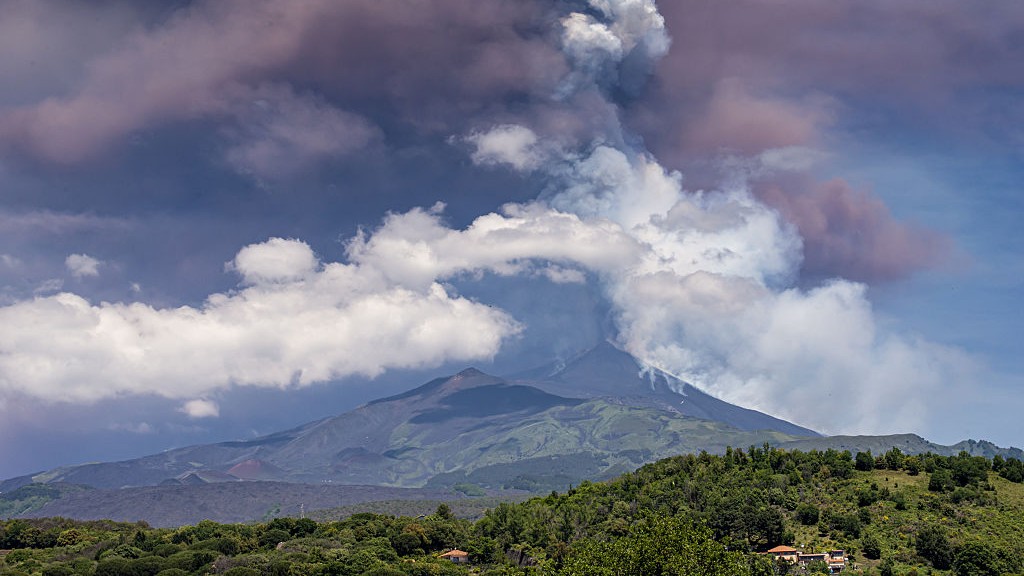 Scientists discover new way to predict next Mount Etna eruption
'Like a sudden bomb': See photos from space of Ethiopian volcano erupting for first time in 12,000 years
Scientists discover new way to predict next Mount Etna eruption
'Like a sudden bomb': See photos from space of Ethiopian volcano erupting for first time in 12,000 years
 'People made it out of the cities alive': Tracing the survivors of Pompeii and Herculaneum, 2,000 years after Vesuvius erupted
 'It's really an extraordinary story,' historian Steven Tuck says of the Romans he tracked who survived the AD 79 eruption of Mount Vesuvius
 Eruptions of ocean volcanoes may be the echoes of ancient continental breakups
 What happened to the asteroid that killed the dinosaurs?
Latest in Planet Earth
What happened to the asteroid that killed the dinosaurs?
Latest in Planet Earth
 Collapse of key Atlantic current could bring extreme drought to Europe for hundreds of years, study finds
 China has planted so many trees it's changed the entire country's water distribution
 Death Valley's 'world's hottest temperature' record may be due to a human error
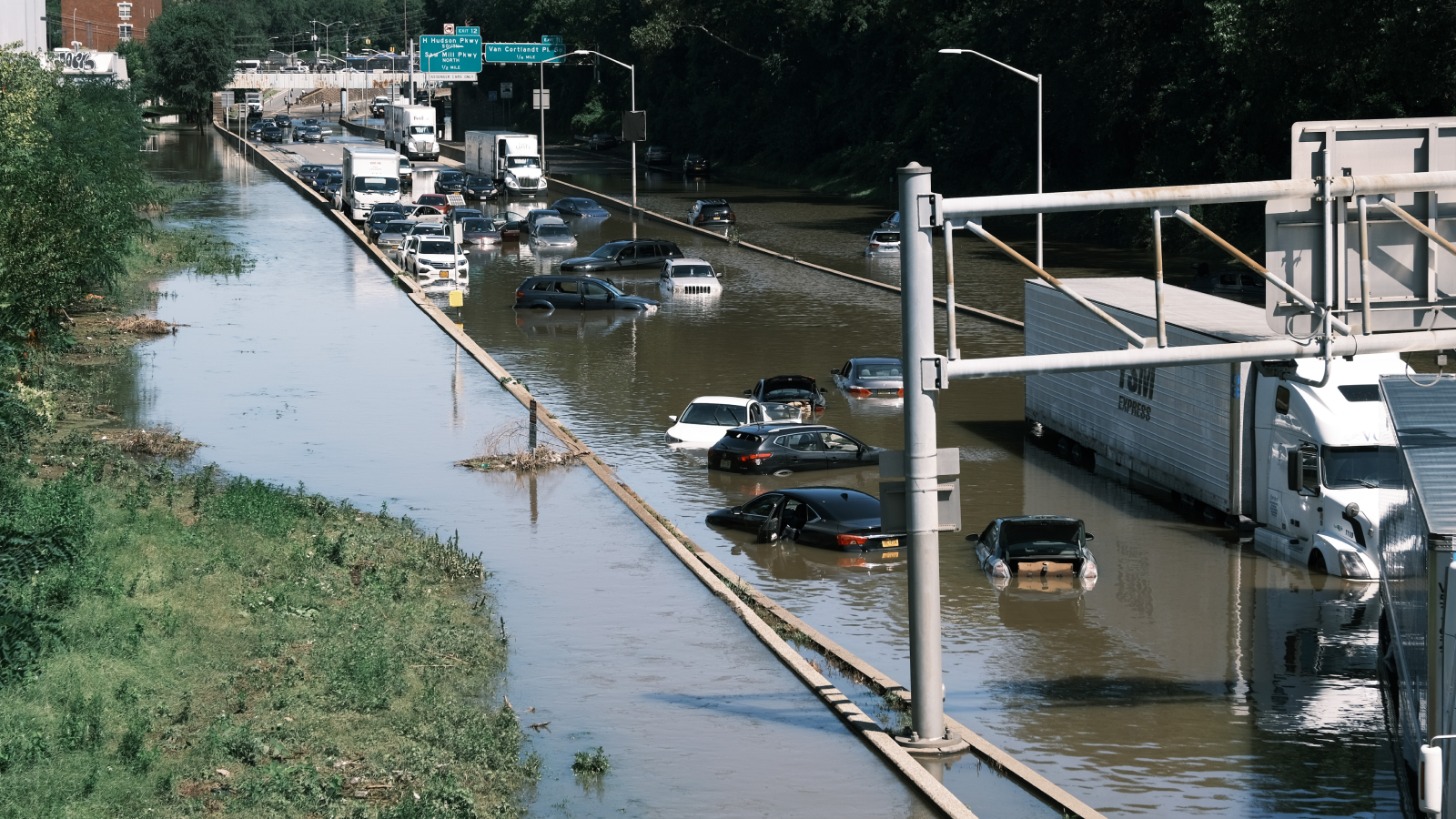 Once-in-a-century floods set to become annual events in northeastern US in the next 75 years, study finds
 Climate change is real. It's happening. And it's time to make it personal.
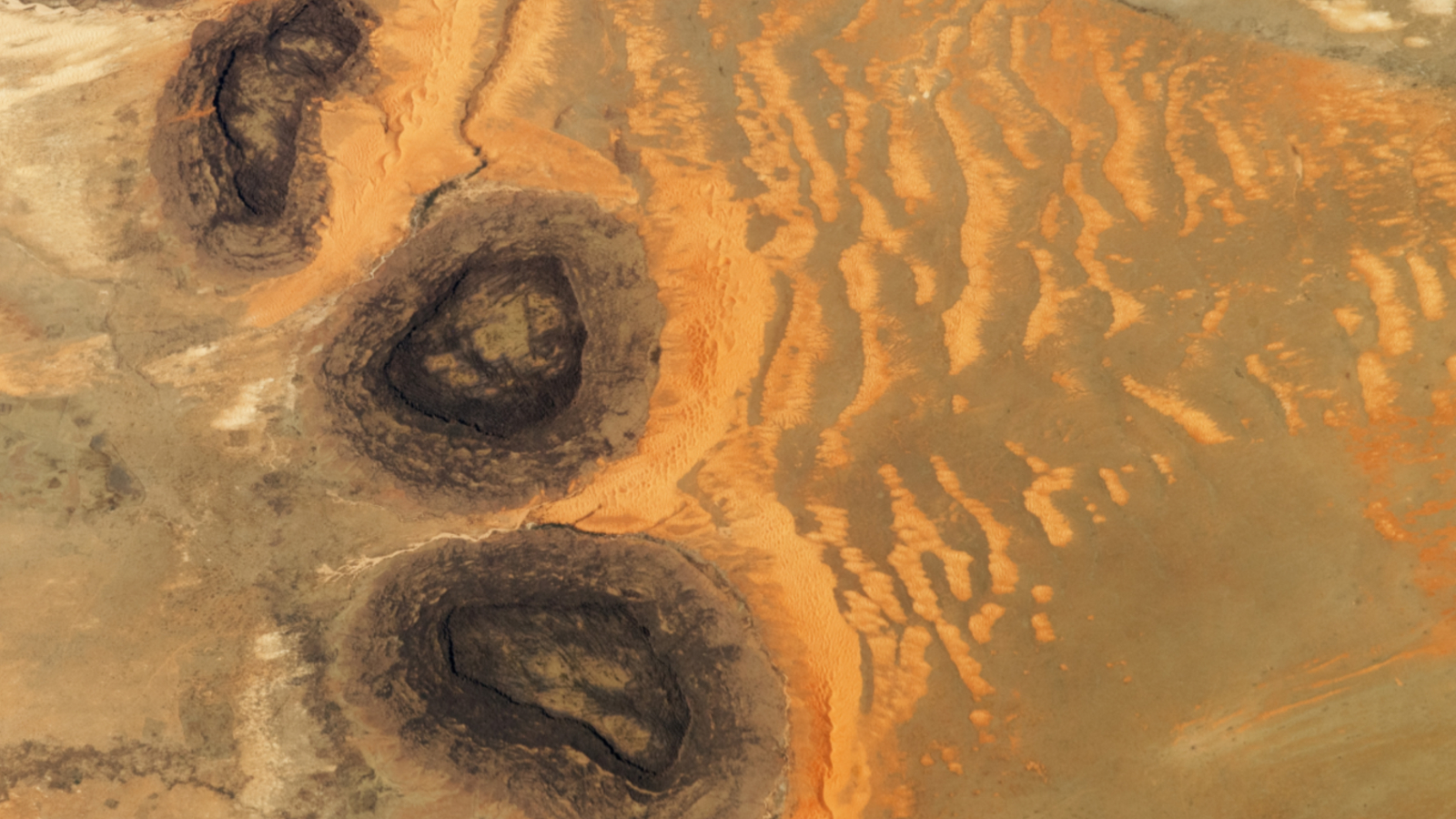 Trio of 'black mesas' leftover from Paleozoic era spawn rare sand dunes in the Sahara
Latest in News
Volcanic eruption triggered 'butterfly effect' that led to the Black Death, researchers find
Trio of 'black mesas' leftover from Paleozoic era spawn rare sand dunes in the Sahara
Latest in News
Volcanic eruption triggered 'butterfly effect' that led to the Black Death, researchers find
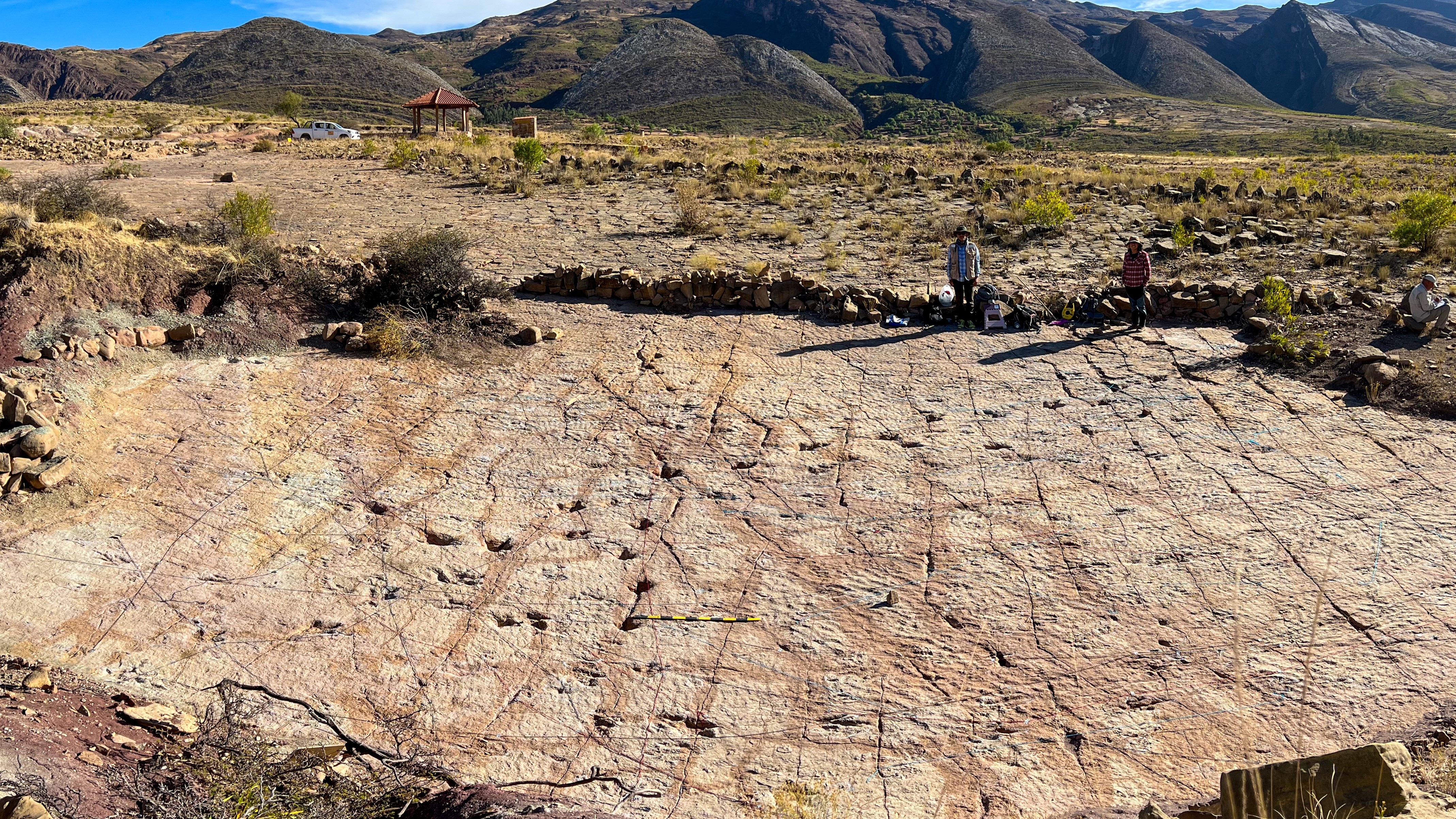 18,000 dinosaur tracks discovered along ancient Bolivian coastline — and they set a new record
 Giant rotating string of 14 galaxies is 'probably the largest spinning object' in the known universe
 Ancient 'hanging coffin' people in China finally identified — and their descendants still live there today
 'An extreme end of human genetic variation': Ancient humans were isolated in southern Africa for nearly 100,000 years, and their genetics are stunningly different
 JWST spots a planet chasing its own atmosphere through space
LATEST ARTICLES
JWST spots a planet chasing its own atmosphere through space
LATEST ARTICLES- 118,000 dinosaur tracks discovered along ancient Bolivian coastline — and they set a new record
- 2Collapse of key Atlantic current could bring extreme drought to Europe for hundreds of years, study finds
- 3MIT invention uses ultrasound to shake drinking water out of the air, even in dry regions
- 4Giant rotating string of 14 galaxies is 'probably the largest spinning object' in the known universe
- 5Ancient 'hanging coffin' people in China finally identified — and their descendants still live there today