- Animals
- Extinct species
- Dinosaurs
Researchers have counted 16,600 fossilized dinosaur footprints and 1,378 swim tracks at a site in Bolivia that showcase a variety of behaviors and different theropods from the Cretaceous period.
0 Comments Join the conversationWhen you purchase through links on our site, we may earn an affiliate commission. Here’s how it works.
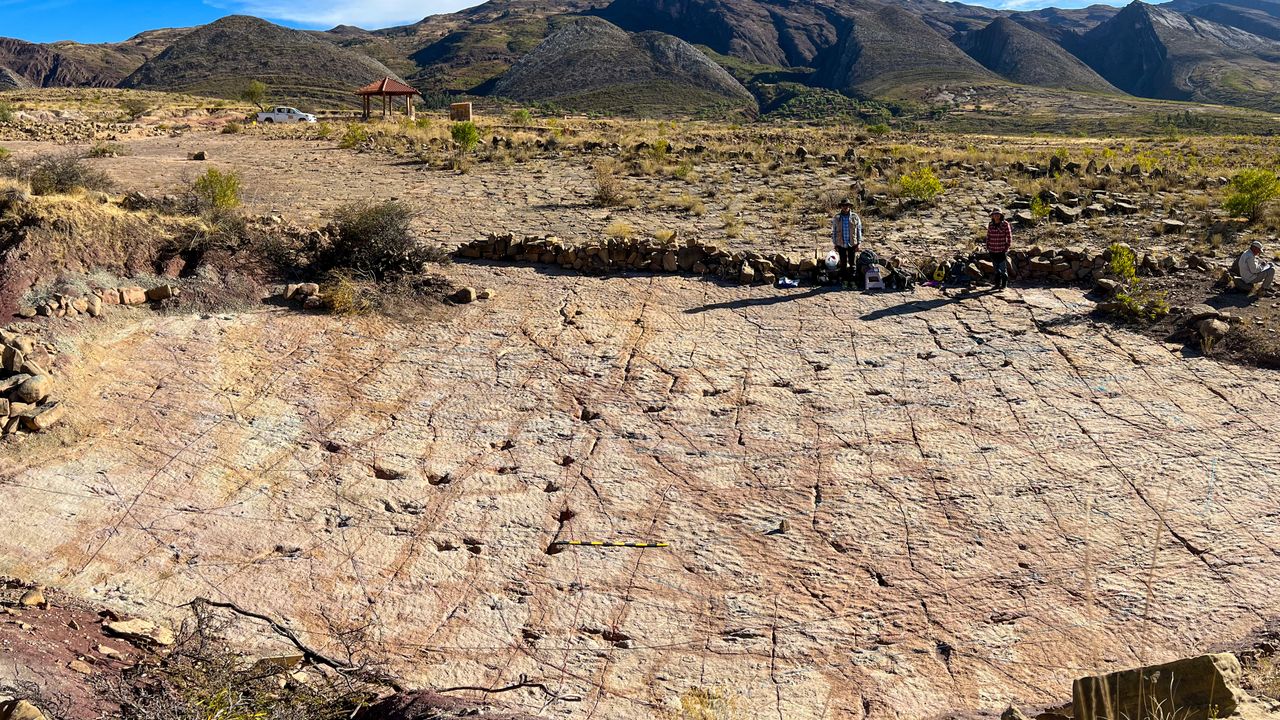
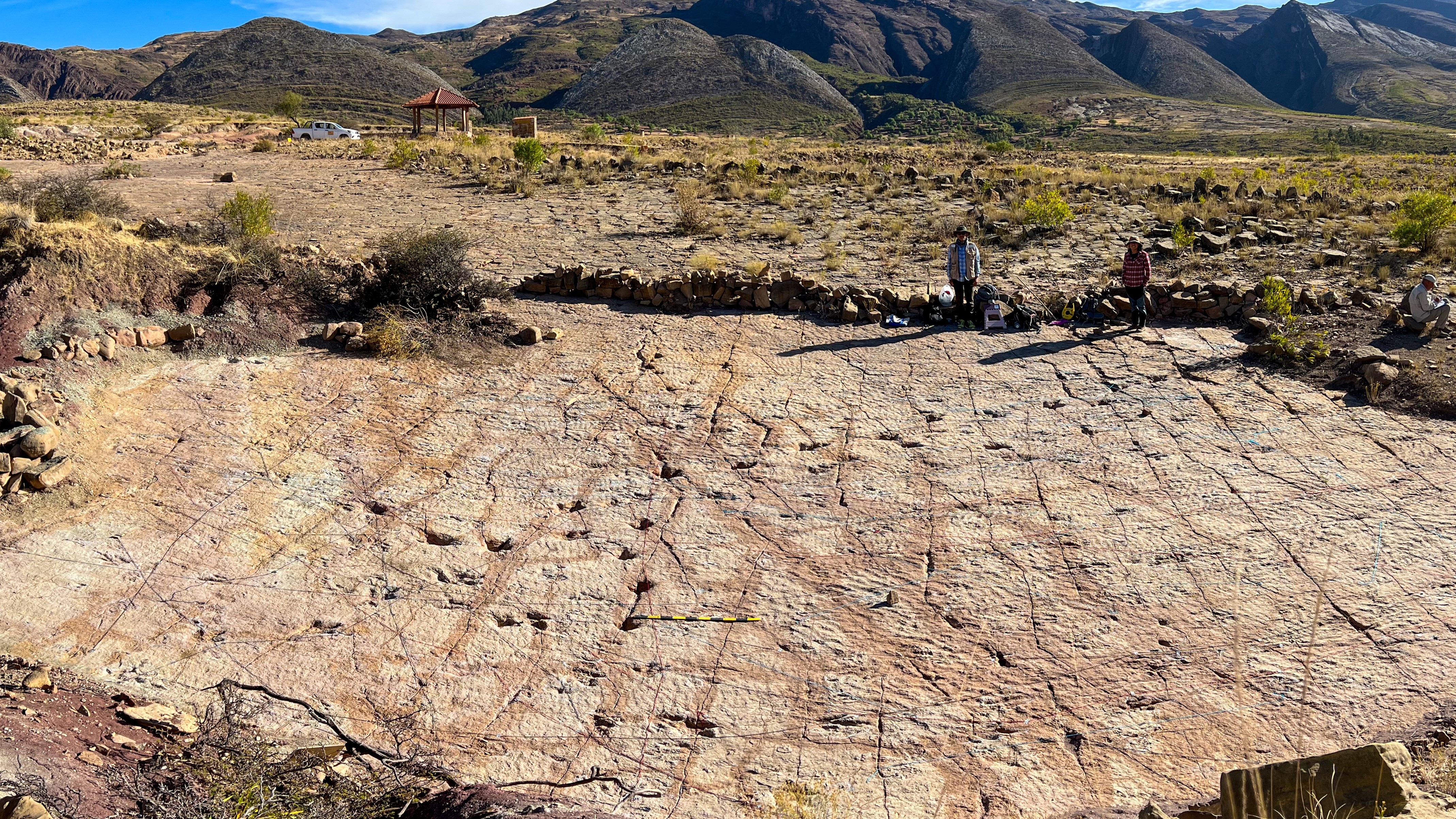 With the discovery, Carreras Pampa in Bolivia has become one of the premier dinosaur track sites in the world.
(Image credit: Raúl Esperante)
With the discovery, Carreras Pampa in Bolivia has become one of the premier dinosaur track sites in the world.
(Image credit: Raúl Esperante)
Scientists have discovered a record-breaking number of fossilized dinosaur footprints and swim tracks in a national park in central Bolivia.
The tracksite sits along what was once an ancient coastline, with ripple marks extending alongside the footprints and other imprints in a northwest-southeast direction, according to a new study. Most of the tracks belong to bipedal, three-toed dinosaurs known as theropods that lived at the end of the Cretaceous period (145 million to 66 million years ago), but many bird tracks are also preserved, the scientists noted in the paper, which was published Wednesday (Dec. 3) in the journal PLOS One.
You may like-
 Gigantic dinosaur with 'claws like hedge trimmers' found with croc leg still in its jaws in Argentina
-
 First-ever 'mummified' and hoofed dinosaur discovered in Wyoming badlands
-
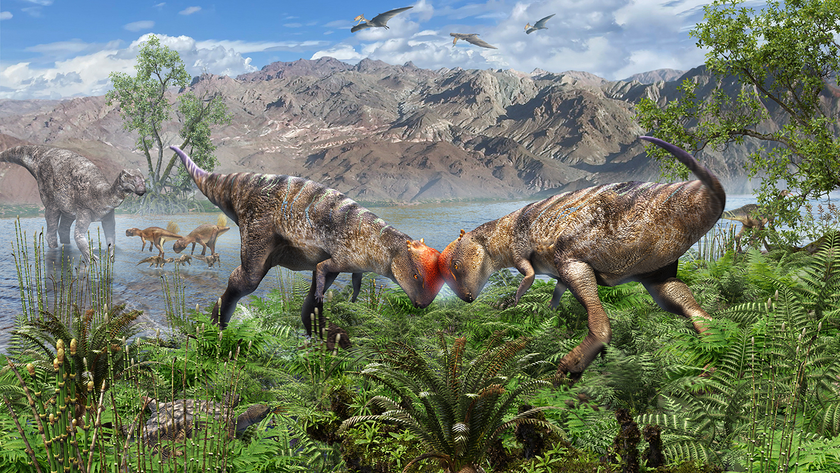 Oldest-known dome-headed dinosaur discovered sticking out of a cliff in Mongolia's Gobi Desert
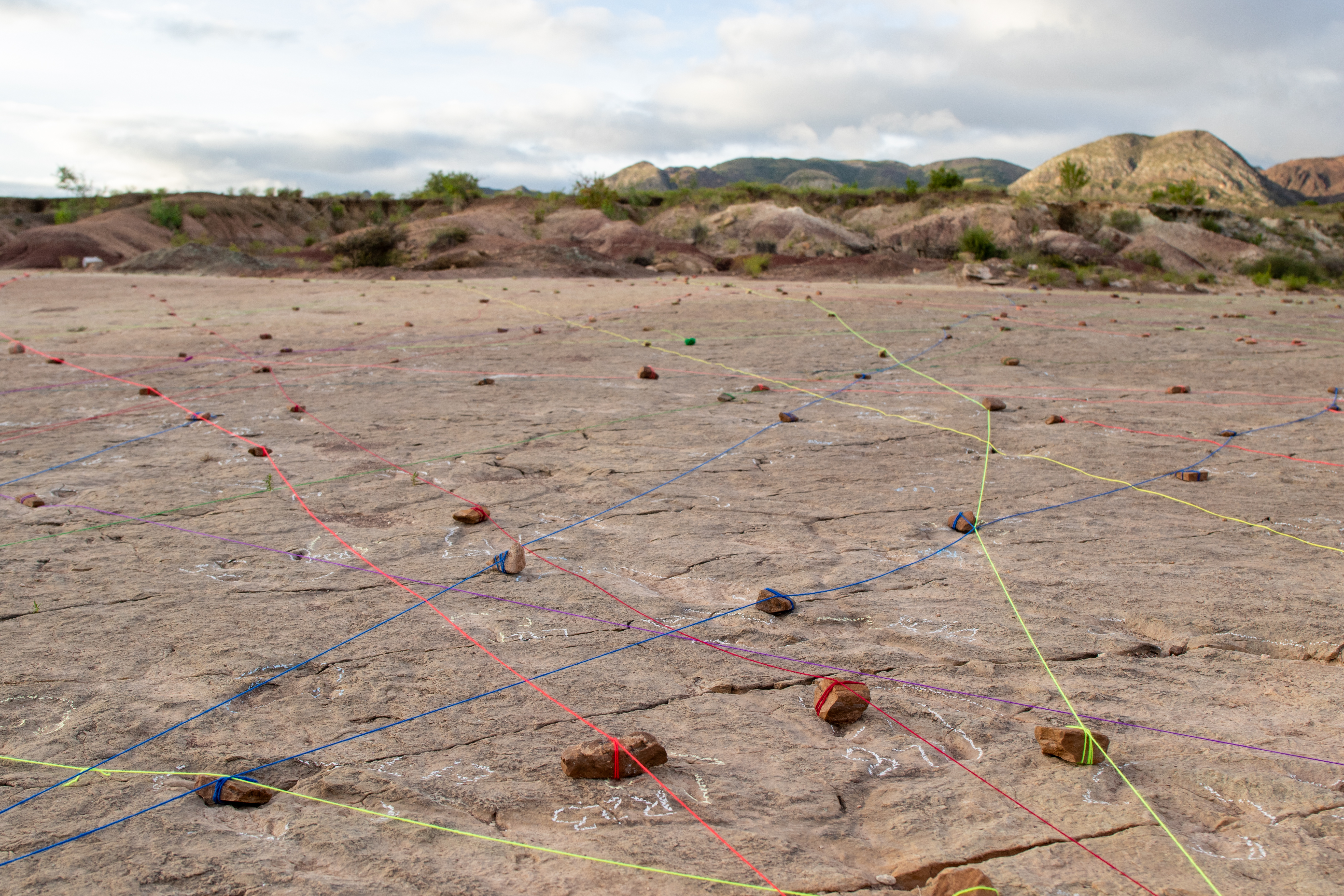
In total, McLarty and his colleagues counted 16,600 theropod footprints and 1,378 swim tracks. These were found in Bolivia's Carreras Pampa tracksite, which was already known but hadn't been properly studied or documented.
Carreras Pampa extends across 80,570 square feet (7,485 square meters) in Torotoro National Park. The initial work involved sweeping debris off the dinosaur imprints with brooms, clearing the tracksite of rocks and removing sediment in places where additional tracks were likely to be found.
The team discovered a huge variety of footprint shapes and sizes, indicating that many types of theropod dinosaurs roamed along the ancient coastline. Several tracks had footprints shorter than 4 inches (10 centimeters), which is rare in the fossil record, according to the study. It's unclear if these footprints were made by small theropod species such as Coelophysis or by juveniles of larger species, the researchers wrote.
The largest footprints were more than 12 inches (30 cm) long, and the team thinks these may have been made by mid-size theropod dinosaurs such as Dilophosaurus or Allosaurus. Large theropods such as Tyrannosaurus rex and Giganotosaurus typically leave 16-inch-long (40 cm) footprints, the researchers noted.
Sign up for the Live Science daily newsletter nowContact me with news and offers from other Future brandsReceive email from us on behalf of our trusted partners or sponsorsBy submitting your information you agree to the Terms & Conditions and Privacy Policy and are aged 16 or over.
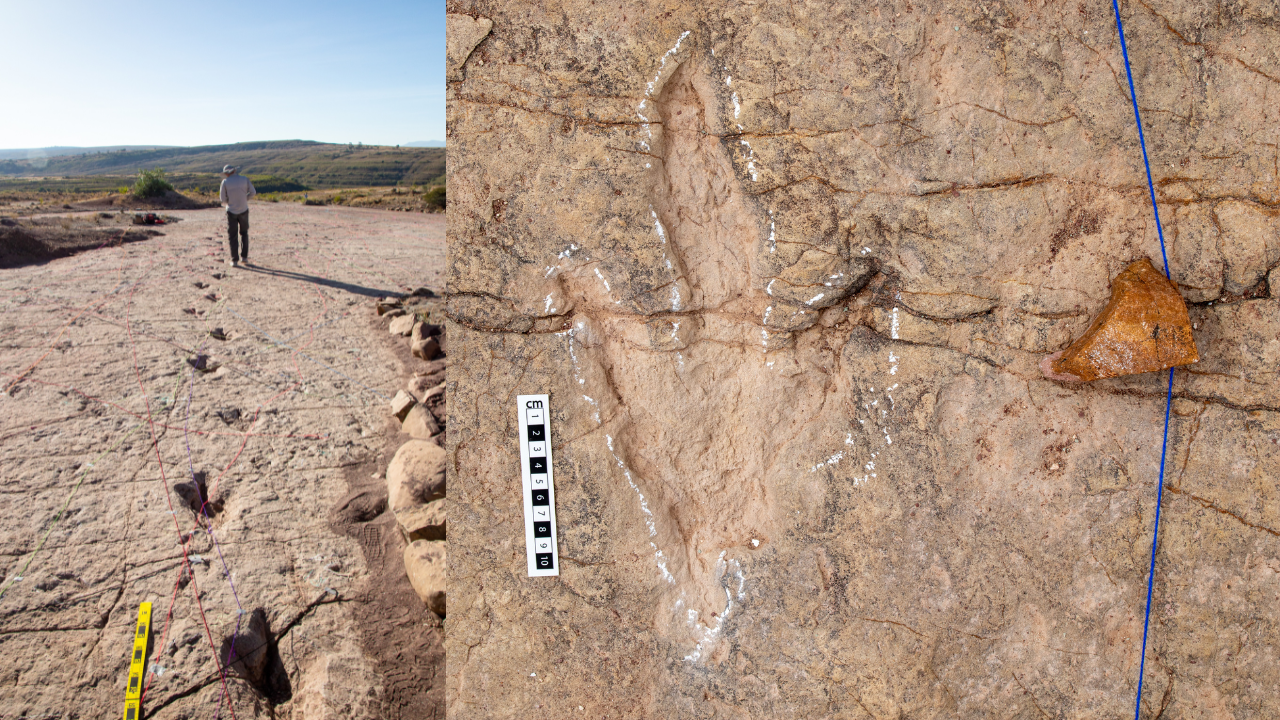
Carreras Pampa is unique because the footprints show different dinosaur behaviors, such as walking, running, swimming, tail-dragging and making sharp turns. "It preserves evidence of several types of unusually preserved locomotive behaviors, and preserves one of the highest numbers of dinosaur tail traces anywhere in the world," McLarty said.
The swim tracks are straight or comma-shaped grooves that often have one or two similar but smaller grooves next to them, McLarty said. The main groove is from theropods scratching the sediment at the bottom of the water with their middle toe, while the smaller grooves are from the other toes. Unlike other sites that preserve only individual dinosaur swim tracks, Carreras Pampa preserves alternating left and right tracks, he said.
—Trove of dinosaur footprints reveal Jurassic secrets on Isle of Skye where would-be Scottish king Bonnie Prince Charlie escaped
—Weird bumps in UK quarry turn out to be 166 million-year-old dinosaur 'highway' for some of Jurassic's biggest dinosaurs
—115 million-year-old dinosaur tracks unearthed in Texas after devastating floods
The abundance of imprints shows that Carreras Pampa was a prehistoric highway, and the parallel orientation of some trackways suggests some dinosaurs traveled in groups.
Bolivia is known for being a dino track hotspot.
"The tracksite with the next highest number of tracks is also in Bolivia," McLarty said. "The Cal Orck'o tracksite is located in an active quarry as a nearly vertical wall and is long and thin. The Carreras Pampa tracksite is spread out across a wider area."
 Sascha PareSocial Links NavigationStaff writer
 Sascha is a U.K.-based staff writer at Live Science. She holds a bachelor’s degree in biology from the University of Southampton in England and a master’s degree in science communication from Imperial College London. Her work has appeared in The Guardian and the health website Zoe. Besides writing, she enjoys playing tennis, bread-making and browsing second-hand shops for hidden gems.
You must confirm your public display name before commenting
Please logout and then login again, you will then be prompted to enter your display name.
Logout Read more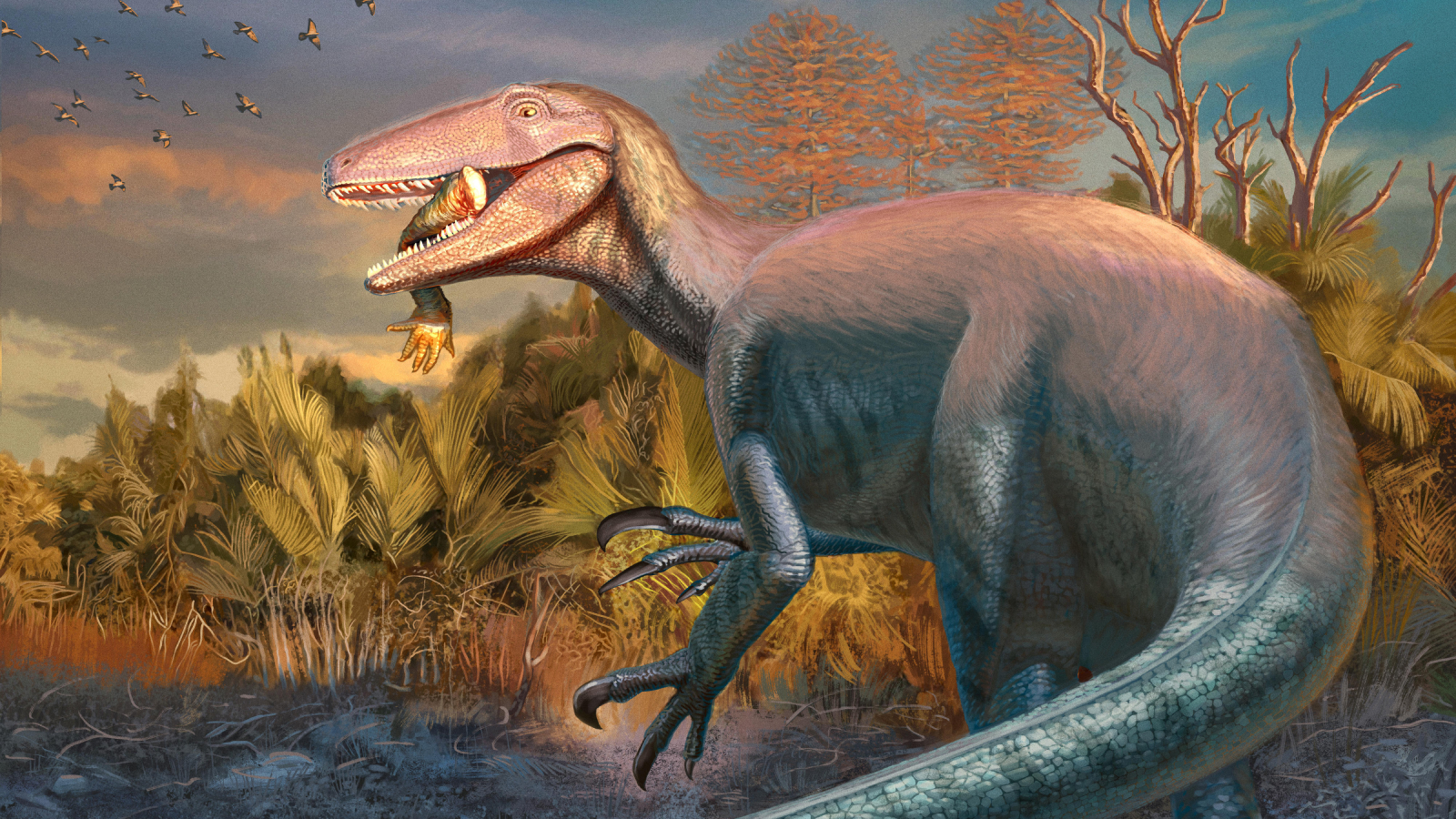 Gigantic dinosaur with 'claws like hedge trimmers' found with croc leg still in its jaws in Argentina
 First-ever 'mummified' and hoofed dinosaur discovered in Wyoming badlands
 Oldest-known dome-headed dinosaur discovered sticking out of a cliff in Mongolia's Gobi Desert
 Rare fossils in New Mexico reveal dinosaurs were doing just fine before the asteroid annihilated them all
 Large, bone-crushing dogs stalked 'Rhino Pompeii' after Yellowstone eruption 12 million years ago, ancient footprints reveal
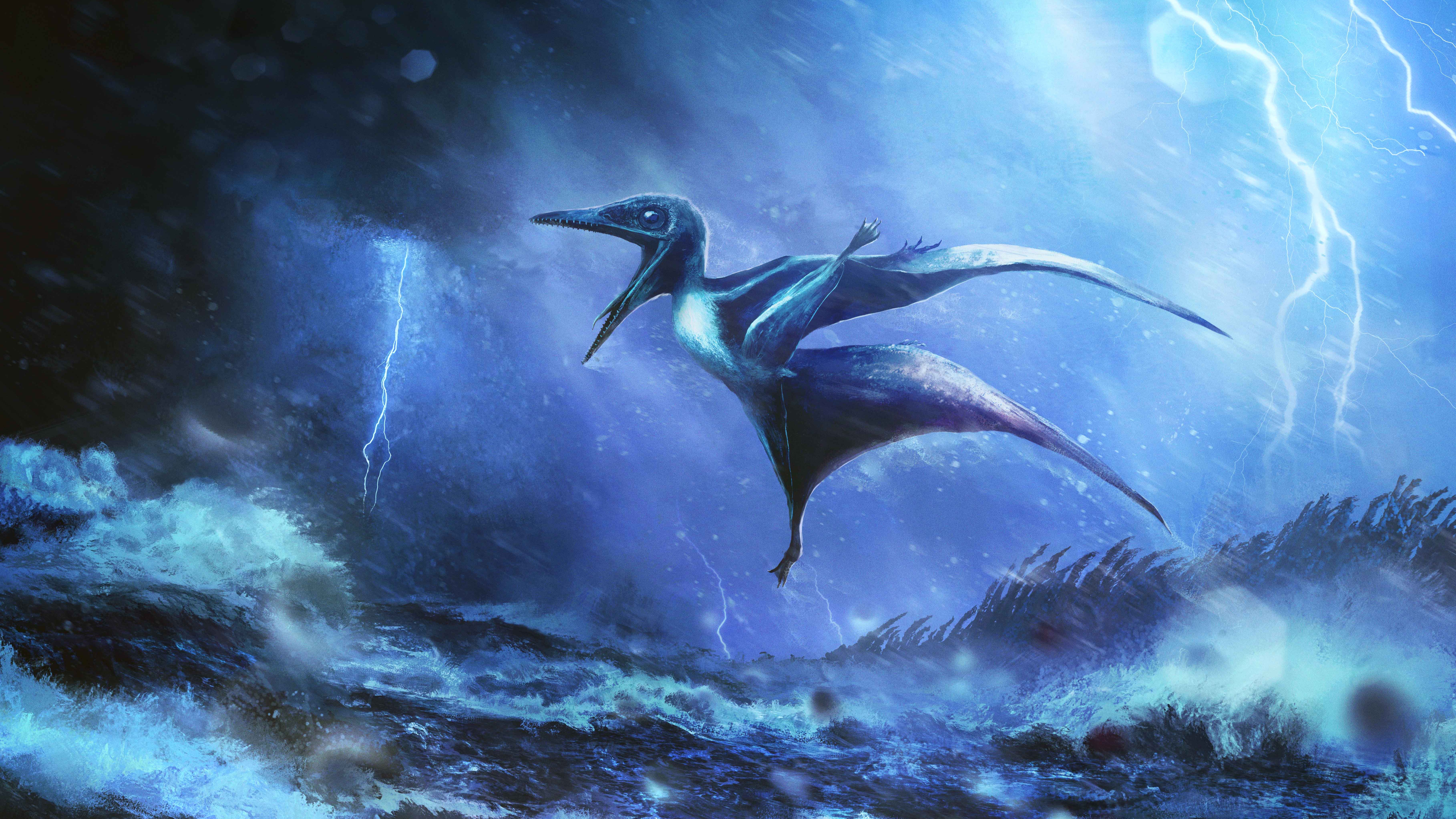 Scientists find baby pterosaurs died in violent Jurassic storm 150 million years ago
Latest in Dinosaurs
Scientists find baby pterosaurs died in violent Jurassic storm 150 million years ago
Latest in Dinosaurs
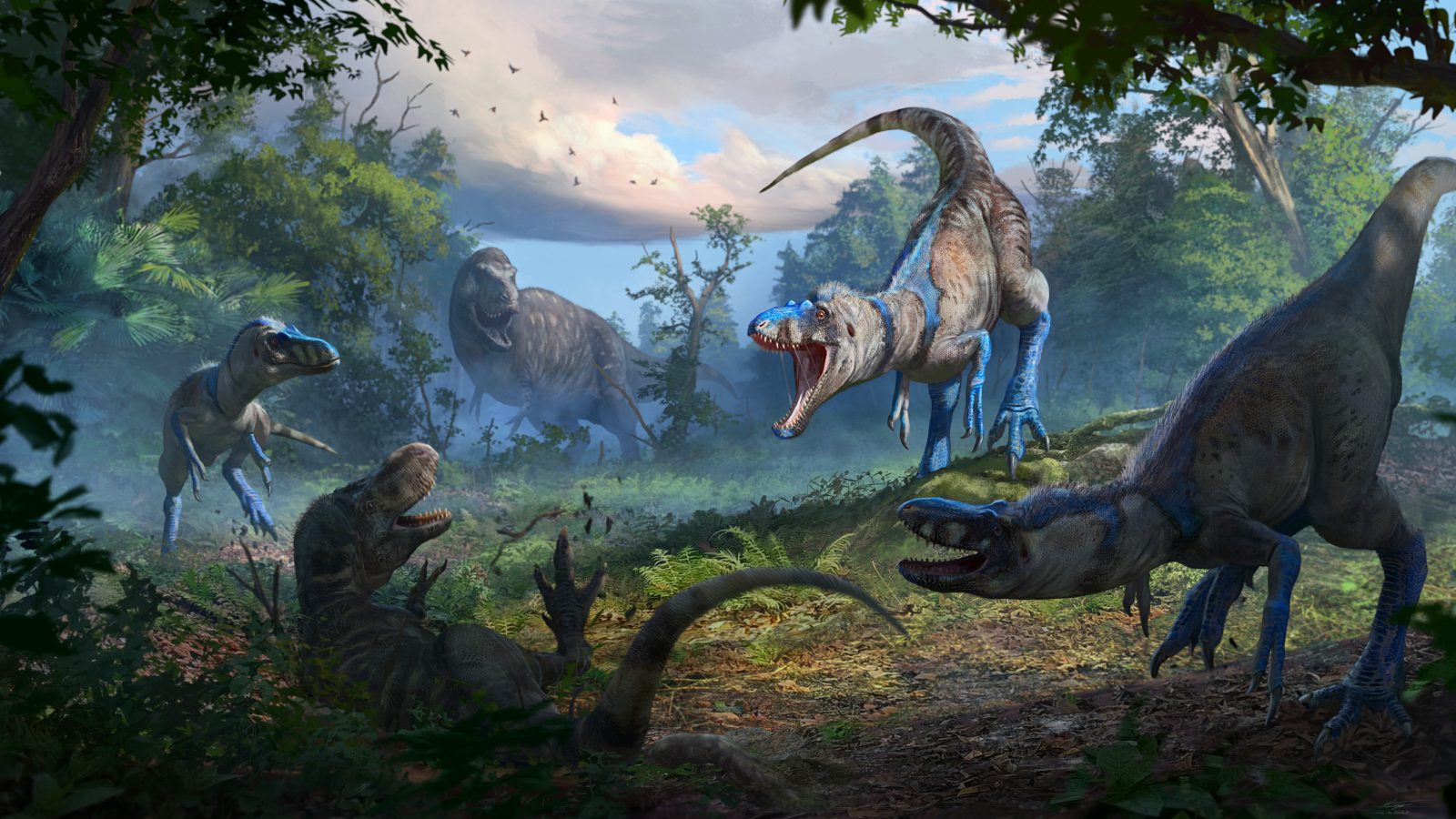 Nanotyrannus isn't a 'mini T. Rex' after all — it's a new species, 'dueling dinosaurs' fossil reveals
First-ever 'mummified' and hoofed dinosaur discovered in Wyoming badlands
Rare fossils in New Mexico reveal dinosaurs were doing just fine before the asteroid annihilated them all
Gigantic dinosaur with 'claws like hedge trimmers' found with croc leg still in its jaws in Argentina
Oldest-known dome-headed dinosaur discovered sticking out of a cliff in Mongolia's Gobi Desert
Scientists find baby pterosaurs died in violent Jurassic storm 150 million years ago
Latest in News
18,000 dinosaur tracks discovered along ancient Bolivian coastline — and they set a new record
Nanotyrannus isn't a 'mini T. Rex' after all — it's a new species, 'dueling dinosaurs' fossil reveals
First-ever 'mummified' and hoofed dinosaur discovered in Wyoming badlands
Rare fossils in New Mexico reveal dinosaurs were doing just fine before the asteroid annihilated them all
Gigantic dinosaur with 'claws like hedge trimmers' found with croc leg still in its jaws in Argentina
Oldest-known dome-headed dinosaur discovered sticking out of a cliff in Mongolia's Gobi Desert
Scientists find baby pterosaurs died in violent Jurassic storm 150 million years ago
Latest in News
18,000 dinosaur tracks discovered along ancient Bolivian coastline — and they set a new record
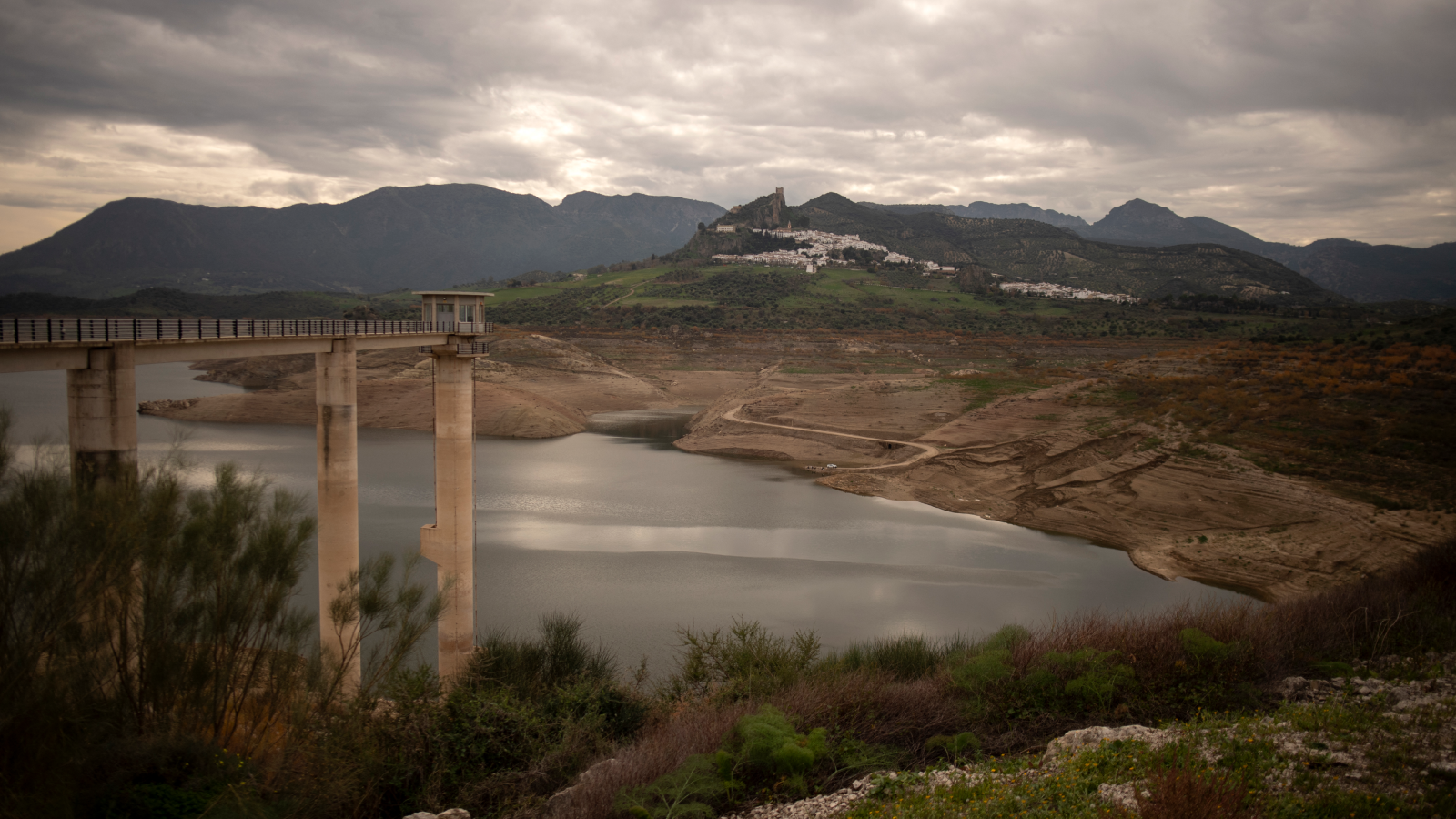 Collapse of key Atlantic current could bring extreme drought to Europe for hundreds of years, study finds
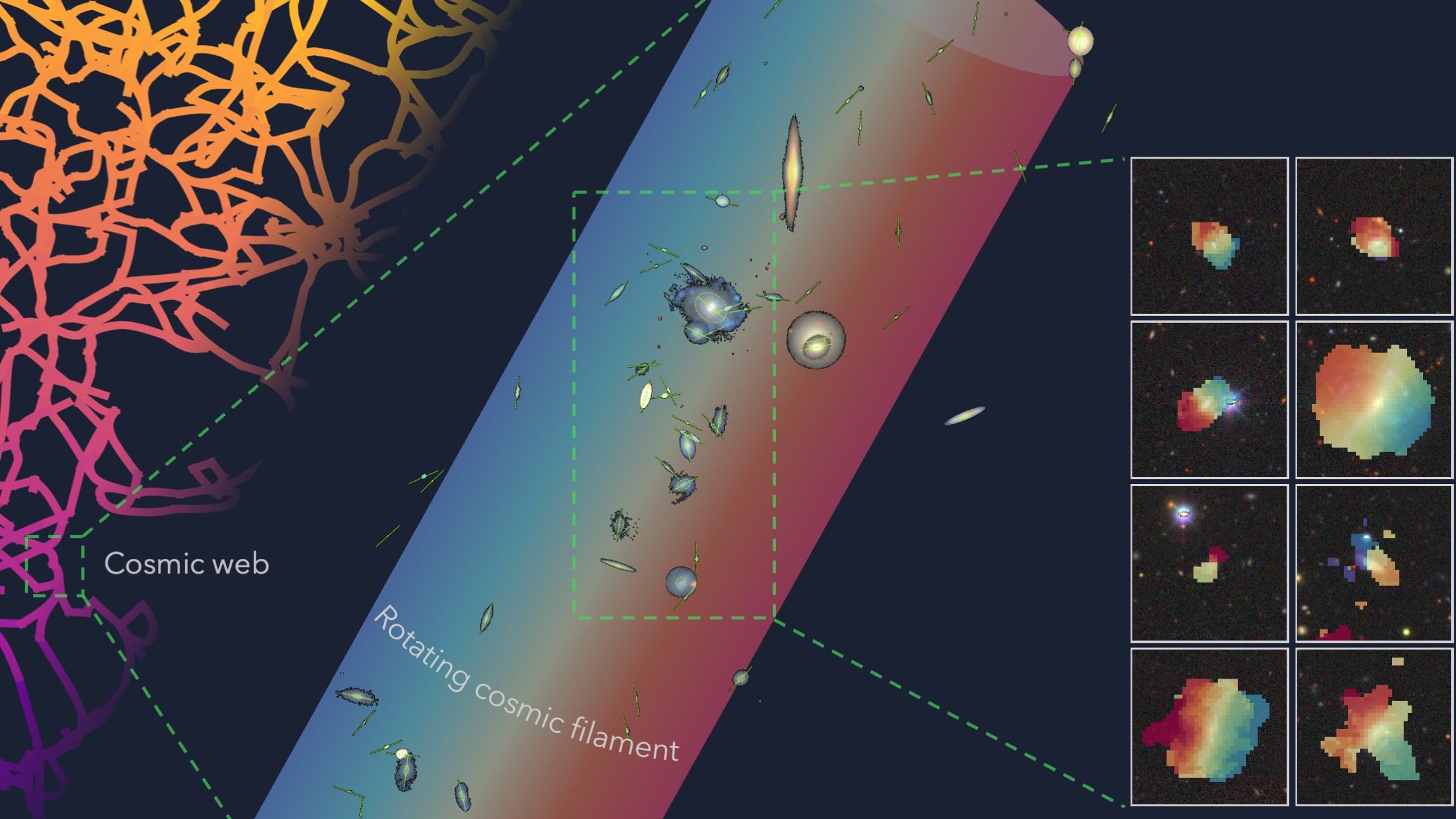 Giant rotating string of 14 galaxies is 'probably the largest spinning object' in the known universe
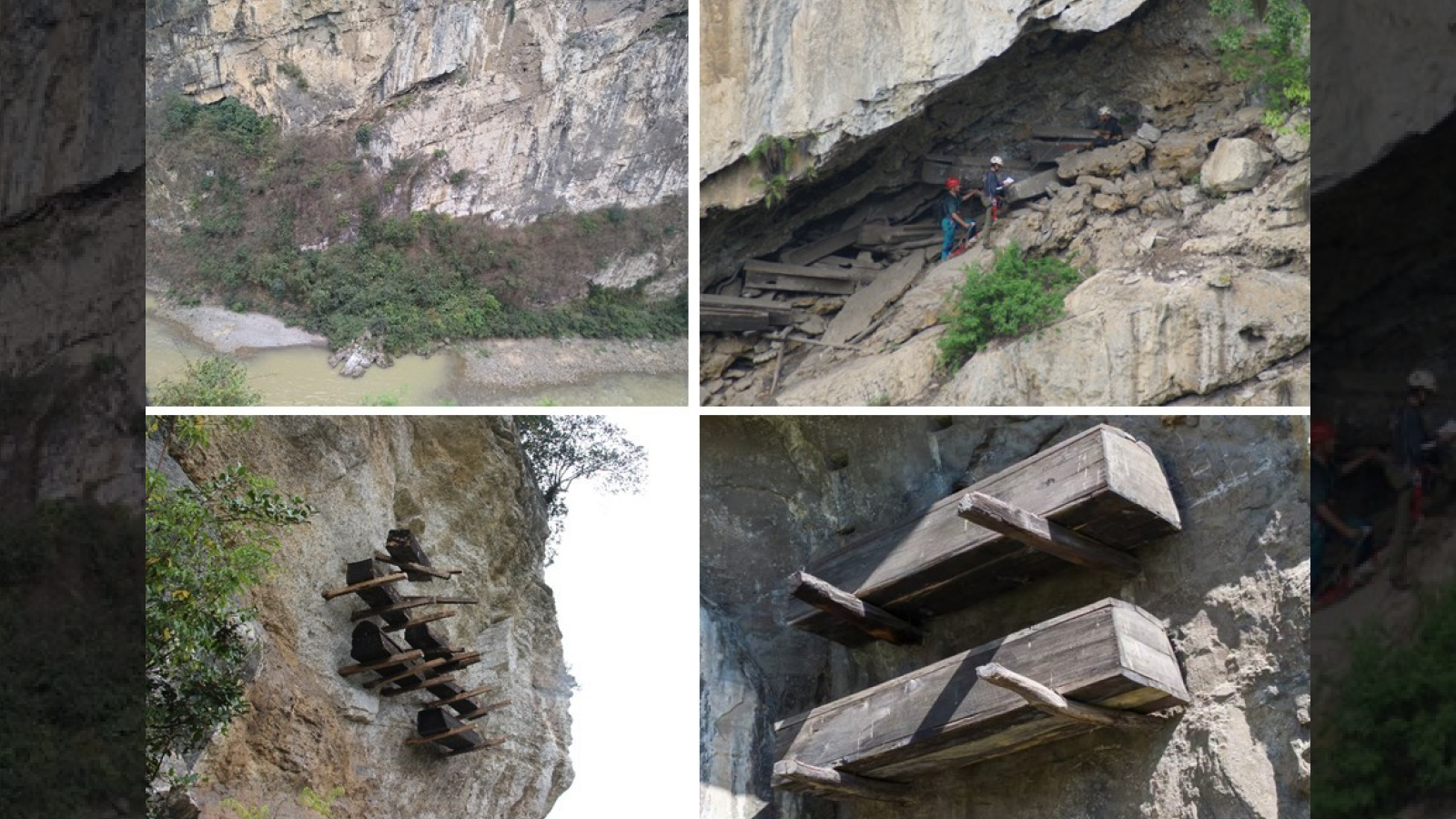 Ancient 'hanging coffin' people in China finally identified — and their descendants still live there today
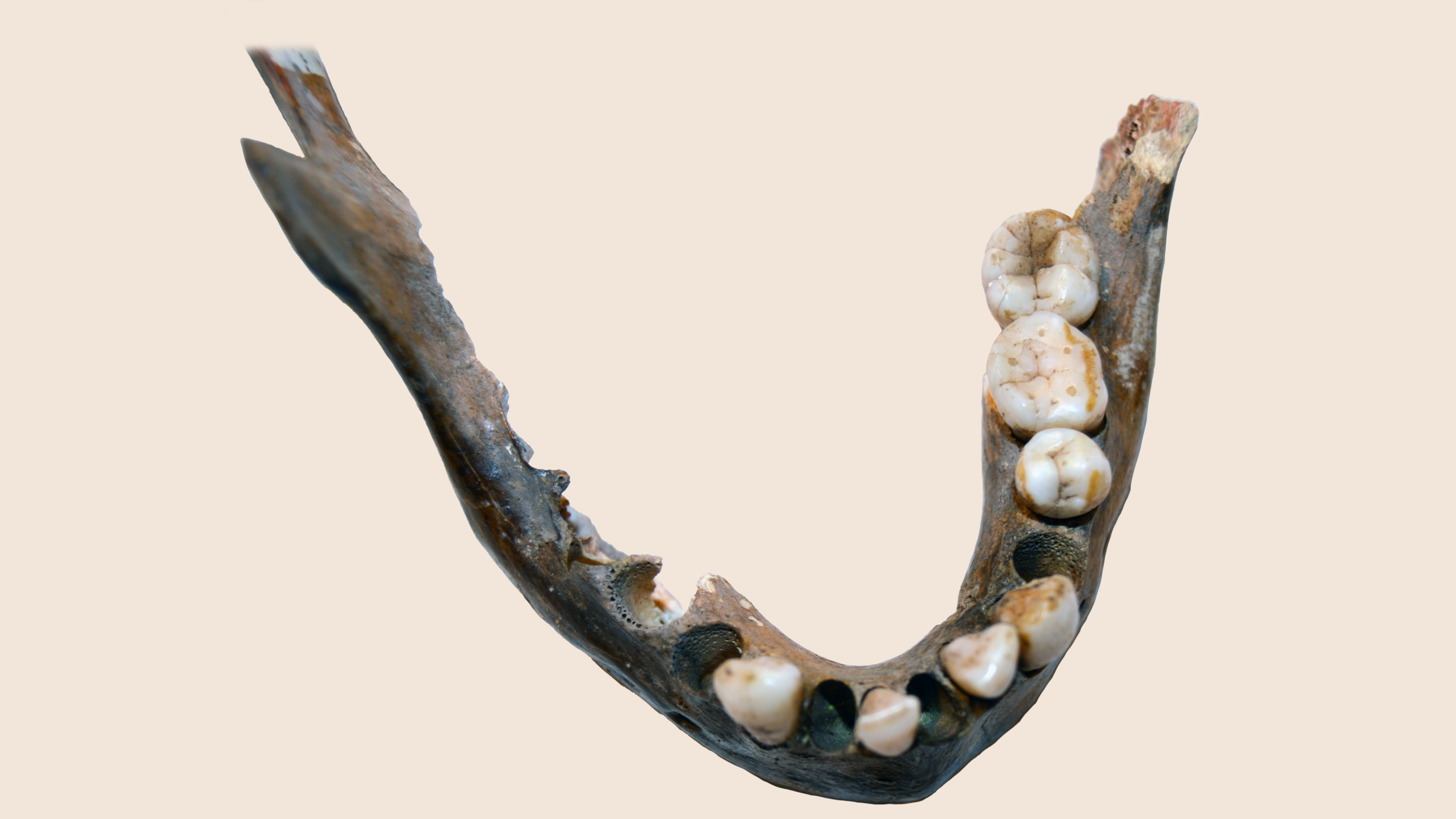 'An extreme end of human genetic variation': Ancient humans were isolated in southern Africa for nearly 100,000 years, and their genetics are stunningly different
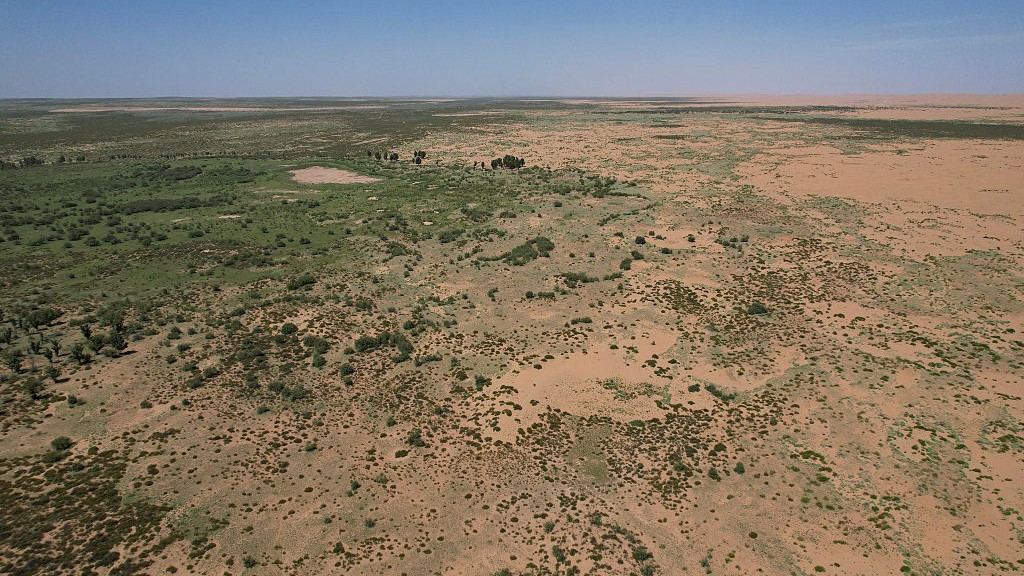 China has planted so many trees it's changed the entire country's water distribution
LATEST ARTICLES
China has planted so many trees it's changed the entire country's water distribution
LATEST ARTICLES- 1Collapse of key Atlantic current could bring extreme drought to Europe for hundreds of years, study finds
- 2MIT invention uses ultrasound to shake drinking water out of the air, even in dry regions
- 3Giant rotating string of 14 galaxies is 'probably the largest spinning object' in the known universe
- 4Ancient 'hanging coffin' people in China finally identified — and their descendants still live there today
- 5'An extreme end of human genetic variation': Ancient humans were isolated in southern Africa for nearly 100,000 years, and their genetics are stunningly different