- Health
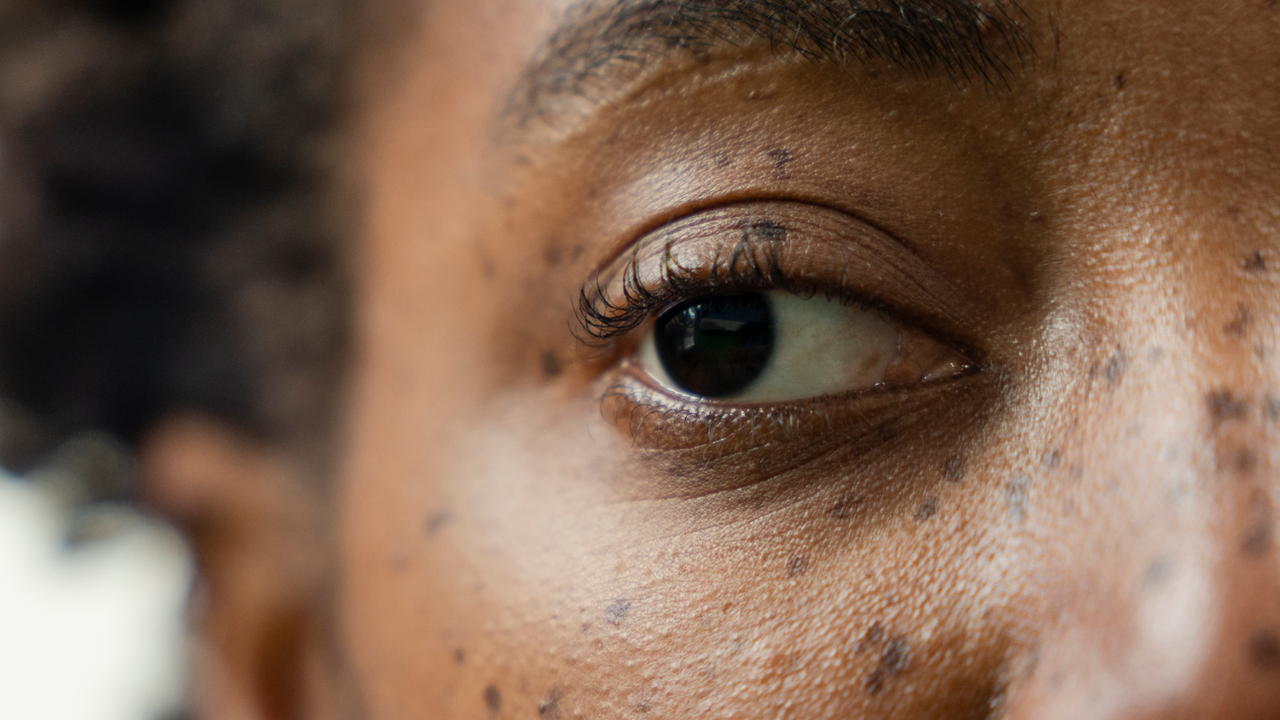
Temporarily shutting down a "lazy eye" triggers a burst of neuronal activity that reverses the condition in animal experiments, a study shows.
0 Comments Join the conversationWhen you purchase through links on our site, we may earn an affiliate commission. Here’s how it works.
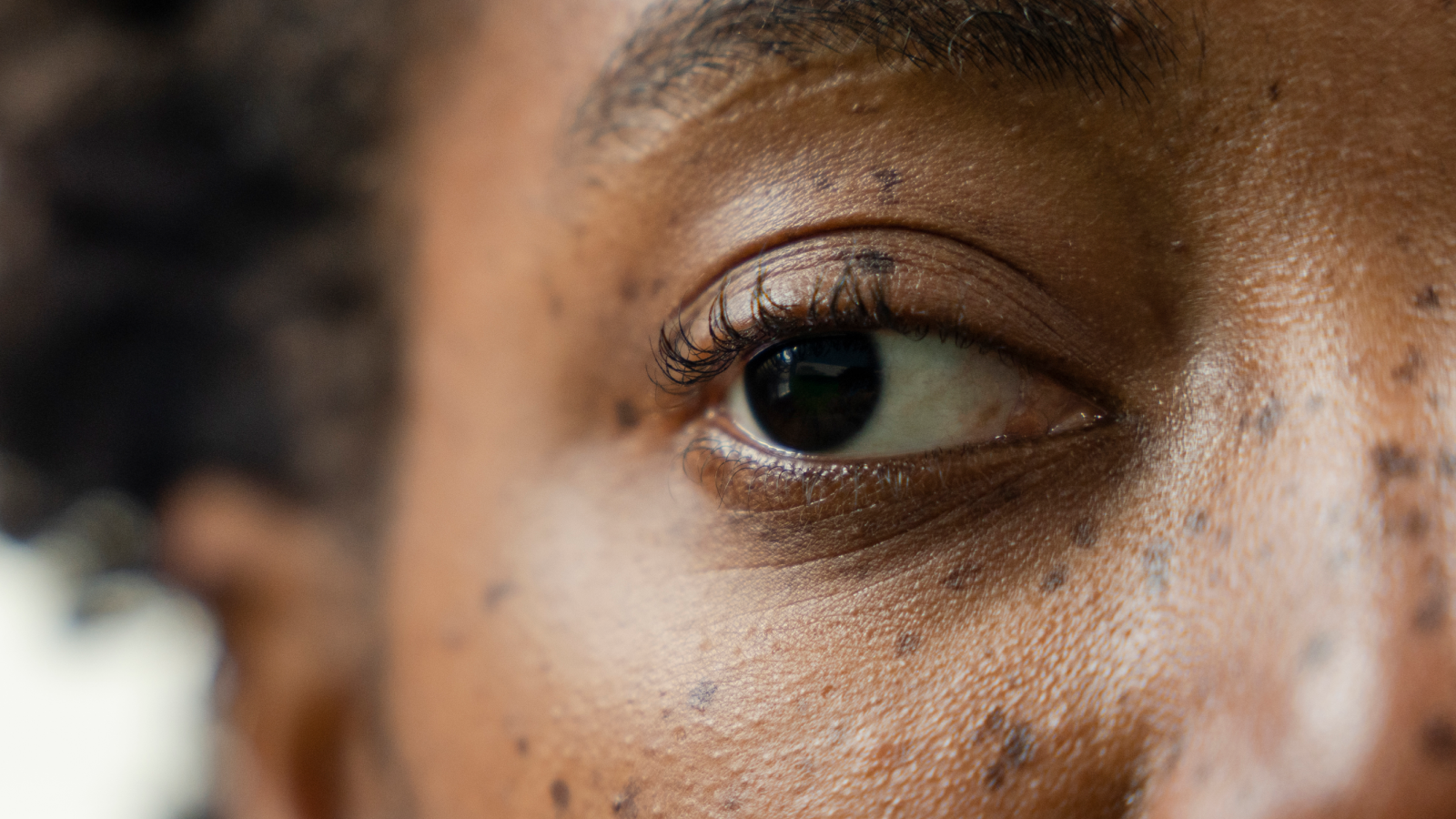 Studies in animals hint that "rebooting" the retina of a lazy eye can help correct it. Research still needs to be done with human patients.
(Image credit: Cultura Creative/Getty Images)
Studies in animals hint that "rebooting" the retina of a lazy eye can help correct it. Research still needs to be done with human patients.
(Image credit: Cultura Creative/Getty Images)
Researchers think they may have found a way to reverse "lazy eye," even in adults who've typically had the condition since childhood.
The technique has so far been tested only in animals, though, so it needs further study before it can be used in human patients.
You may like-
 New eye implants combined with augmented-reality glasses help blind people read again in small trial
-
 'As if a shudder ran from its brain to its body': The neuroscientists that learned to control memories in rodents
-
 Doctors restore a man's vision by removing his tooth and implanting it in his eye
Now, a mouse study published Nov. 25 in the journal Cell Reports introduces a method for temporarily shutting down the weak eye, which can lead to recovery from amblyopia, even after long-term vision issues. "Rebooting" the lazy eye seems to come from a burst of activity in neurons that pass visual signals from the retina to the visual cortex, a hub for processing visual information in the brain.
"The finding that inactivation of the amblyopic eye enables vision recovery in a mouse model of amblyopia is encouraging," said Ben Thompson, a professor and the director of the School of Optometry and Vision Science at the University of Waterloo in Canada, who was not involved in the study.
But more research is needed to see whether the method will be safe and effective in humans, too, Thompson told Live Science in an email.
Dr. Dennis Levi, a professor of optometry and vision science at the University of California, Berkeley who was not involved in the study, was also cautiously optimistic about the findings. Historically, scientists have tried various methods of reversing lazy eye in mice, but they "failed to produce significant improvements in humans with amblyopia," he told Live Science in an email. But this new technique seems to hold promise.
Sign up for the Live Science daily newsletter nowContact me with news and offers from other Future brandsReceive email from us on behalf of our trusted partners or sponsorsBy submitting your information you agree to the Terms & Conditions and Privacy Policy and are aged 16 or over.So, how might temporarily shutting down the weak eye help to restore its vision?
Earlier work from MIT neuroscientist Mark Bear and colleagues showed that anesthetizing the non-lazy eye triggered visual recovery in the lazy eye in older animals, including cats and mice. Similar results have been found in monkeys, which may spell good news for humans, Levi noted.
In the new study, the team hypothesized that blocking input from one retina causes neurons to fire in synchronized bursts in the thalamus, a part of the brain that handles incoming sensory information. Specifically, these bursts are seen in the lateral geniculate nucleus (LGN), part of the brain that relays information from the eyes to the visual cortex.
You may like-
New eye implants combined with augmented-reality glasses help blind people read again in small trial
-
'As if a shudder ran from its brain to its body': The neuroscientists that learned to control memories in rodents
-
Doctors restore a man's vision by removing his tooth and implanting it in his eye
Similar bursts happen in the LGN before birth and help the visual system develop in the womb. That led the team to wonder whether re-creating this early activity pattern could help treat amblyopia.
They tried injecting a local anesthetic called tetrodotoxin (TTX) into the retinas of mice and then monitored the rodents' LGN neurons. TTX is a neurotoxin found in animals like pufferfish, but it also has potential therapeutic uses, including anesthesia and the treatment of severe pain. Research into these uses in humans is ongoing, but in the context of this study, TTX was useful for rebooting the retinas of mice.
The researchers found that shutting down either eye triggered the same burst pattern in the LGN. In a second experiment, they genetically modified the mice so their LGN neurons couldn't produce this burst firing. The activity stopped, and the anesthetic treatment no longer improved amblyopia. That showed that the bursts themselves were crucial for recovery.
Next, the team tested whether they could treat amblyopia by inactivating only the weak eye. They ran an experiment in which some mice with amblyopia got an injection in their weak eye while others did not. The injection stopped the retina from sending signals for about two days.
RELATED STORIES—How do our eyes move in perfect synchrony?
—Scientists hijacked the human eye to get it to see a brand-new color. It's called 'olo.'
—Lab-made mini brains grow their own sets of 'eyes'
A week after the injection, the scientists measured how much each eye influenced activity in the visual cortex and found that the treated mice had a much more balanced input from both eyes than the untreated mice did. This showed that shutting down the weak eye for a short time helped it "catch up" with the other eye.
Thompson said this result is encouraging "because the fellow eye does not have to be exposed to any risks of the treatment." But he emphasized that "more work is needed to assess whether tetrodotoxin will be safe and effective in humans."
Previous studies suggest that the effects of TTX on amblyopia generalize to cats and monkeys, raising hope that the approach may one day help humans as well.
The discovery that burst firing can help boost the brain's ability to rewire and form new networks is "extremely interesting," Thompson said. Noninvasive tools used to stimulate the brain might eventually be harnessed to trigger similar neural responses, without the need for TTX injections, he added.
DisclaimerThis article is for informational purposes only and is not meant to offer medical advice.
 Clarissa BrincatLive Science Contributor
Clarissa Brincat is a freelance writer specializing in health and medical research. After completing an MSc in chemistry, she realized she would rather write about science than do it. She learned how to edit scientific papers in a stint as a chemistry copyeditor, before moving on to a medical writer role at a healthcare company. Writing for doctors and experts has its rewards, but Clarissa wanted to communicate with a wider audience, which naturally led her to freelance health and science writing. Her work has also appeared in Medscape, HealthCentral and Medical News Today.
You must confirm your public display name before commenting
Please logout and then login again, you will then be prompted to enter your display name.
Logout Read more New eye implants combined with augmented-reality glasses help blind people read again in small trial
 'As if a shudder ran from its brain to its body': The neuroscientists that learned to control memories in rodents
 Doctors restore a man's vision by removing his tooth and implanting it in his eye
 'Groundbreaking' gene therapy is first treatment for Huntington's disease to slow the condition
 Scientists create ultrapowerful, squishy robotic 'eye' that focuses automatically and doesn't need a power source
 'Chemo brain' may stem from damage to the brain's drainage system
Latest in Health
'Chemo brain' may stem from damage to the brain's drainage system
Latest in Health
 A woman got a rare parasitic lung infection after eating raw frogs
 Hurry, this germ-busting air purifier is still $210 off this Cyber Monday
 Last chance to snap up the Oura Ring Gen 4 at its lowest-ever price
 Lowest prices ever on the Apple Ultra 2, Apple Watch Series 10 and Apple Watch SE smart watches for Cyber Monday
 Cyber Monday deal on "world-class fitness tracker", the Garmin Forerunner 970 smartwatch just hit a best-ever price on Black Friday weekend
 This premium Garmin smartwatch just got discounted for the first time
Latest in News
Injecting anesthetic into a 'lazy eye' may correct it, early study suggests
This premium Garmin smartwatch just got discounted for the first time
Latest in News
Injecting anesthetic into a 'lazy eye' may correct it, early study suggests
 Volcanic eruption triggered 'butterfly effect' that led to the Black Death, researchers find
 18,000 dinosaur tracks discovered along ancient Bolivian coastline — and they set a new record
 Collapse of key Atlantic current could bring extreme drought to Europe for hundreds of years, study finds
 Giant rotating string of 14 galaxies is 'probably the largest spinning object' in the known universe
 Ancient 'hanging coffin' people in China finally identified — and their descendants still live there today
LATEST ARTICLES
Ancient 'hanging coffin' people in China finally identified — and their descendants still live there today
LATEST ARTICLES- 1Volcanic eruption triggered 'butterfly effect' that led to the Black Death, researchers find
- 218,000 dinosaur tracks discovered along ancient Bolivian coastline — and they set a new record
- 3Collapse of key Atlantic current could bring extreme drought to Europe for hundreds of years, study finds
- 4MIT invention uses ultrasound to shake drinking water out of the air, even in dry regions
- 5Giant rotating string of 14 galaxies is 'probably the largest spinning object' in the known universe