
- Space
- Astronomy
- Meteoroids
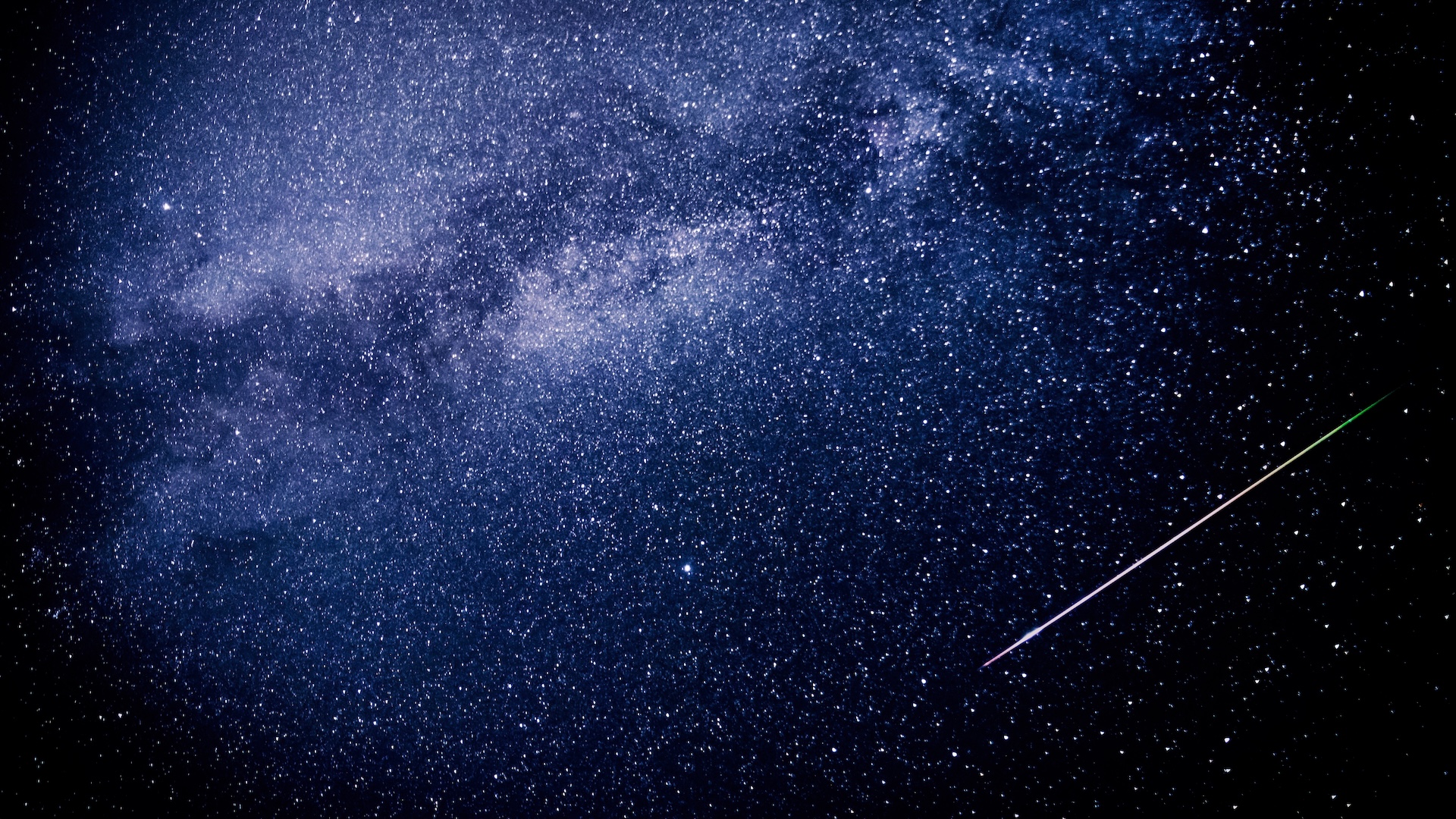
The Geminid meteor shower has begun. The Geminids peak overnight on Dec. 13 and 14, when up to 150 "shooting stars" per hour will rain down on Earth in a moonless night sky.
0 Comments Join the conversationWhen you purchase through links on our site, we may earn an affiliate commission. Here’s how it works.
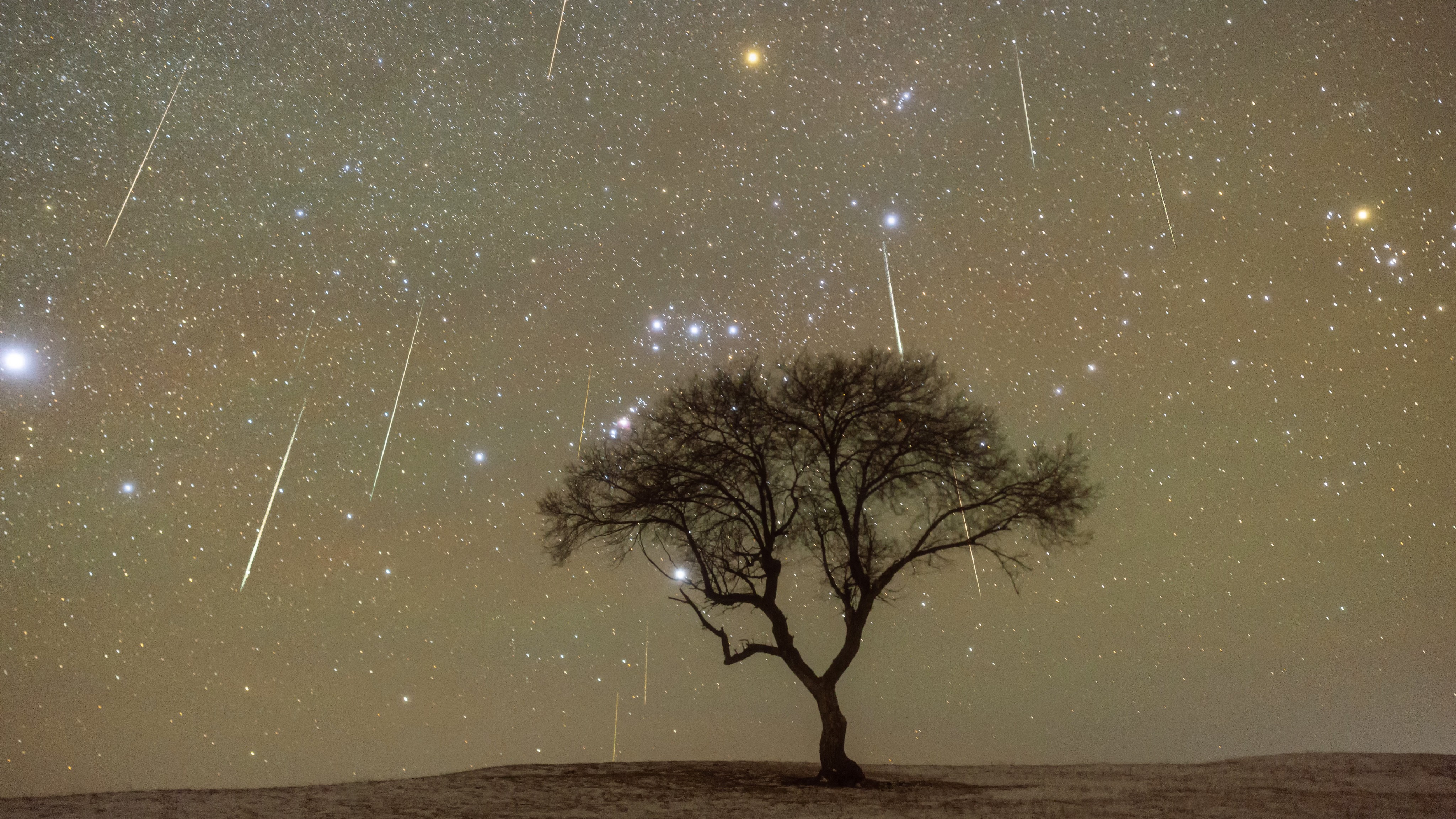 The Geminids are active from Dec. 4 to Dec. 17. As soon the Geminids end, the Ursid meteor shower begins.
(Image credit: Getty Images)
The Geminids are active from Dec. 4 to Dec. 17. As soon the Geminids end, the Ursid meteor shower begins.
(Image credit: Getty Images)
The most prolific meteor shower of the year is about to deliver more "shooting stars" than any other in near-perfect conditions for skywatchers.
The annual Geminid meteor shower starts Thursday (Dec. 4), and remains active for the next two weeks. But this year’s peak will be the night to watch. During the peak of the Geminids, on Saturday, Dec. 13 through Sunday, Dec. 14, as many as 150 meteors per hour may be visible in the night sky, and the best views will be from the Northern Hemisphere.
This year, the show will be extra special because the peak night will take place in a dark, mostly moonless sky. A 28%-illuminated waning crescent moon will rise in the east at about 2:30 a.m. local time across the Northern Hemisphere. That's about the same time the radiant point of the Geminids — near the bright stars Castor and Pollux, in the constellation Gemini — rises highest in the sky.
You may like-
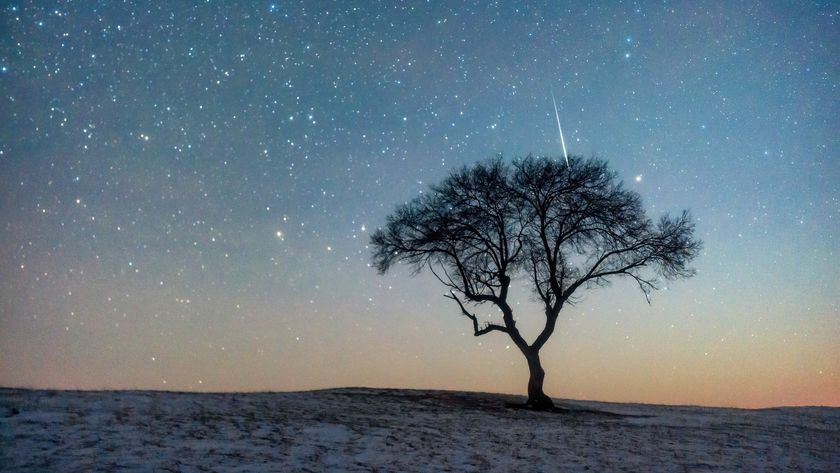 This week's Leonid meteor shower could be one of the best in years. Here's why.
-
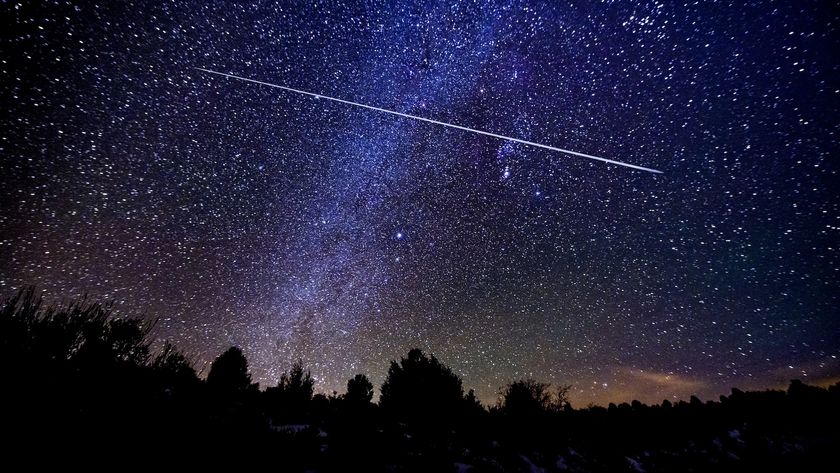 Dramatic 'fireballs' expected during Draconid meteor shower this week: How to get the best views
-
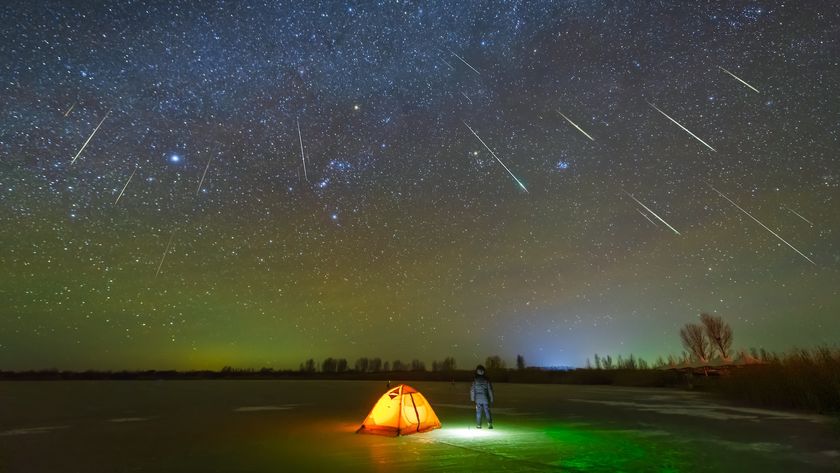 Orionids 2025: Meteor shower caused by Halley's Comet peaks as two new comets cross the sky
For the best views, get as far from artificial lights as possible, and allow about 20 minutes for your eyes to adjust to the darkness. Avoid looking at phone screens, or use red-light mode to preserve your night vision. You don't need to look directly at the radiant point to see meteors; they can appear anywhere overhead. Meteor showers are best viewed with the naked eye; no skywatching binoculars or backyard telescopes are necessary, though they will help you get the best views of the year’s last supermoon.
Sign up for the Live Science daily newsletter nowContact me with news and offers from other Future brandsReceive email from us on behalf of our trusted partners or sponsorsBy submitting your information you agree to the Terms & Conditions and Privacy Policy and are aged 16 or over.related stories—What are the mysterious lights sometimes seen on the moon?
—Solar wind might be making water on the moon, groundbreaking NASA study reveals
—Apollo astronauts discovered the moon is covered in tiny orange glass beads. Now we finally know why.
Although the rates of "shooting stars" from the Geminids will quickly reduce after the peak night, the meteor shower will be active through Dec. 17. That same night marks the beginning of the less-impressive Ursid meteor shower, which will produce around 10 meteors per hour on its peak night of Dec. 21-22.
Although they're not as strong as the Geminids, the Ursids will occur in the completely dark skies of a new moon. These back-to-back meteor showers are a fine way to round out the year’s stargazing.
 Jamie CarterSocial Links NavigationLive Science contributor
Jamie Carter is a freelance journalist and regular Live Science contributor based in Cardiff, U.K. He is the author of A Stargazing Program For Beginners and lectures on astronomy and the natural world. Jamie regularly writes for Space.com, TechRadar.com, Forbes Science, BBC Wildlife magazine and Scientific American, and many others. He edits WhenIsTheNextEclipse.com.
You must confirm your public display name before commenting
Please logout and then login again, you will then be prompted to enter your display name.
Logout Read more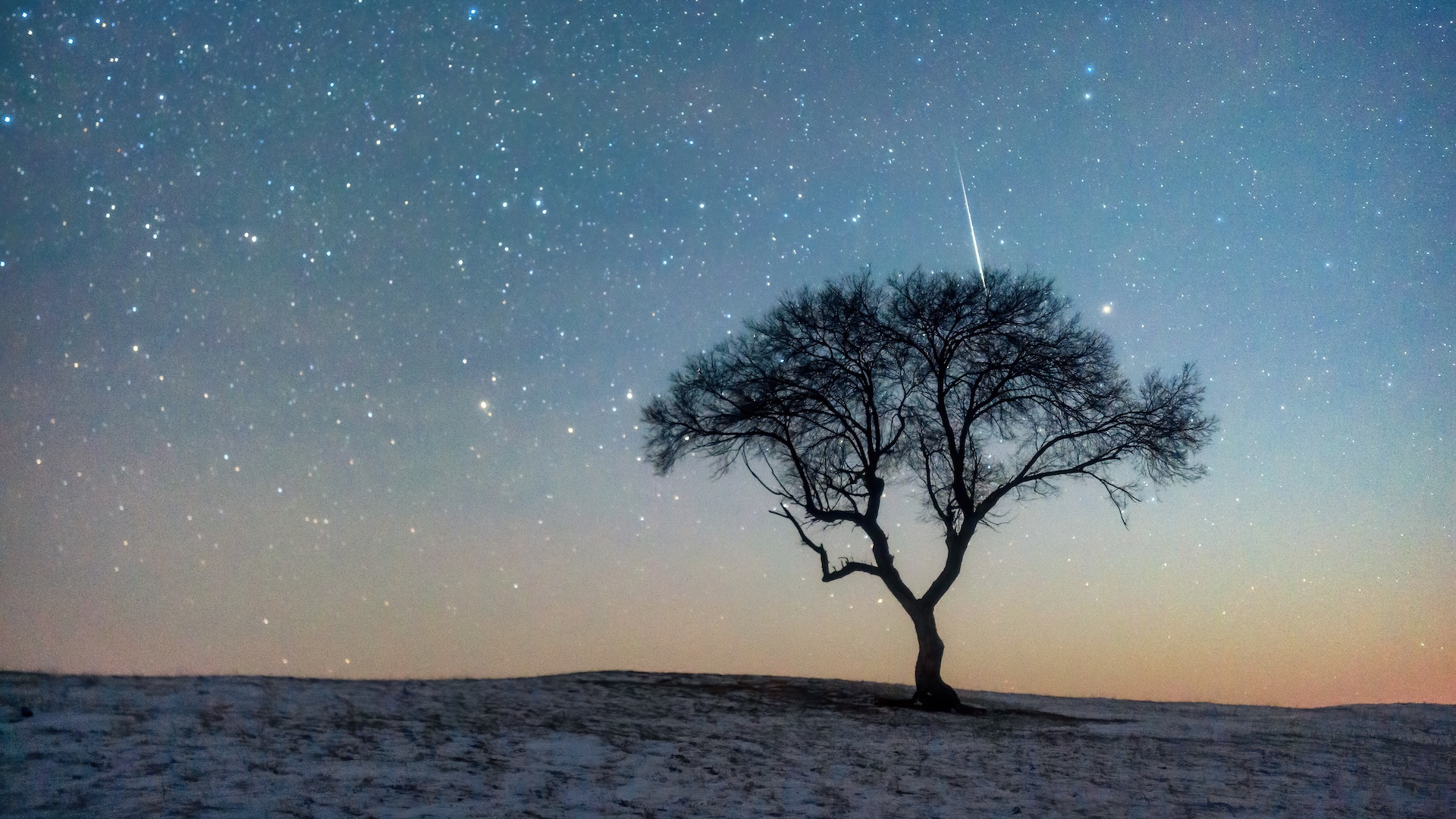 This week's Leonid meteor shower could be one of the best in years. Here's why.
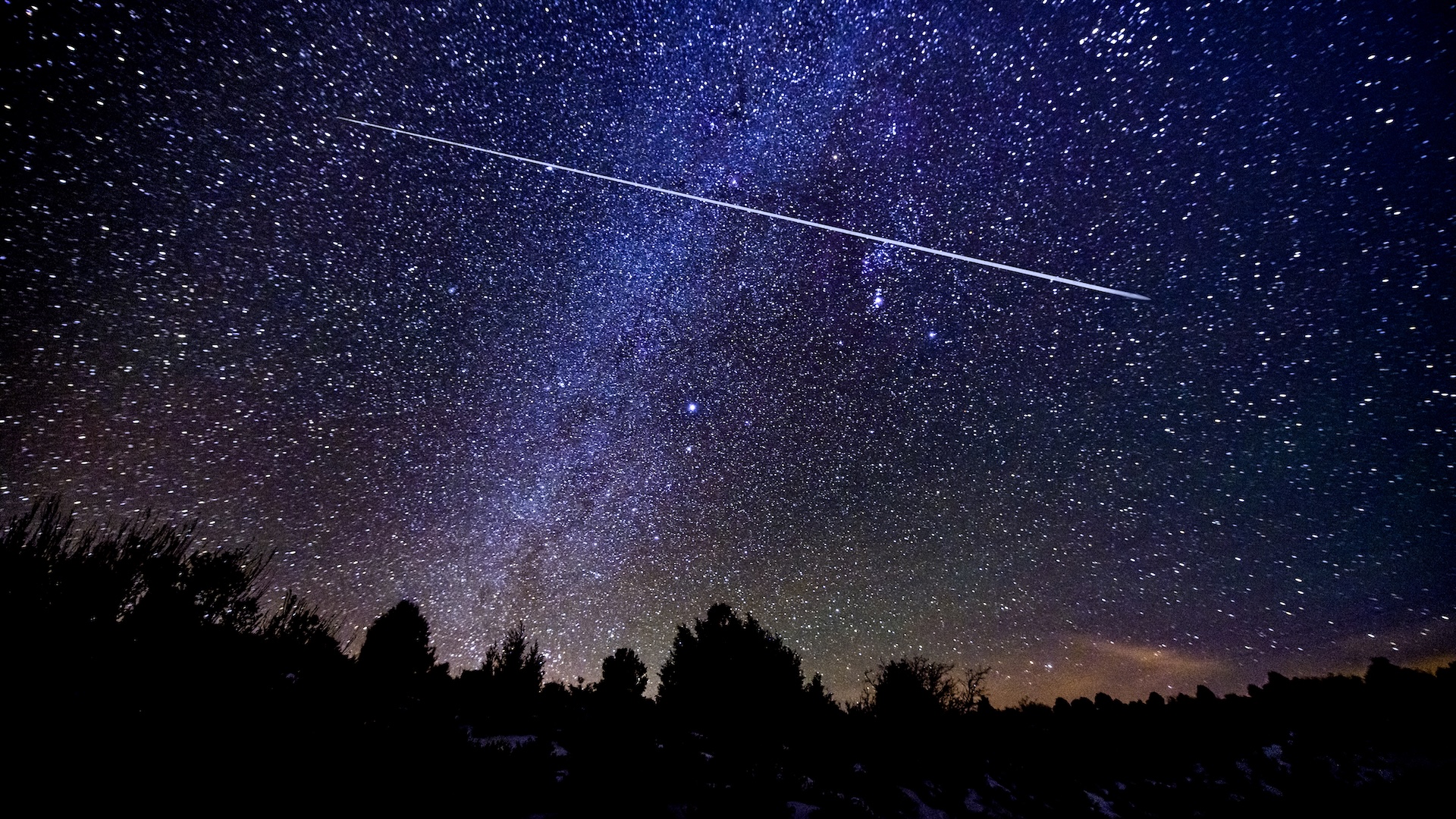 Dramatic 'fireballs' expected during Draconid meteor shower this week: How to get the best views
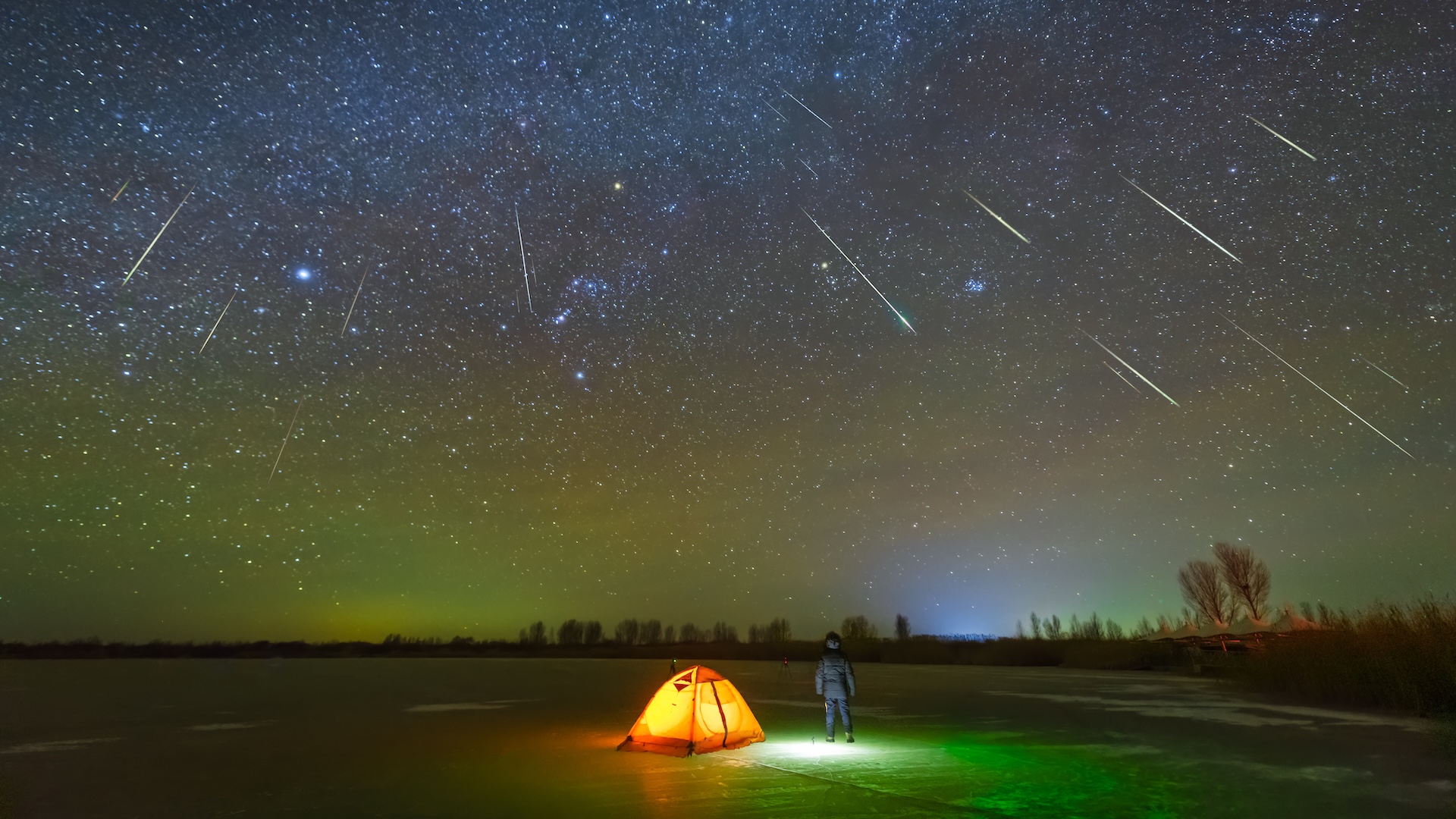 Orionids 2025: Meteor shower caused by Halley's Comet peaks as two new comets cross the sky
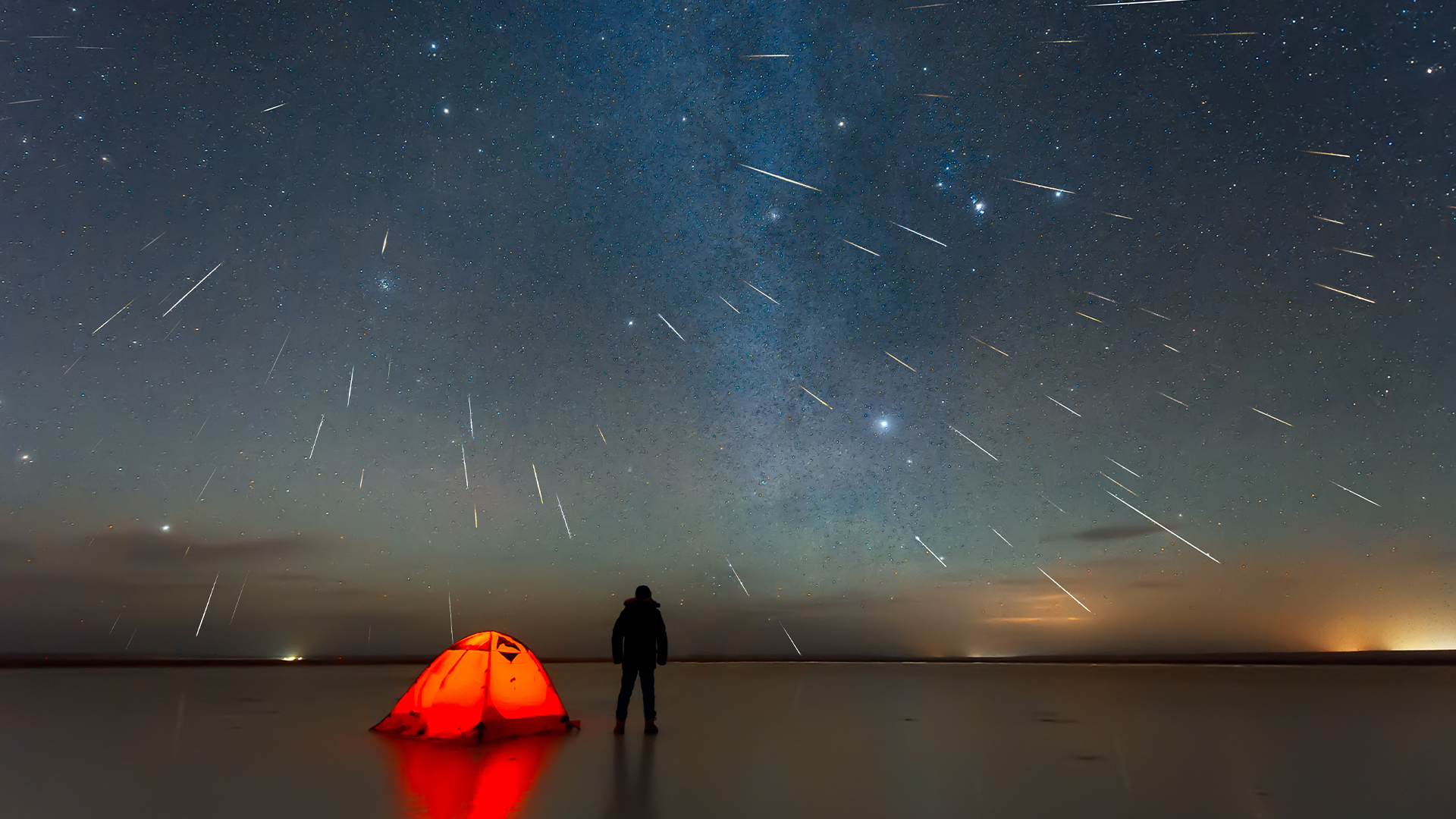 How to photograph a meteor shower — Next up: The Geminids
 Skywatching alert! See 2 bright comets on the same night as a meteor shower this October
 Comets Lemmon and SWAN reach their brightest this week
Latest in Meteoroids
Comets Lemmon and SWAN reach their brightest this week
Latest in Meteoroids
 100,000 mph 'comet fragment' explodes in green fireball over Great Lakes, eerie videos show
This week's Leonid meteor shower could be one of the best in years. Here's why.
Orionids 2025: Meteor shower caused by Halley's Comet peaks as two new comets cross the sky
Dramatic 'fireballs' expected during Draconid meteor shower this week: How to get the best views
100,000 mph 'comet fragment' explodes in green fireball over Great Lakes, eerie videos show
This week's Leonid meteor shower could be one of the best in years. Here's why.
Orionids 2025: Meteor shower caused by Halley's Comet peaks as two new comets cross the sky
Dramatic 'fireballs' expected during Draconid meteor shower this week: How to get the best views
 Meteorite that crash landed through Georgia man's roof is 20 million years older than Earth, scientists say
 Perseid meteor shower 2025: How to see 'shooting stars' despite the full moon
Latest in News
Geminids 2025: The year's best meteor shower is coming, with a second shower hot on its tail
Perseid meteor shower 2025: How to see 'shooting stars' despite the full moon
Latest in News
Geminids 2025: The year's best meteor shower is coming, with a second shower hot on its tail
 Injecting anesthetic into a 'lazy eye' may correct it, early study suggests
 Volcanic eruption triggered 'butterfly effect' that led to the Black Death, researchers find
 18,000 dinosaur tracks discovered along ancient Bolivian coastline — and they set a new record
 Collapse of key Atlantic current could bring extreme drought to Europe for hundreds of years, study finds
 Giant rotating string of 14 galaxies is 'probably the largest spinning object' in the known universe
LATEST ARTICLES
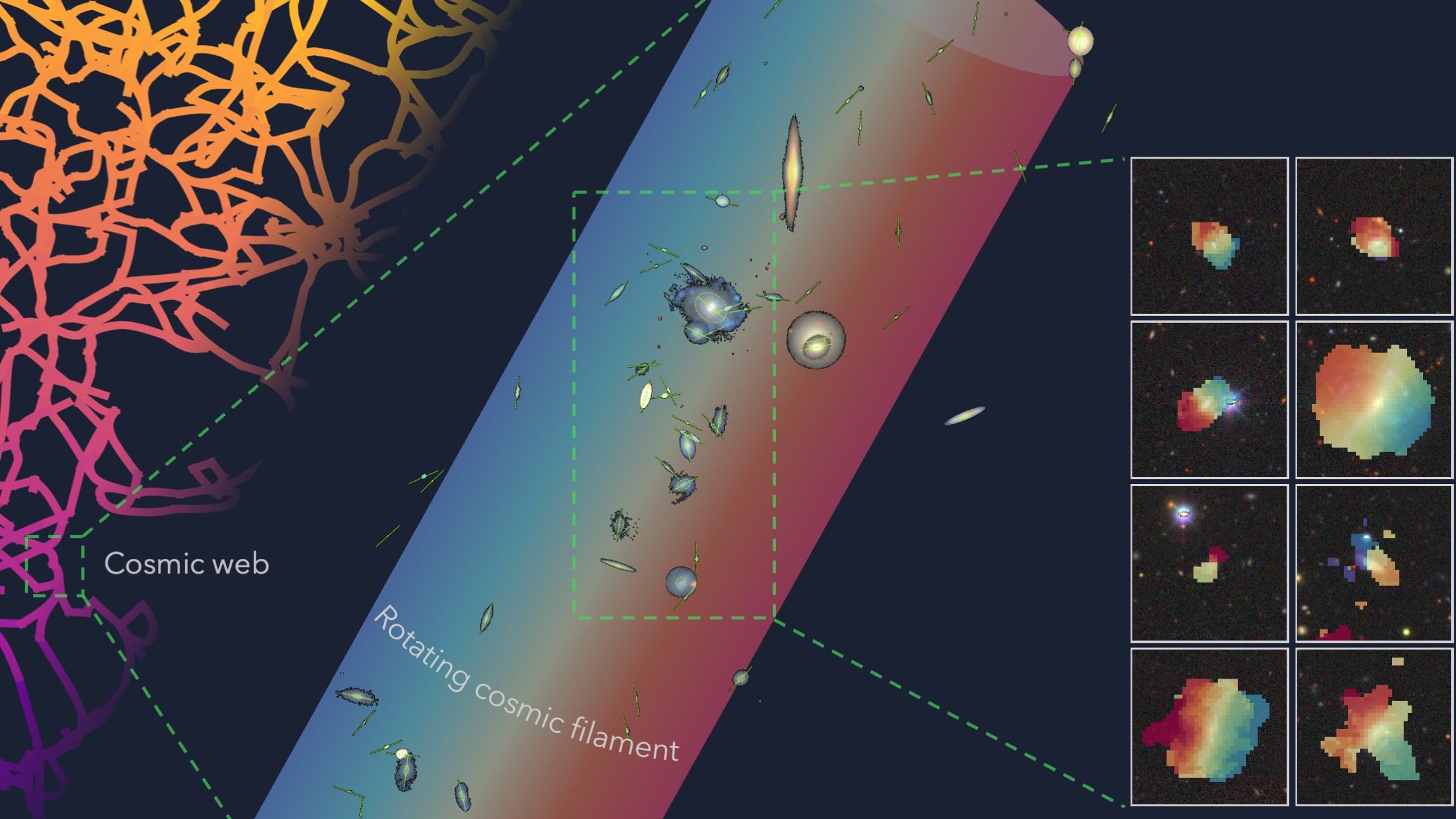
Giant rotating string of 14 galaxies is 'probably the largest spinning object' in the known universe
LATEST ARTICLES- 1Injecting anesthetic into a 'lazy eye' may correct it, early study suggests
- 2Volcanic eruption triggered 'butterfly effect' that led to the Black Death, researchers find
- 318,000 dinosaur tracks discovered along ancient Bolivian coastline — and they set a new record
- 4Collapse of key Atlantic current could bring extreme drought to Europe for hundreds of years, study finds
- 5MIT invention uses ultrasound to shake drinking water out of the air, even in dry regions