- News
- World
- Americas
- US politics
The president also said he was offering government-backed risk insurance for ships passing through the Gulf region
Josh Marcus in San Francisco Tuesday 03 March 2026 21:39 GMT- Bookmark
- CommentsGo to comments
Bookmark popover
Removed from bookmarks
Close popoverMartin Lewis explains impact of Iran conflict on energy prices
Sign up for the daily Inside Washington email for exclusive US coverage and analysis sent to your inbox
Get our free Inside Washington email
Get our free Inside Washington email
Email*SIGN UPI would like to be emailed about offers, events and updates from The Independent. Read our Privacy notice
The U.S. military could soon begin escorting tankers through the Strait of Hormuz, a key waterway home to a large share of the world’s oil and gas shipping, as the ongoing war with Iran threatens global energy supplies and has sent gas prices spiking in the U.S.
“If necessary, the United States Navy will begin escorting tankers through the Strait of Hormuz, as soon as possible,” President Donald Trump announced on Tuesday on Truth Social. “No matter what, the United States will ensure the FREE FLOW of ENERGY to the WORLD. The United States’ ECONOMIC and MILITARY MIGHT is the GREATEST ON EARTH.”
In his message, the president added that he was ordering the U.S. International Development Finance Corporation, a government agency focused on foreign infrastructure investment, to offer “political risk insurance and guarantees for the Financial Security of ALL Maritime Trade, especially Energy, traveling through the Gulf.”
Earlier this week, Iran threatened to attack any ship crossing the Strait of Hormuz, a crucial waterway that usually facilitates about one-fifth of global seaborne oil deliveries.
"The strait (of Hormuz) is closed. If anyone tries to pass, the heroes of the Revolutionary Guards and the regular navy will set those ships ablaze," Ebrahim Jabari, a senior Iranian military adviser, said in remarks carried by state media.
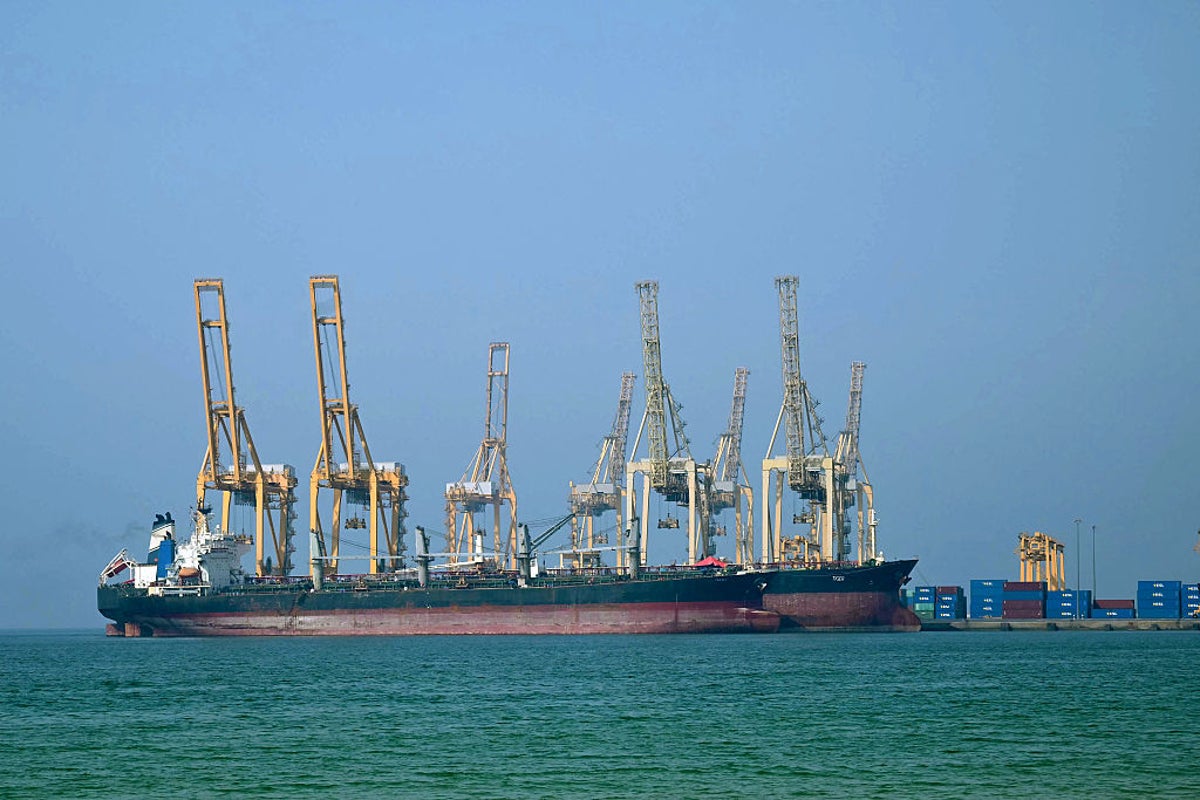
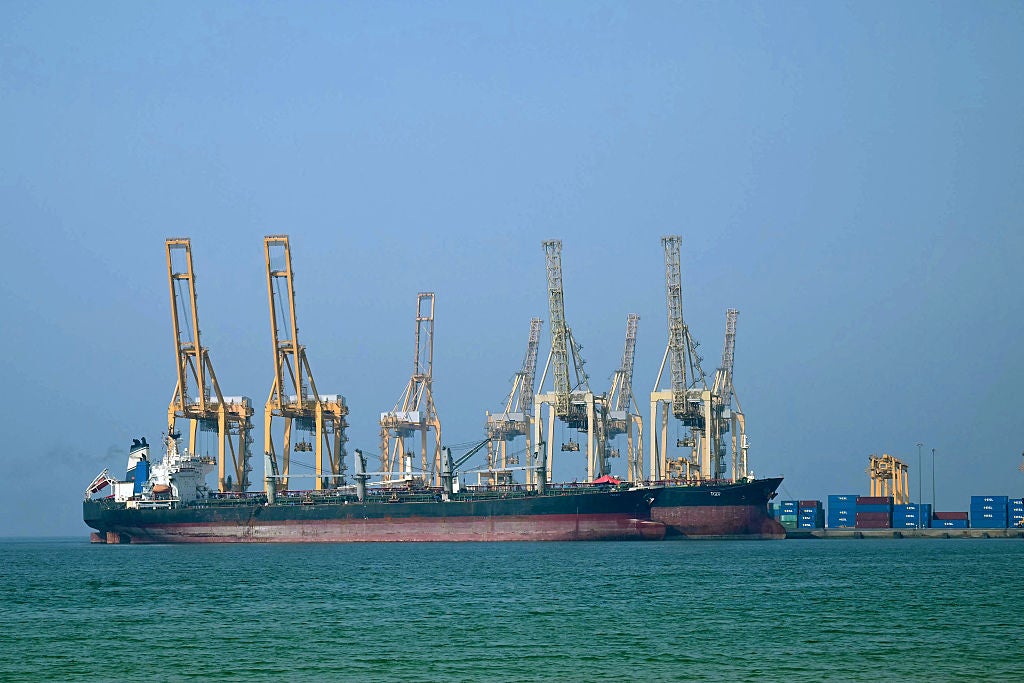 open image in galleryAmid the ongoing war with Iran, President Trump has proposed giving military protection and U.S.-backed insurance to tankers traversing the Strait of Hormuz, a key waterway home to much of the world’s oil trade (AFP/Getty)
This has U.S. leaders alarmed as the conflict, which began on Saturday with a series of American and Israeli strikes, escalates across the region.
“It’s becoming a growing concern that the energy markets could face pressures in the coming days as the military campaign intensifies and expands in geographic scope. Access to the Straits of Hormuz is obviously vital for both natural gas and crude oil shipments, especially from Qatar and Saudi,” a source familiar with U.S. strategic discussions told Politico.
The national average price of gas increased 12 cents a gallon in the U.S. on Monday and could soon climb higher than when Trump took office, a major political liability in a midterm season defined by affordability concerns.
Closer to the frontlines, Iran has attacked Saudi and Qatari energy installations, part of a strategy observers say is designed to widen the war and ratchet up the pain on the global economy to hasten an end to the conflict.
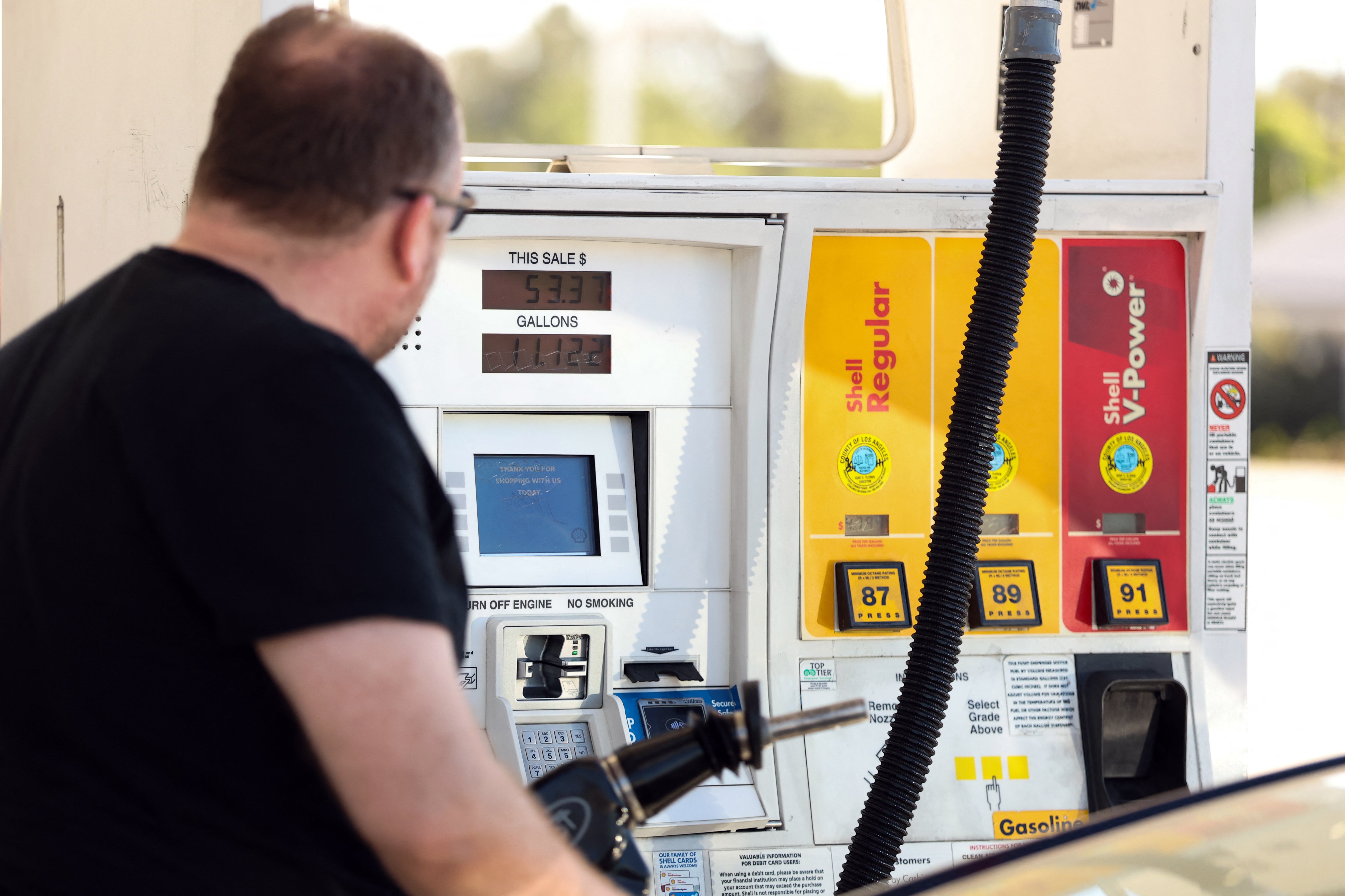 open image in galleryThe national average price of gas jumped 12 cents a gallon in the U.S. on Monday, amid attacks on Gulf oil infrastructure and threats to the Strait of Hormuz (AFP/Getty)
“The war has become a test of wills and stamina,” Vali Nasr of the Johns Hopkins School of Advanced International Studies told The New York Times. “Iran is facing qualitatively superior militaries, so the strategy is to test their will by expanding the battlefield, complicating the war and increasing the danger to the world economy.”
Uncertainty around the conflict extends beyond just economic issues.
Trump has admitted he does not know how long the U.S. attacks on Iran will last and whether someone “as bad” could take over the country after an American strike killed Supreme Leader Ayatollah Ali Khamenei.
Six Americans have been killed in the fighting and Iran has attacked the U.S. embassies in Kuwait and Saudi Arabia.
More about
IranDonald TrumpStrait of HormuzPersian GulfQatarJoin our commenting forum
Join thought-provoking conversations, follow other Independent readers and see their replies
Comments