- Voices
- The Independent View
Editorial: Safeguarding minister Jess Phillips is to be applauded for treating the problem of violence against women and girls with the same seriousness and techniques used to foil terrorism – but still more can be done to control the tech giants who make money out of pushing hatred
Thursday 18 December 2025 21:17 GMT- Bookmark
- CommentsGo to comments
Bookmark popover
Removed from bookmarks
Close popover
 CloseJess Phillips backs Labour plans to tackle the influence of Andrew Tate
Join the Independent Women newsletter with Victoria Richards for a thoughtful take on the week’s headlines
Join the Independent Women newsletter
Join the Independent Women newsletter
Email*SIGN UPI would like to be emailed about offers, events and updates from The Independent. Read our Privacy notice
The government is right. For far too long, violence against women and girls has not been treated with the seriousness it deserves. That has long been a scandal – but if anything, the situation is deteriorating further.
Over more than a century, emancipation, breakthroughs in equal rights, changes to abortion laws, generally more enlightened opinions, and, lately, the MeToo movement have in fact camouflaged a persistent problem and encouraged complacency. There is no room for that any longer.
Now, with the sheer tide of vile material online and increasing signs of toxic masculinity perverting the behaviour of today’s boys and young men, there is more than ever a need for concerted action across all public authorities to deal with such violence that does occur – but also to support parents and teachers, on the front line of this struggle, to prevent dangerous attitudes and habits becoming entrenched from an early age.
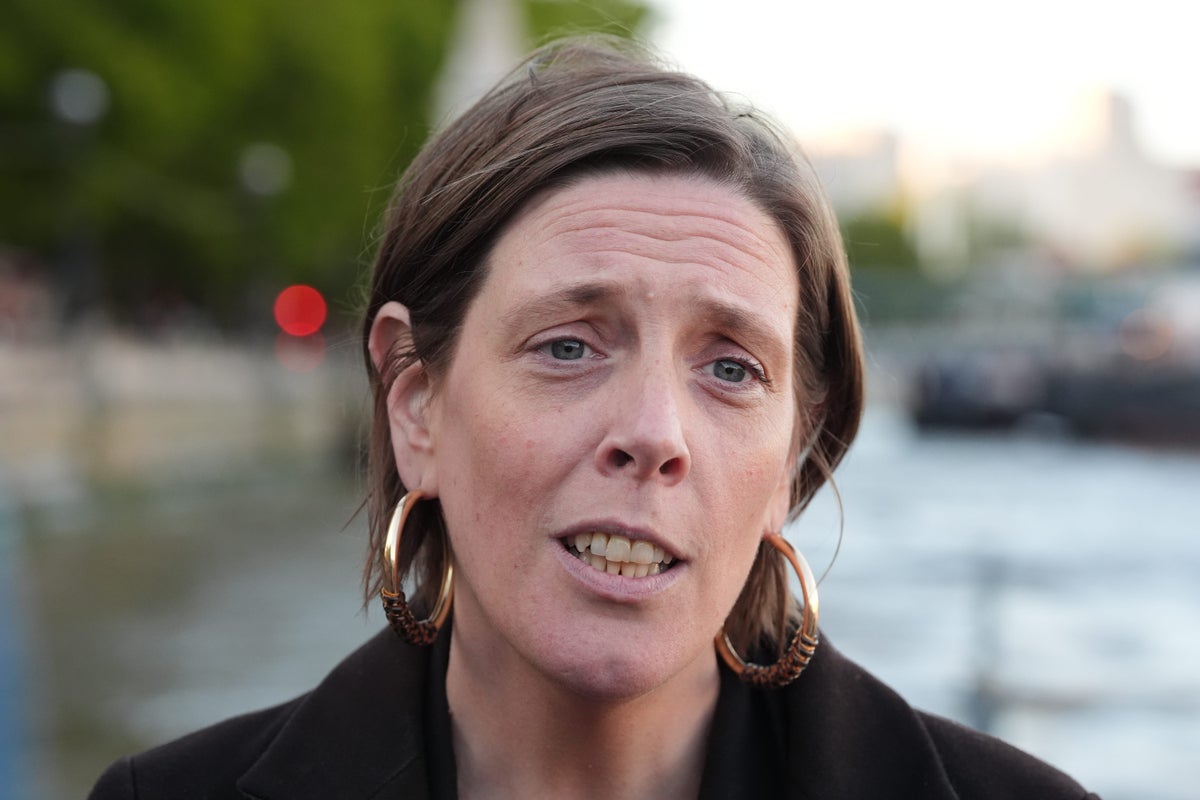
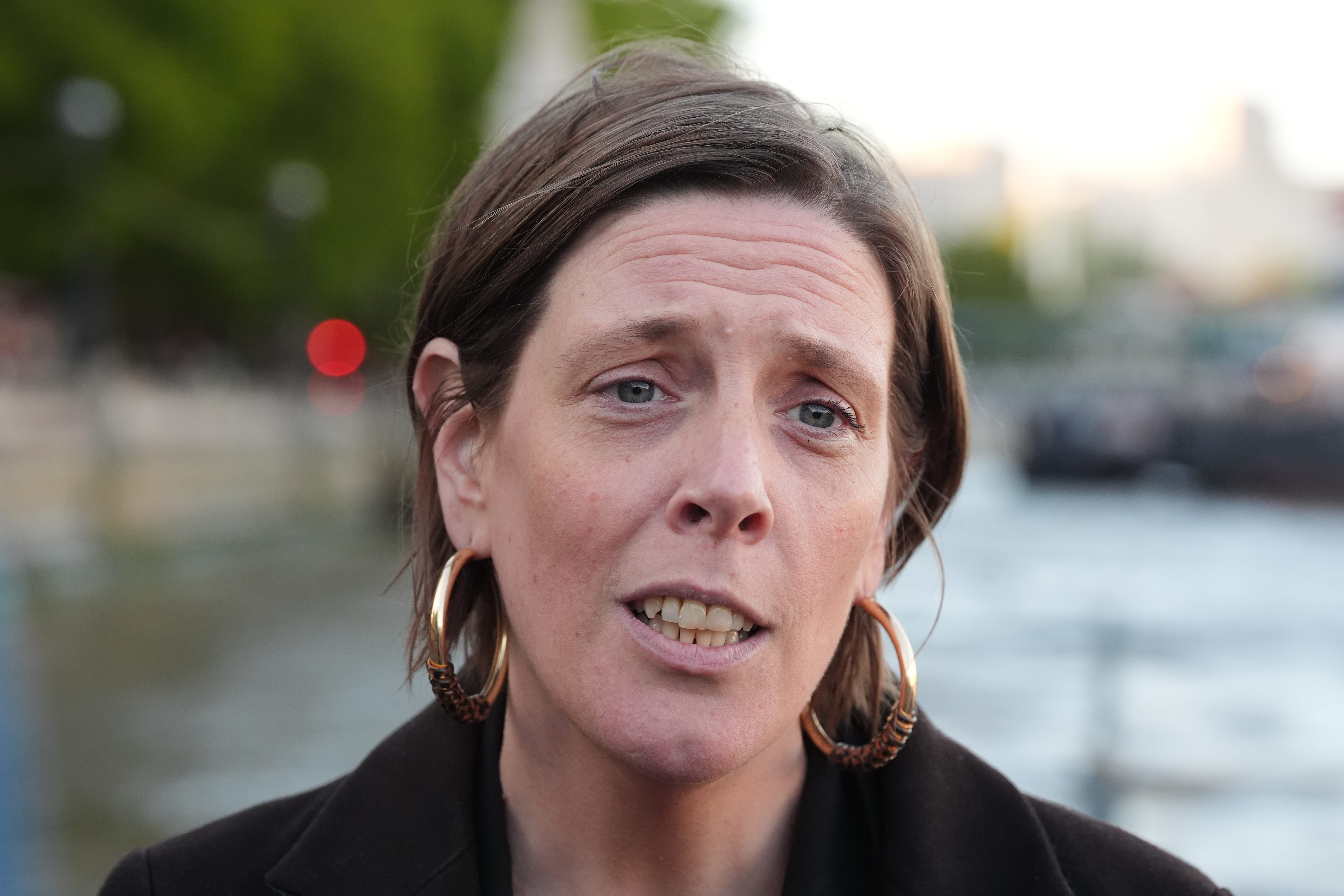 Jess Phillips, the safeguarding minister (PA)
No one believes this task will be easy, but Jess Phillips, the safeguarding minister and no stranger herself to misogynistic abuse, is right to declare it a “national emergency”. She and her colleagues appear determined to treat the challenge with the same seriousness and techniques that have been deployed, with some success, against terrorism. The government’s aim, to halve violence against women and girls over the next 10 years or so, is rightly ambitious.
The focus on the prevention of the radicalisation of boys and adolescents is especially encouraging. This is where the trouble starts: online, where the attitudes of self-consciously macho individuals can badly influence young minds.
The task is to assist teachers and parents in preventing boys and men from becoming abusers in the first place. That means dealing with micro-aggressions against females as well as a rising scale of abusive behaviour – the taking or manipulation of images, in effect for sexual gratification and blackmail, “banter” that is anything but, harassment and, eventually, outright aggression and assaults.
Any tendencies towards these behaviours are aggravated by online material, such as violent pornography, and a resurgence in the portrayal of women as inferior beings – virtual domestic slaves and sexual objects.
One relatively new phenomenon, for example, is the use of “nudification” software tools, which enable users to strip clothes and produce intimate images without the consent of those falsely depicted. The government is to ban these, but much more needs to be done to control the tech giants who make so much money out of pushing hatred and violence.
The Online Safety Act, passed in 2023, is already out of date, as users, including digitally savvy young people, find ways to evade the safeguards. The police will be able to monitor domestic abusers, to help prevent reoffending, by using the same powers that they have to track down child sex abusers.
No grooming gang should be able to operate freely any more than a terrorist cell would be – and the security services should be deployed to help the police arrest such perpetrators and remove them from the community. The rights of women and girls, whether victims or potential victims, have to be put before any other.
Such is the speed of this cat-and-mouse game that the law needs to be reinforced on an annual basis, just to keep up with new technology and the endless ingenuity of criminals. It will certainly be interesting to see what success Australia has in its social media ban for under-16s.
Resources are always scarce, but it’s also right that, within tight spending constraints, more money is being found to deal with such abuse that does occur, despite renewed efforts to prevent it. Some £1bn is to be devoted to victims’ welfare, with half of that to be spent on providing safe housing for victims of abuse as they escape their abusers (such as the safe havens provided by The Independent’s successful Brick by Brick campaign earlier this year).
Relatively modest, inexpensive reforms can also make a big difference. The new specialist rape and sexual offences teams in every police force will ensure that cases aren’t neglected and counter any misogynistic tendencies in the constabularies (something that was so sickeningly highlighted in the murder of Sarah Everard). Fast-tracking rape cases through more specialist courts will improve conviction rates by making the agonies of victims that much shorter to bear.
There is so much work to do in pushing back violence against women and girls, and what Labour calls “our landmark mission” to cut it in half is extremely daunting. But that is no reason not to take the next steps, and all the more reason to empower parents, carers and teachers to do what they know needs to be done. This is a progressive cause in every sense of the term.
More about
LabourJess PhillipsViolencewomenGirlsAndrew TateJoin our commenting forum
Join thought-provoking conversations, follow other Independent readers and see their replies
Comments