
- Tech
Over the past few years, Silicon Valley's AI blitz has created skyrocketing demand for high-end computation in vast dedicated data centers
Io Dodds in San Francisco Friday 19 December 2025 01:19 GMT- Bookmark
- CommentsGo to comments
Bookmark popover
Removed from bookmarks
Close popover
 CloseMcDonald's releases AI-generated Christmas commercial
Sign up to our free weekly IndyTech newsletter delivered straight to your inbox
Sign up to our free IndyTech newsletter
Sign up to our free IndyTech newsletter
Email*SIGN UPI would like to be emailed about offers, events and updates from The Independent. Read our Privacy notice
AI running in data centers will likely produce more CO2 this year than many small countries or the entire city of New York, new research suggests.
In a study published on Monday by the peer-reviewed journal Patterns, data scientist Alex de Vries-Gao estimated the carbon emissions from electricity used by AI at between 33 million and 80 million metric tons.
That higher figure would put it above last year's totals for Chile (78m tons), Czechia (78m tons), Romania (71m tons), and New York City (48m tons, including both CO2 and other greenhouse gases).
But de Vries-Gao also warned that there was "significant uncertainty" about these estimates due to the lack of transparency by major AI companies such as Microsoft, Google, and ChatGPT maker OpenAI.
That was especially true for the study's estimate of AI water use — an issue that has driven numerous local and national protests against AI data centers this year (although some experts argue these concerns are exaggerated).
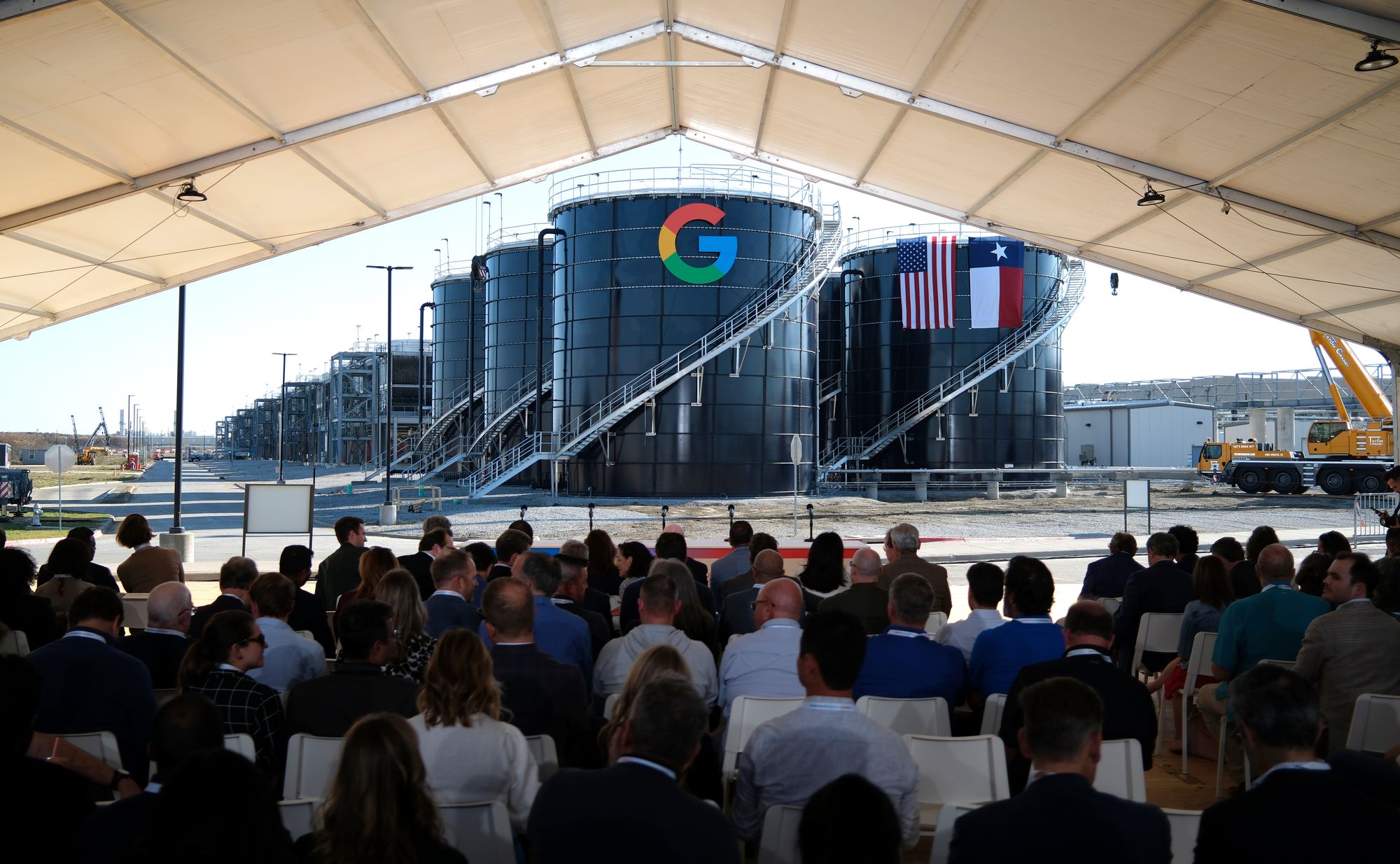 open image in galleryAttendees await the arrival of Texas Gov. Greg Abbott and Alphabet and Google CEO Sundar Pichai at the Google Midlothian Data Center on November 14, 2025 in Midlothian, Texas (Ron Jenkins/Getty Images)
De Vries-Gao calculated AI's total water footprint in 2025 at somewhere between 312 billion and 767 billion liters, while noting that this is "even more difficult to assess" than carbon emissions due to corporate secrecy and dearth of public information.
If those figures were true, AI's water use could top the 46 billion liters in bottled water that humanity swigs every year.
"Despite AI system power demand approaching that of a country the size of the United Kingdom, the environmental impacts of this growth remain unclear," de Vries-Gao wrote.
"Without transparent data, the biggest opportunities for mitigating the climate impacts of data centers and AI cannot be easily identified, and the effects of interventions will remain hidden as well."
Where the data comes from
Over the past few years, Silicon Valley's AI blitz has created skyrocketing demand for high-end computation in vast dedicated data centers, causing a scramble to secure new electricity sources and soaring power bills for ordinary citizens nearby.
Many data centers also use water cooling to prevent their machines from overheating. While some of that water is recycled, much of it evaporates and is lost to the local ecosystem.
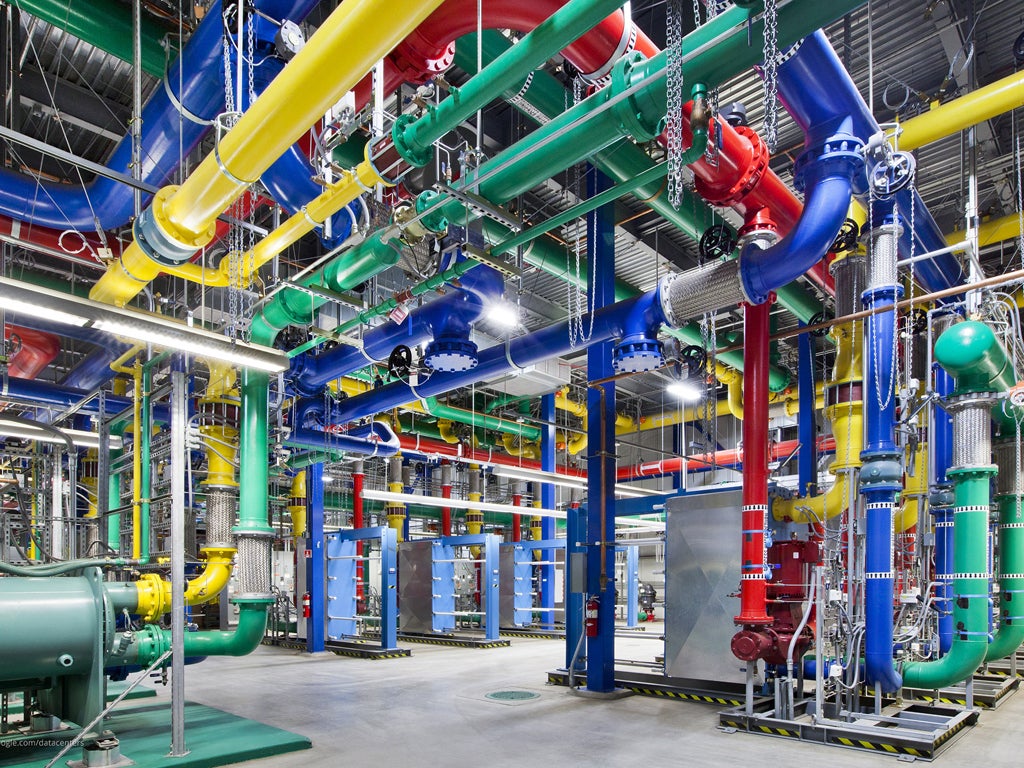 open image in galleryThese colourful pipes are responsible for carrying water in and out of the Oregon data center. The blue pipes supply cold water and the red pipes return the warm water back to be cooled (Google)
All of which has made data centers and their resource consumption a hot-button issue across the U.S., with 230 environmental groups recently urging Congress to impose an immediate national moratorium on new facilities.
De Vries-Gao's study builds on his own previous research, which estimated that AI's global electricity demand was 9.4 gigawatts at the end of 2024 and could reach 23 gigawatts by the end of 2025.
He then combined that with estimates from the International Energy Agency about the CO2 output of data centers in general in order to calculate a range of 32.6 million to 79.7 million tons for AI specifically.
However, he noted that different data centers cause very different amounts of pollution, and that there is no systematic public data on AI's carbon emissions, making these figures uncertain.
AI companies fight to hide their water use
Water is an even trickier issue. Some researchers have estimated very high usage totals for AI data centers, and individual companies have reported steep increases in their annual water consumption.
Many local officials have become concerned about the amount of water data centers want from their systems, especially at a time of rising drought due to climate change.
Take Newton County, Georgia, which has suffered rising water prices, damaged wells, and is facing a water deficit by 2030 after Facebook’s parent company Meta, built a new data center there.
Meanwhile, in Phoenix, Arizona, one recent report found that annual water stress in Phoenix, Arizona, will rise by 32 percent if all currently planned data centers end up getting built.
But some commentators, as well as AI industry lobbyists, argue that popular concerns about AI water use are overstated, especially given that other industries consume more water with less controversy.
Like many of the most headline-grabbing recent estimates, Vries-Gao's figure 312.5 to 746.6 billion liters doesn’t just include the water used directly by data centers but also the water used by power plants to generate the extra electricity.
This ‘indirect’ water use often accounts for a large majority of the estimated total. That’s important because power plants generally return what they use to the local water system, meaning the impact is different.
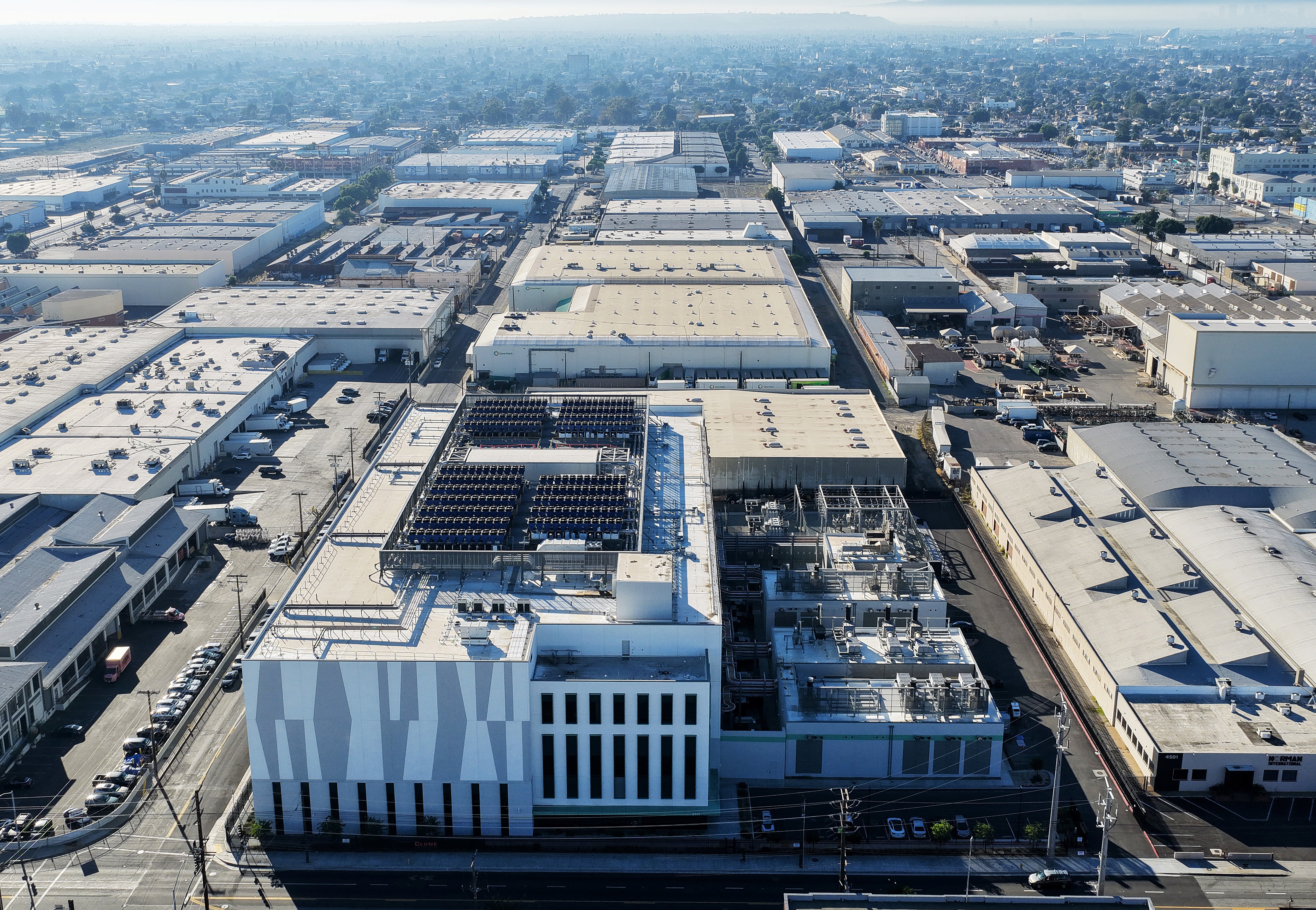 open image in galleryAn aerial view of a 33 megawatt data center with closed-loop cooling system on October 20, 2025 in Vernon, California. A surge in demand for AI infrastructure is fueling a boom in data centers across the country and around the globe (Mario Tama/Getty Images)
Water consumption can also vary enormously between data centers, based on the local climate and the specific cooling methods they use. That makes it much harder to draw reliable estimates from public information.
"In the near term, it's not a concern and it's not a nationwide crisis," Cornell professor Fengqi You recently told Wired, in a detailed article exploring this question. "But it depends on location. In locations that have existing water stress, building these AI data centers is gonna be a big problem."
Meanwhile, AI companies and city governments have sometimes fought bitterly to keep the details of their water use secret, inflaming public suspicion.
"Ultimately, further disclosures from data center operators are required to improve the accuracy of these estimates," wrote de Vries-Gao.
More about
AIWaterElectricityCO2carbon emissionsPollutionJoin our commenting forum
Join thought-provoking conversations, follow other Independent readers and see their replies
Comments