
- News
- Science
- Archaeology
- News
A farmer unearthed the remains of two Bronze Age people while ploughing a field
Lucinda Cameron Tuesday 23 December 2025 00:01 GMT- Bookmark
- CommentsGo to comments
Bookmark popover
Removed from bookmarks
Close popover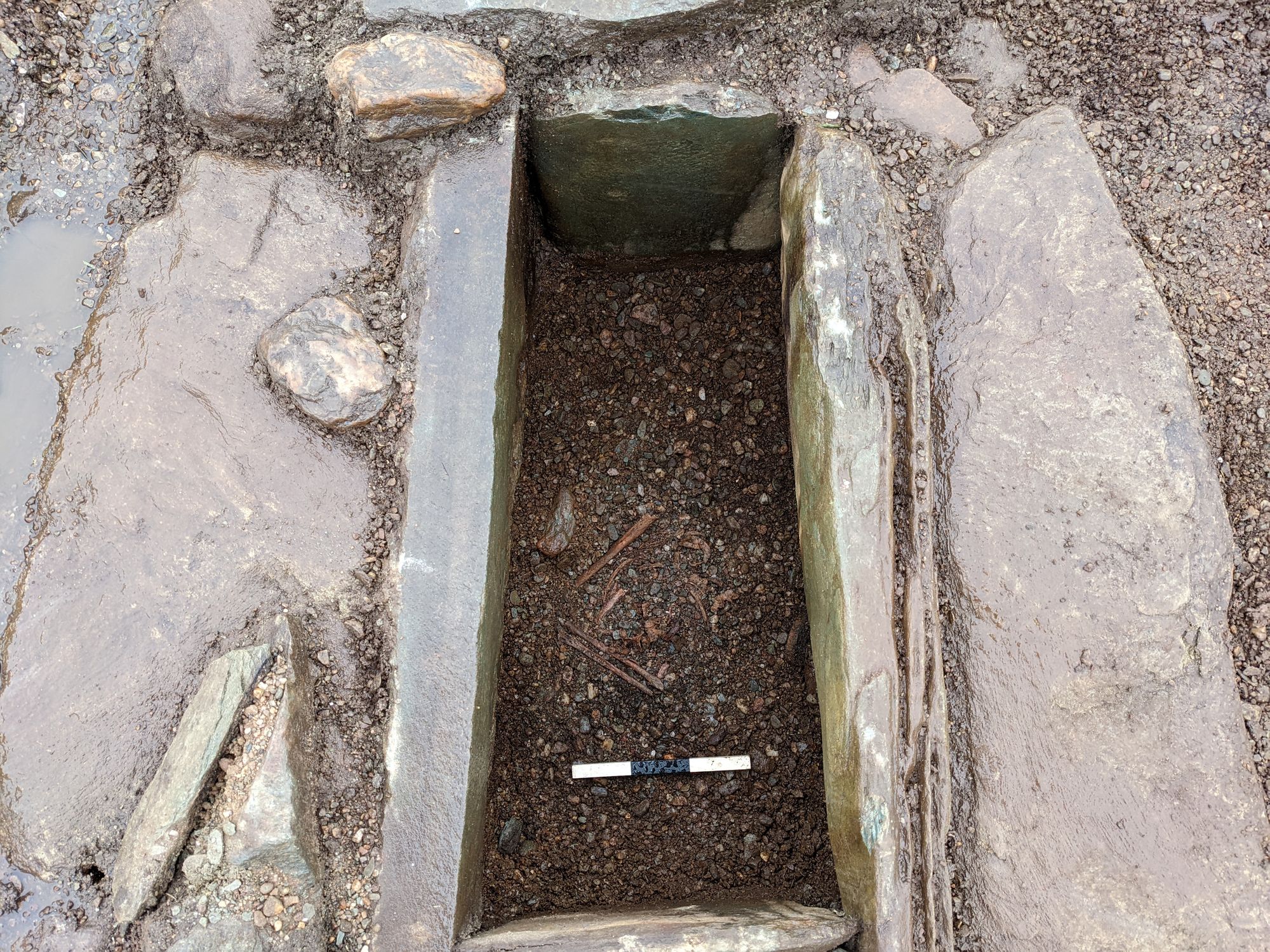 open image in galleryThe remains of two Bronze Age people were found by a farmer (Historic Environment Scotland and AOC Archaeology Group/PA Wire)
Sign up for our free Health Check email to receive exclusive analysis on the week in health
Get our free Health Check email
Get our free Health Check email
Email*SIGN UPI would like to be emailed about offers, events and updates from The Independent. Read our Privacy notice
The secrets of two Bronze Age individuals, unearthed by a farmer ploughing a field on the Isle of Bute, are now being meticulously revealed at Scotland’s cutting-edge facility for archaeological human remains.
The discovery of a long-lost burial chamber, dating back approximately 4,000 years, has offered a rare glimpse into ancient lives.
The cist, located at Rhubodach, holds a curious history. First documented before 1863, it saw a human skull removed and sent to the Society of Antiquaries of London, only to be subsequently forgotten.
It lay undisturbed for over a century and a half until a farmer’s plough once again brought it to light in 2022, leading to the finding of further human remains.
An excavation by AOC Archaeology Group confirmed the presence of two individuals within the cist, though they were not interred simultaneously.
Analysis, spearheaded by Dr Jess Thompson, Scotland’s first curator of osteoarchaeology at National Museums Scotland (NMS), has painted a detailed picture of the ancient inhabitants.
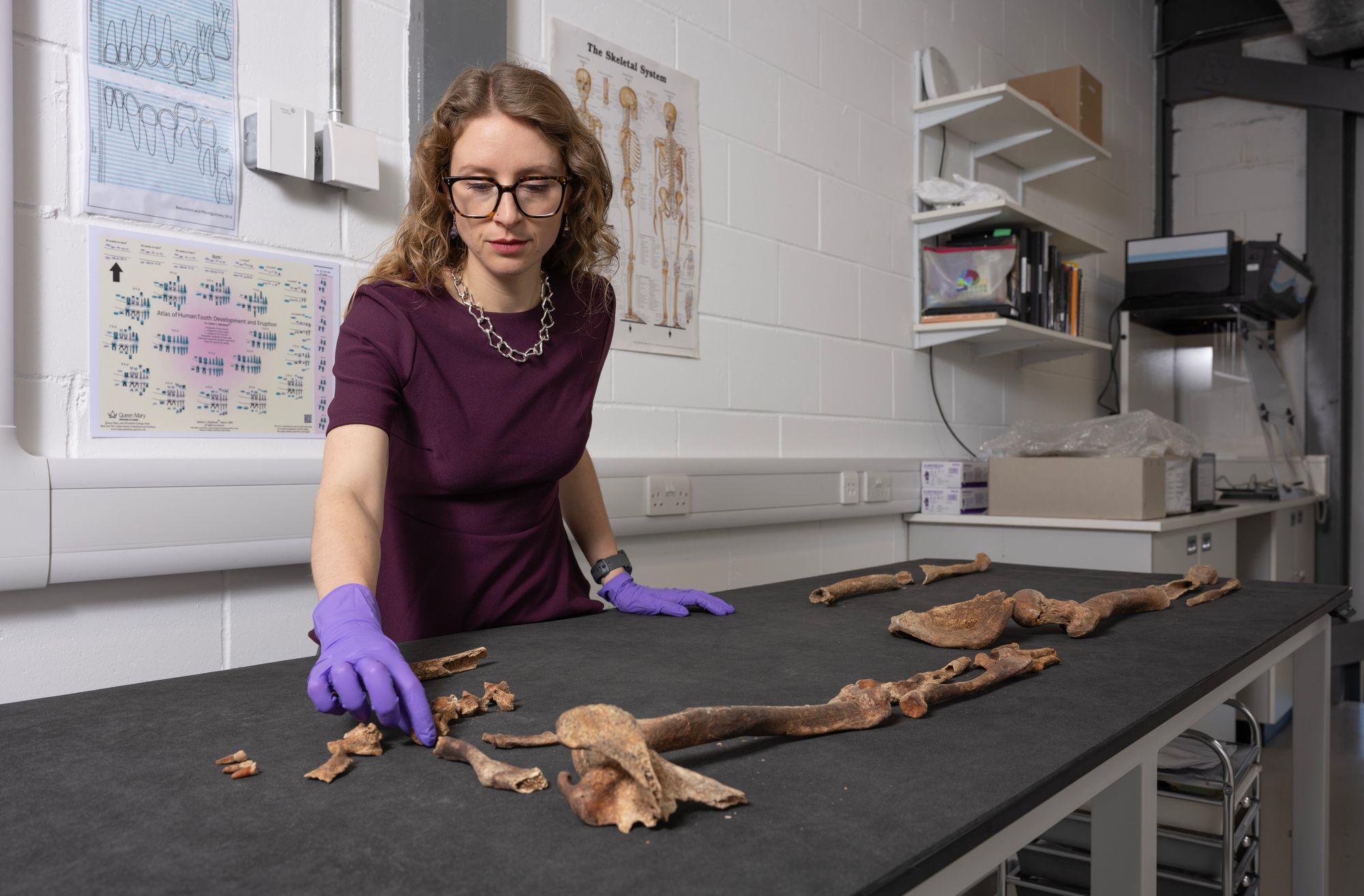 open image in galleryJess Thompson has been studying the Bronze age people remains (Neil Hanna/PA Wire)
The uppermost individual was identified as an adult male, aged between 35 and 50 at the time of his death, standing approximately 5ft 6in tall and appearing to have been in good health.
Beneath him lay the remains of a female, believed to be either an adolescent or a very young adult.
Both individuals’ skulls are now missing, with the 19th-century practice often involving the recovery of only the cranium.
Radiocarbon dating and isotopic analysis suggest a predominantly terrestrial diet, with little consumption of marine protein.
While the exact relationship between the two and the precise interval between their burials remain unknown, Dr Thompson noted: "The radiocarbon dates indicate that they died within the final quarter of the third millennium BC, so after 2250 BC, and that the uppermost individual probably was buried just after, or up to a few generations later than the lower individual. And so probably this cist was used within the living memory of these individuals."
These significant finds were declared through the Treasure Trove Unit and allocated to NMS in September this year.
They are now housed among thousands of items at a new, state-of-the-art facility at the National Museums Collection Centre in Granton, Edinburgh.
This facility, which became operational in autumn 2025, was established as part of the Scotland’s Archaeological Human Remains Collections (SAHRC) project.
It provides a crucial 70% increase in storage capacity, accommodating human remains from around 2,500 individuals across approximately 600 archaeological sites throughout Scotland, spanning from the Mesolithic period (up to 8,000 years ago) to the 18th or 19th century.
Dr Matthew Knight, senior curator of prehistory (Bronze Age Collections) at NMS and lead investigator for the SAHRC project, highlighted the importance of the rediscovery.
"The cist was found at a site called Rhubodach on the Isle of Bute, and it’s a cist that had been forgotten about," he explained.
"It had actually previously been excavated in the 1800s when a skull was recovered and sent to London. At the time, other remains were noted still in the ground but they were left.
“The skull, unfortunately, has now been lost, but rediscovery and re-excavation of these remains is allowing us to reinterpret and retell the story of this individual.
“And analysis of the remains found that there wasn’t just one individual in the grave, but actually two, and these two were buried with additional pottery and other grave goods."
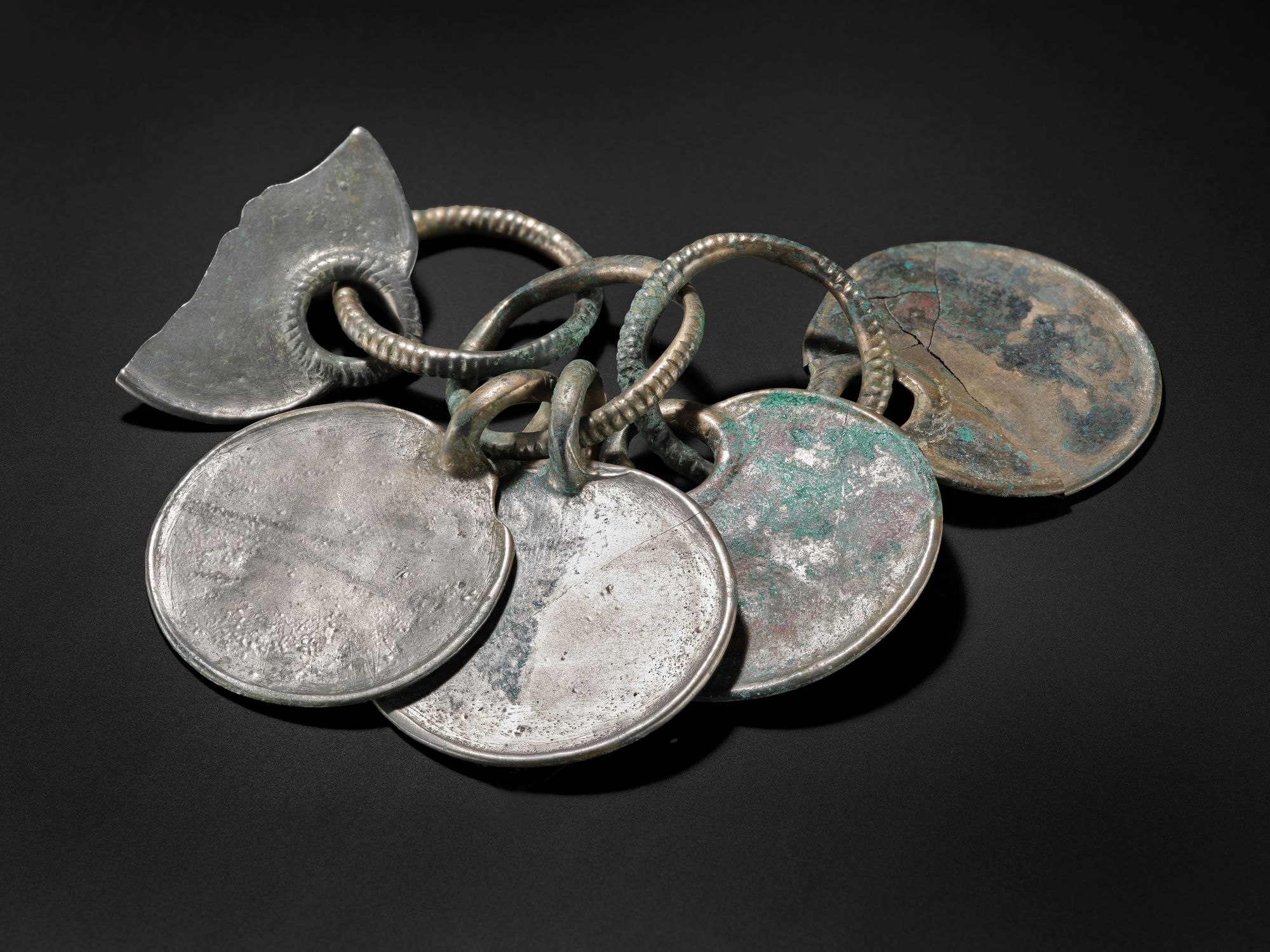 open image in galleryBronze Age remains at the National Museums Scotland (National Museums Scotland/PA Wire)
The SAHRC project, supported by the Arts and Humanities Research Council and a collaboration between National Museums Scotland and Historic Environment Scotland, has also facilitated upgrades to research equipment.
Dr Knight underscored the ethical imperative behind the initiative: "Part of the reason for us setting up this project is because archaeological human remains provide fascinating insights into the people who once lived in what we now call Scotland, and we need to provide ethical care, ethical curation and the best possible storage for them here, as well as facilitating research into their lives that allows us to enrich what we can say about the past.
“These are people who were once living, breathing humans, and we need to ensure that they are treated with the utmost respect."
The project aims to enhance NMS’s capabilities and foster broader collaboration across Scotland’s museums and heritage sector, ensuring these ancient stories continue to be told with dignity and scientific rigour.
More about
National Museums ScotlandBronze Agehuman remainsJoin our commenting forum
Join thought-provoking conversations, follow other Independent readers and see their replies
Comments