
- Lifestyle
- Food and Drink
Four chefs share the holiday recipes they return to year after year — and the dishes they recommend for home cooks looking to add something new to their festival table
Brittany Miller Saturday 20 December 2025 18:25 GMT- Bookmark
- CommentsGo to comments
Bookmark popover
Removed from bookmarks
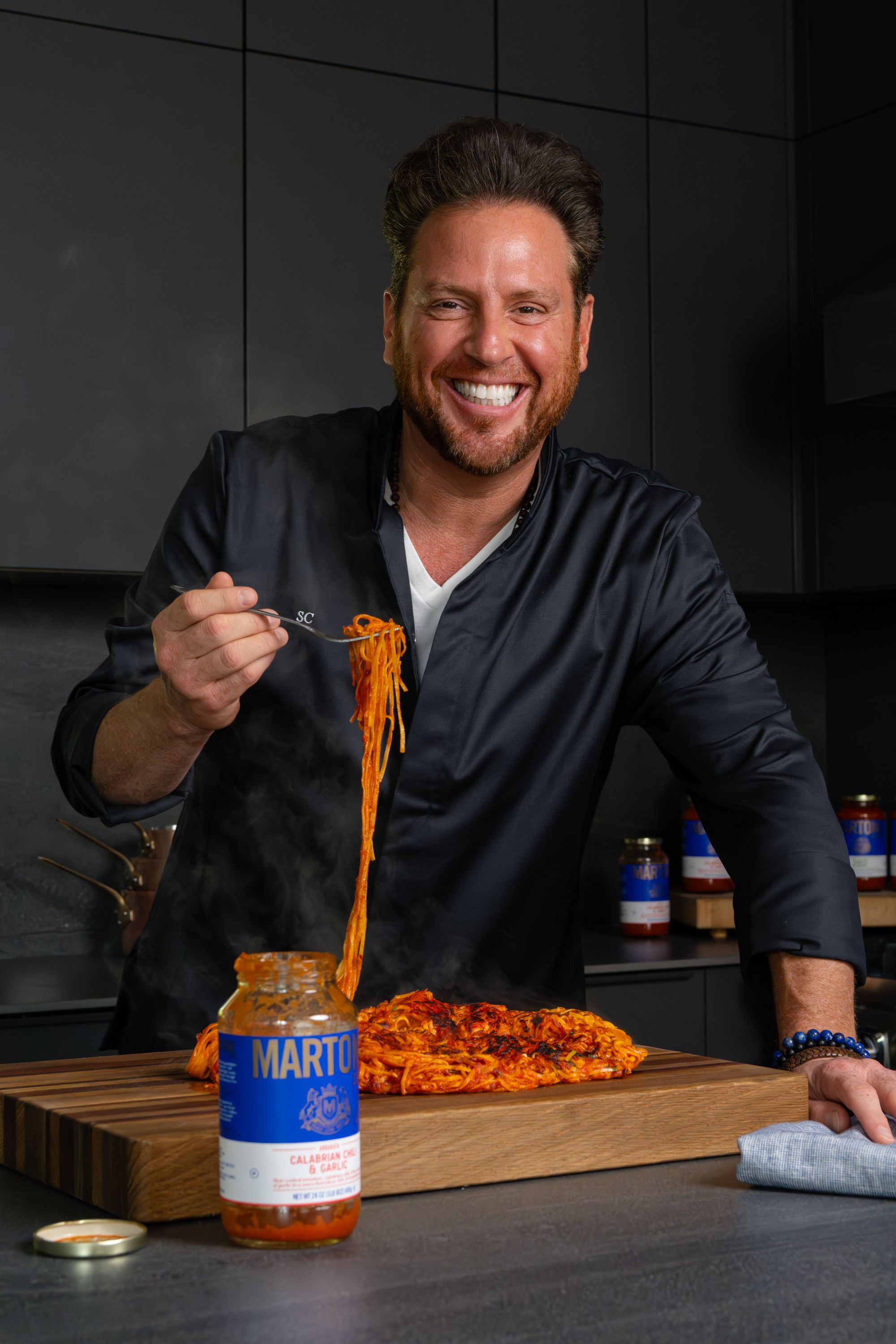
Close popover open image in gallery(From top left, clockwise) Ian Boden, Christina Tosi, Chetan Shetty and Scott Conant share their recipes with ‘The Independent’ (Grace Florsheim, Stephanie Whitehall photography, Todd Coleman, and Courtesy of Christina Tosi)
Sign up to IndyEat's free newsletter for weekly recipes, foodie features and cookbook releases
Get our food and drink newsletter for free
Get our food and drink newsletter for free
Email*SIGN UPI would like to be emailed about offers, events and updates from The Independent. Read our Privacy notice
The holidays have a way of pulling cooks back to themselves. No matter how many services they’ve run or awards they’ve collected, this is the time of year when even the most accomplished chefs reach for dishes that feel personal.
For some, that means baking something sweet and deliberately unfussy; for others, it’s slow, deeply savoury cooking that rewards patience and memory. These are not restaurant showpieces or trend-driven plates, but the dishes chefs return to when they’re feeding family and want to express sentimentality in their cooking.
A recent survey commissioned by Jennie-O and conducted by Talker Research found that more than half of Americans rely on a signature family recipe each year, with many of those dishes dating back decades.
Here, The Independent asked four acclaimed chefs — Christina Tosi, Ian Boden, Chetan Shetty and Scott Conant — to share the recipes they make when the pressure is off and the stakes are emotional rather than professional.
Christina Tosi — founder and co-owner of Milk Bar
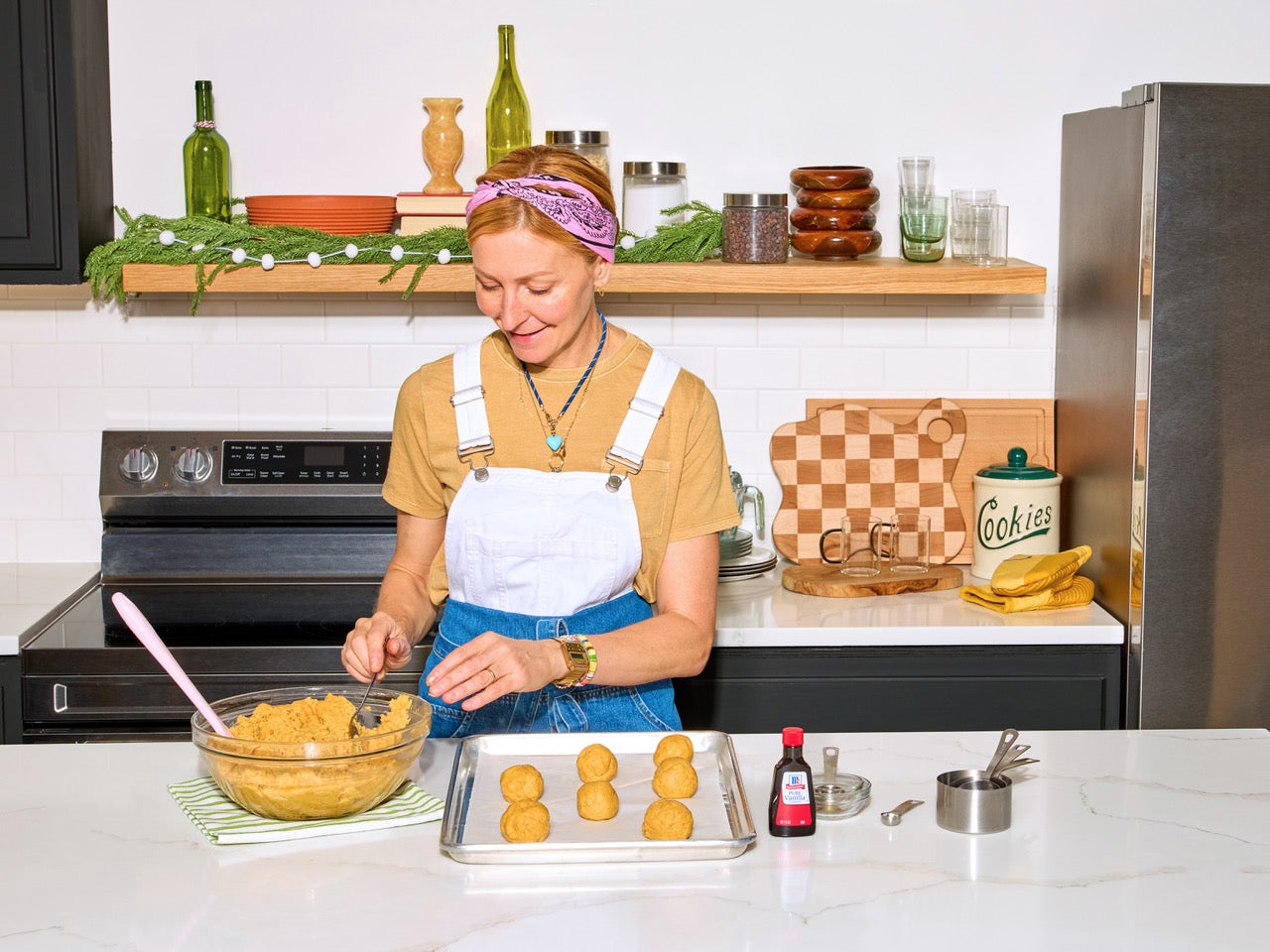 open image in galleryTosi grew up eating sugar cookie squares named after her mother, Greta (Courtesy of Christina Tosi)
The Gretas (cookies)
Sugar cookie squares named after Tosi’s mother reminded the chef of her time in college. “I was raised on these sugar cookie squares,” she told The Independent. “My fondest memories of them involved receiving disposable 9x13-inch pans of them once a week (that’s 3.43 cookies a day) when I was away at college (and I didn’t have a kitchen of my own to bake in).”
“To this day, they bring me such cozy comfort that they are practically a staple during the holidays,” she added.
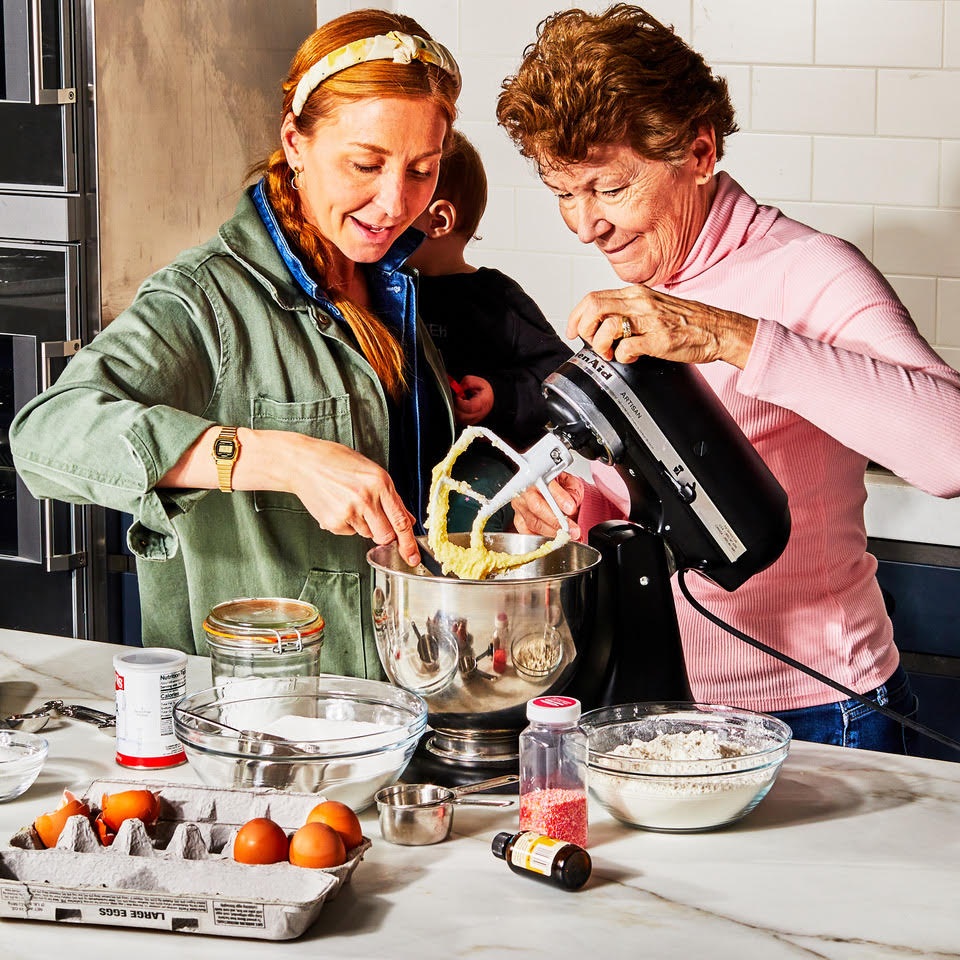 open image in galleryTosi prefers her Gretas to be slightly underbaked, cooking in a 350°F oven for 20-25 minutes (Courtesy of Christina Tosi)
INGREDIENTS
1 stick of butter, softened
1 cup sugar
1 egg
1/4 cup oil
1 teaspoon vanilla extract
1 ½ cups flour
½ teaspoon kosher salt
½ teaspoon baking soda
1/4 cup milk
2 to 4 tablespoons decorative sprinkles or sparkling sugar of your choice (may substitute a combination of 1 tablespoon sugar and 1 teaspoon ground cinnamon)
INSTRUCTIONS
1. Heat the oven to 350°F. Grease an 8 × 8-inch baking pan.
2. Combine the butter and sugar in the bowl of a stand mixer fitted with the paddle attachment and cream on high until homogenous, about 3 minutes. Add the eggs, oil, and vanilla and mix until just combined, about 1 minute.
3. Add the flour, salt, and baking soda, mixing until just combined, about 30 seconds. Mix in the milk until just combined, about 30 seconds.
4. Spread the dough in an even layer in the prepared pan. Spread your cinnamon sugar or sprinkles evenly over the cookie dough.
5. Bake for 20 to 25 minutes for a slightly underbaked cookie (which is how I like it), or for another 3 to 5 minutes if you’re a firm cookie fan. Cool completely in the pan before cutting into squares.
Ian Boden — Chef at Maude & the Bear in Staunton, Virginia
-(1).jpeg) open image in galleryBoden’s egg barley recipe is inspired by the egg barley his Hungarian grandmother used to make from a box (Stephanie Whitehall Photography)
open image in galleryBoden’s egg barley recipe is inspired by the egg barley his Hungarian grandmother used to make from a box (Stephanie Whitehall Photography)Egg Barley
Boden’s egg barley recipe stems from his late Hungarian grandmother, who would normally prepare the dish for Thanksgiving with the occasional leftovers stored in the freezer.
“I only made it with her once, and it was towards the end of her life but, you know, she made it out of a box,” he told The Independent. “We always make it from scratch. Also, she didn't make schmaltz a lot. We make tons of schmaltz. So we cook ours in schmaltz. She cooked hers, and I don't even know, probably whatever the cheapest fat was that she purchased at the grocery store.”
Since introducing the egg barley at his own restaurant, it has become one of the most popular items on the menu.
“We had it on the menu for about six weeks, and it was repeatedly said that it was one of their favorite dishes of the night,” Boden said.
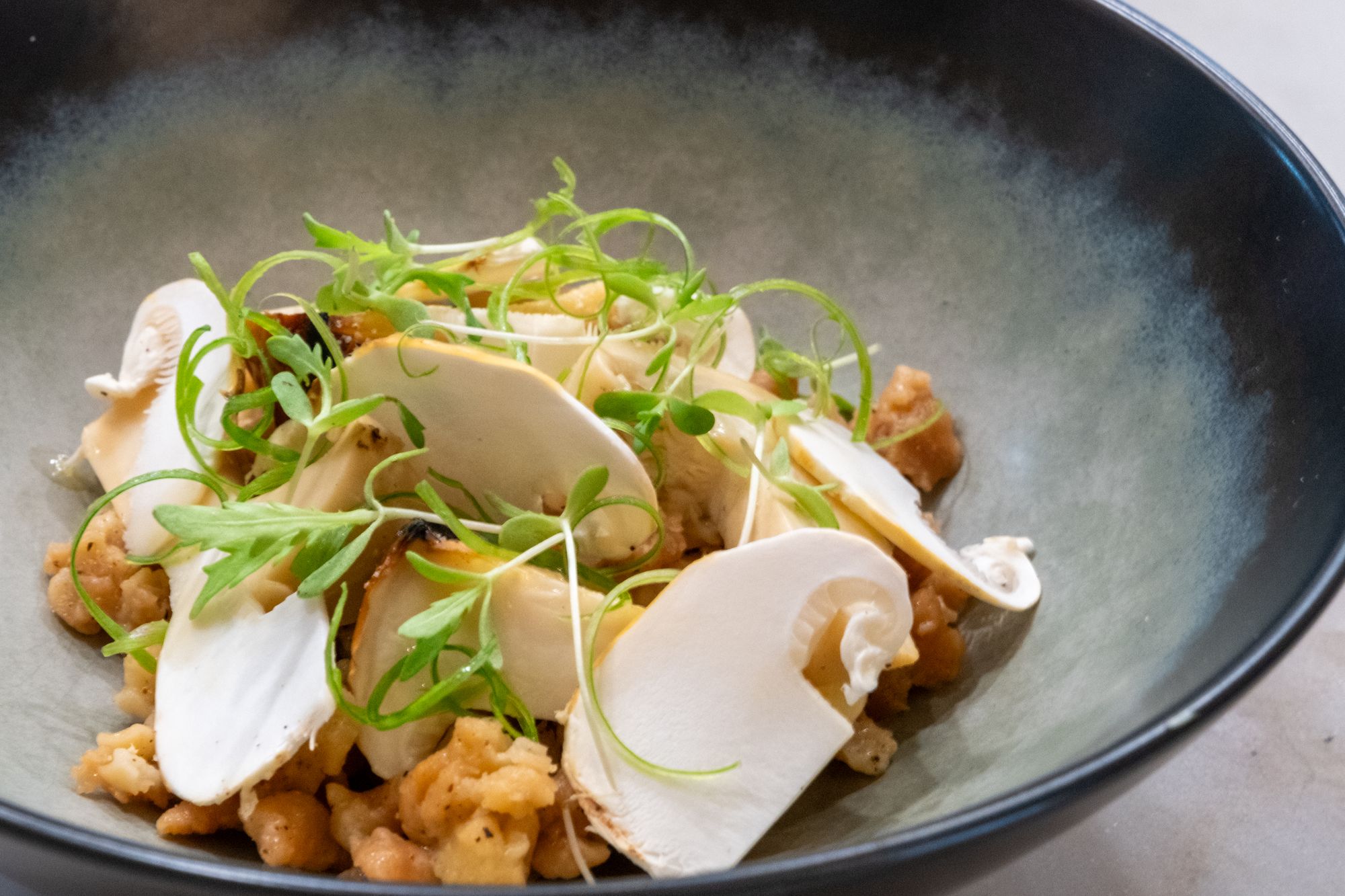 open image in galleryBoden had egg barley on the tasting menu at his restaurant for six weeks, where it quickly became a hit with the customers (Ian Boden)
INGREDIENTS
For the egg barley:
2 ¼ cups all-purpose flour
3 whole eggs
1 tablespoon vegetable oil or any neutral oil
1 tablespoon salt
1 tablespoon and ½ teaspoon water
For the sauce:
4 cups chicken stock
½ cup schmaltz
1 large yellow onion, finely chopped
¼ teaspoon kosher salt
¼ teaspoon freshly cracked black pepper
2 cloves garlic, minced
1 fresh or dry bay leaf
INSTRUCTIONS
1. Make the dough: Make a mound out of the flour on a clean surface or in a large mixing bowl and make a well in the center of the pile. Lightly beat together the egg, salt, oil, and water in a separate bowl. Drop this mixture into the flour well and work the mixture with a fork or your hands, folding the flour over the egg mixture until a dough comes together and can be rolled into a ball. Knead this mixture by folding the dough over towards the body and press with the heel of the hand and give a slight turn. The mixture will feel a bit dry but as you continue to knead it it will hydrate. Fold, press and turn the dough again and continue this process until the dough is smooth and elastic. Knead the dough for about 15 minutes. Divide the dough into 2 balls and set aside, uncovered, for 30 to 45 minutes.
2. Preheat the oven to 350°.
3. Shape and toast the egg barley: Grate the balls of dough on the coarse side of a box grater onto a parchment-lined baking sheet. Grate the dough in one direct motion from the top of the grater to the bottom. Try to keep the grated dough in an even layer on the sheet. Transfer the baking sheet with the grated dough into the oven and bake it for 20 minutes total, checking every 5 to 10 minutes, stirring the barley and breaking apart any large chunks of egg barley. The barley is finished when most of the pieces are golden brown and very dry. If the barley is not evenly toasted, that's completely fine. The uneven toast allows the barley to have different flavors.
4. Cook the egg barley: Add the schmaltz to a medium-sized pot and melt it over medium heat. Add the onion, bay leaf, ¼ teaspoon salt, and the black pepper. Cook the onions until they are translucent, for about 5-10 minutes. Add the garlic and cook for 1 more minute. Add the toasted barley, stir to coat the barley with the onions and schmaltz that are in the pan. Add the stock, bring the mixture to a boil, then place a lid on the pot and reduce the heat to medium-low or to a gentle simmer. Allow it to simmer until the liquid has been absorbed and the barley is tender, about 20 minutes. If more liquid is needed, add more stock or water and continue to cook.
Chetan Shetty - Executive Chef at Passerine in New York City
.jpeg) open image in galleryShetty’s spice blend is inspired by the aromas of the season, including citrus fruits (Todd Coleman)
open image in galleryShetty’s spice blend is inspired by the aromas of the season, including citrus fruits (Todd Coleman)Winter Garam Masala Blend
Shetty recalled walking around in India when he was growing up and smelling the different spices around him, and how the more prominent scents would change with the seasons. After moving to New York City and opening up his own restaurant, he did the same when walking around farmers’ markets.
“I think winters, you feel a lot of orange, citric, lavender, like those are the things that I feel very nostalgic about when it comes to winter,” he told The Independent. “We wanted to make this spice blend very versatile. You can add it while basting or finishing your dish.”
While the spice blend was specifically created to use with meats like turkey, Shetty also recommends using it as a finishing spice in soups, gravies, or even pumpkin with melted butter.
.jpeg) open image in galleryShetty’s recipe is for using the blend on turkey, but it can also be used as a finishing spice in soups and gravies (Courtesy of Chetan Shetty)
open image in galleryShetty’s recipe is for using the blend on turkey, but it can also be used as a finishing spice in soups and gravies (Courtesy of Chetan Shetty)INGREDIENTS:
1 Tablespoon Cinnamon
1 Tablespoon Green Cardamom
1 Tablespoon Whole Kashmiri Chilli
1 Tablespoon Star Anise
1 Tablespoon Coriander Seeds
1 Tablespoon Fennel Seeds
1 Tablespoon Cloves
1 Tablespoon Lemon Zest
1 Tablespoon Orange Zest
1 Teaspoon Lime Zest
1 Tablespoon Dried Chrysanthemum Flowers
1 Tablespoon Cumin
1 Tablespoon Fennel
2 Teaspoon Dried Rose Petals
INSTRUCTIONS
1. Take the whole spices into a heavy Ziplock bag or put between two sheets of parchment paper.
2. Using a rolling pin, or other heavy object, pound the spices until crushed thoroughly.
3. If you’d like to adjust the texture of your mix, you can sift the crushed spices through a coarse mesh sieve.
4. To prepare your turkey, rinse and thoroughly dry the bird. Lightly coat the bird with Olive Oil of ghee to help the spices to adhere. Thoroughly rub the spice blend all over, including under the skin and the bottom of the bird.
5. If you would like a deeper flavor to your turkey, this step can be done 6-hours ahead of time or can even set overnight into the turkey.
6. Once marinated and coated, cook the turkey as you normally would, with a 350-degree oven, about 13-15 minutes per pound, and until you reach an internal temperature of 165 degrees.
7. Rest your turkey after you remove from the oven for about 15 minutes before carving.
Scott Conant - ‘Chopped’ judge and restaurateur
 open image in galleryConant’s lasagna recipe was adapted from his mother’s original recipe and then tweaked based on his time in Bologna (Courtesy of Scott Conant)
Lasagna
Conant grew up on his mother’s lasagna, which was Neapolitan-style, consisting of ricotta cheese and a little bit of mozzarella. After working with a group of chefs in Bologna, Italy, he started making a version with a bolognese sauce.
Despite his deviation from his mother’s recipe, the Chopped judge told The Independent how important having his family around in the kitchen is for the holiday season.
“I think just spending time in the kitchen with the family is something that I grew up with; my mother making Italian cookies, or, you know, the angel wings, the deep-fried kind of like pasta with confectioner sugar over the top of it. You know, eating that in the morning with an espresso is just so completely nostalgic for me,” he said.
“Food is just this conduit for connection. And I think just spending time in a kitchen with the people that you love and care about most. What else is there?”
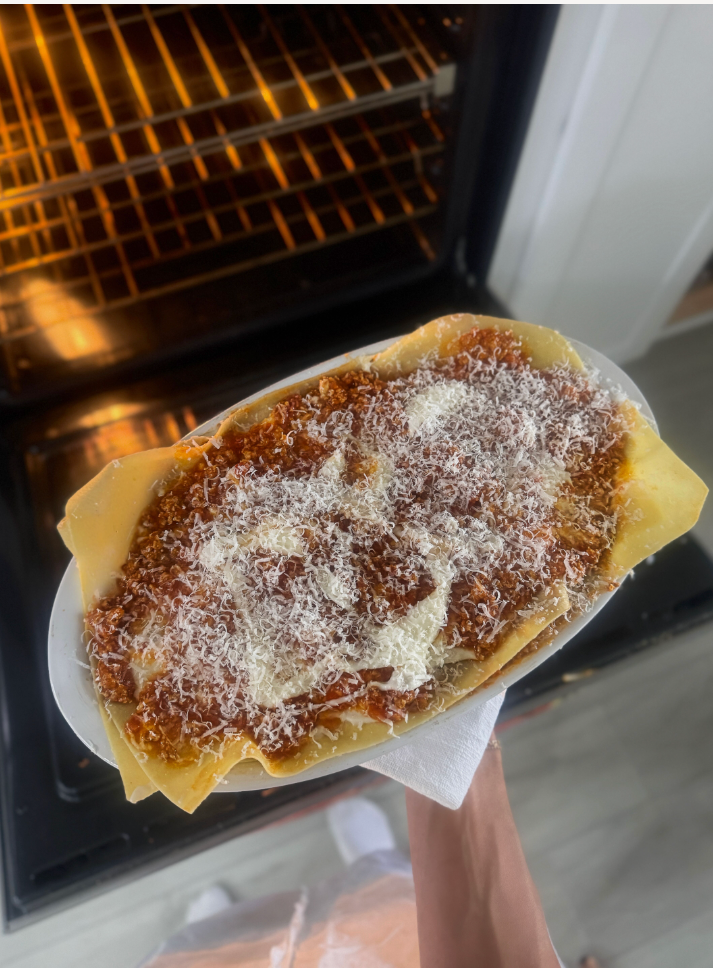 open image in galleryThe recipe includes making the pasta from scratch (Courtesy of Scott Conant)
INGREDIENTS
For the Fresh Pasta Sheets:
3 ¼ cup 00 flour
1/3 cup semolina
9 egg yolks
1 whole egg
2 teaspoons kosher salt
2 tablespoons extra-virgin olive oil
1/3 cup water
For the Bolognese:
Neutral oil, like avocado or grapeseed
4 oz pancetta, small diced
2 ribs celery, food processed
2 carrots, food processed
1 large yellow onion
Kosher salt
1 lb ground veal
1 lb ground pork
1 cup white wine
1 cup chicken stock
1 (24-oz) jar Martone St Signature Pomodoro Sauce
For the Fontina & Parmigiano Bechamel:
4 tbsp unsalted butter
4 tbsp all-purpose flour
4 cups whole milk, warmed
½ teaspoon kosher salt, or more to taste
Freshly ground black pepper
Pinch freshly grated nutmeg
1 cup shredded Fontina cheese
½ cup freshly grated Parmigiano-Reggiano cheese
Grated Parmigiano-Reggiano cheese, for layering the lasagna
INSTRUCTIONS
For the Pasta Sheets:
1. Mound the flour and semolina on a board (or in a bowl). Make a well in the center, add the eggs, salt, olive oil, and water, and begin incorporating the flour until a shaggy dough forms.
2. Bring the dough together with your hands and knead for 7–10 minutes, until smooth, elastic, and just slightly tacky. If the dough seems dry, spritz it lightly with water and keep kneading. Add a dusting of flour only if it’s too sticky.
3. Wrap the dough tightly in cling wrap and let it rest for 30 minutes at room temperature.
4. Cut the dough into pieces. Working with one at a time, roll it through your pasta machine, starting on the widest setting. Fold the sheet in thirds, the first 2 passes on the widest setting to build structure, then continue working down to the second-to-last setting.
5. Trim sheets to fit your baking dish.
6. Bring a large pot of salted water (it should taste like broth) to a boil. Boil the sheets for about 2 minutes, then lay them flat on clean kitchen towels to remove excess moisture.
For the Bolognese:
1. Add a drizzle of neutral oil to a large heavy-bottomed pot over medium heat. Add the diced pancetta and cook until the fat has rendered and the pancetta is lightly golden.
2. Meanwhile, pulse the celery, carrot, and onion in a food processor until finely minced. Add the mixture to the pot with the pancetta and cook, stirring often, until softened and fragrant, about 8–10 minutes. Season the vegetables with kosher salt.
3. Lightly season the ground meats with kosher salt, then add them to the pot. Cook over medium-high heat, breaking up the meat with a wooden spoon, until evenly browned and most of the moisture has cooked off.
4. Pour in the white wine, scraping up any browned bits from the bottom of the pot, and cook until nearly all the liquid has reduced.
5. Stir in the chicken stock and cook until slightly reduced, then add the pomodoro sauce. Stir to combine. Reduce the heat to low and simmer gently, uncovered, for about 45 minutes, stirring occasionally, until thickened.
6. Taste and adjust seasoning with salt as needed.
For the Fontina & Parmigiano Béchamel:
1. In a small saucepan, warm the milk over low heat.
2. In a medium saucepan, melt the butter over medium heat. Once melted and foamy, whisk in the flour. Cook, whisking constantly, for about 1–2 minutes to eliminate the raw flour taste.
3. Slowly pour the warm milk into the butter and flour mixture, whisking constantly to avoid lumps. Continue cooking and whisking until the sauce thickens and coats the back of a spoon, 6–8 minutes.
4. Add the kosher salt, black pepper, and a pinch of nutmeg.
5. Remove from heat and whisk in the fontina and Parmigiano until melted and silky. Taste and adjust seasoning if needed.
Lasagna Assembly
1. Heat the oven to 375°F (190°C). Lightly oil your baking dish.
2. For the base layer, spread a thin layer of béchamel over the bottom of the dish, then add a layer of bolognese. Top with a sheet of pasta.
3. Continue layering in this order - béchamel, bolognese, Parmigiano, pasta - until you’ve used all the components.
4. End with a final layer of bolognese, a layer of béchamel, and a generous sprinkling of Parmigiano on top.
5. Cover loosely with foil and bake for 25–30 minutes, then uncover and bake another 10–15 minutes, until golden, puffy, and bubbling around the edges.
6. Let the lasagna rest at least 15–20 minutes before slicing, so the layers set, and the sauce thickens slightly.
More about
ChefsChristmasRecipesFoodJoin our commenting forum
Join thought-provoking conversations, follow other Independent readers and see their replies
Comments