
The Independent's journalism is supported by our readers. When you purchase through links on our site, we may earn commission.
- News
- Health
Breast cancer is the most common cancer in women, leading to more than 43,000 deaths each year
Julia Musto in New York Friday 19 December 2025 22:46 GMT- Bookmark
- CommentsGo to comments
Bookmark popover
Removed from bookmarks
Close popover
 CloseThe importance of mammograms
Sign up for our free Health Check email to receive exclusive analysis on the week in health
Get our free Health Check email
Get our free Health Check email
Email*SIGN UPI would like to be emailed about offers, events and updates from The Independent. Read our Privacy notice
Women are advised to get a mammogram every year after the age of 40. The screenings can help detect breast cancer - the most common cancer in women - that leads to more than 43,000 deaths every year in the U.S.
But what if there was a different, more personalized option?
Researchers say shifting from the practice of relying on a screening age and annual exam to comprehensive risk could help reduce the chance of women developing more advanced cancer.
An analysis of the health of 46,000 American women between the ages of 40 and 74 found that the altered approach worked just as well as current yearly screenings - although it did not reduce the number of biopsies overall.
Still, Dr. Laura Esserman, the director of the University of California at San Francisco’s Breast Care Center and a medical advisory panel member for Blue Cross Blue Shield, said the findings should “transform clinical guidelines for breast cancer screening and alter clinical practice.”
“The personalized approach begins with risk assessment, incorporating genetic, biological and lifestyle factors, which can then guide effective prevention strategies,” she explained in a statement.
 open image in galleryA new way to screen for breast cancer could transform clinical practices, researchers say. Now, the annual mammogram plan is being questioned. (Getty Images for Avon)
A strategic approach
Of the 46,000 women included in the 2016 to 2023 “WISDOM” trial, more than 28,000 were randomly split to be screened based on risk or to go for typical yearly mammograms.
To determine each woman’s risk, participants were sorted into four groups based on their age, genetics, lifestyle, health history and breast density. Denser breasts carry a higher risk.
Just over a quarter of the women were in the lowest risk category and were told not to screen until they reached age 50. However, 62 percent were deemed at average risk, and told to screen every two years.
Yearly screening was advised for the 8 percent of women with an elevated risk, and 2 percent of women - who were the highest risk - were instructed to screen twice a year using both a mammogram and an MRI.
The women who were the most at risk also received contact from a breath health specialist, with recommendations for diet, exercises and potential medications they could take to reduce their risk.
But women who were not a part of those groups who choose their own screening approach overwhelmingly chose risk-based screening.
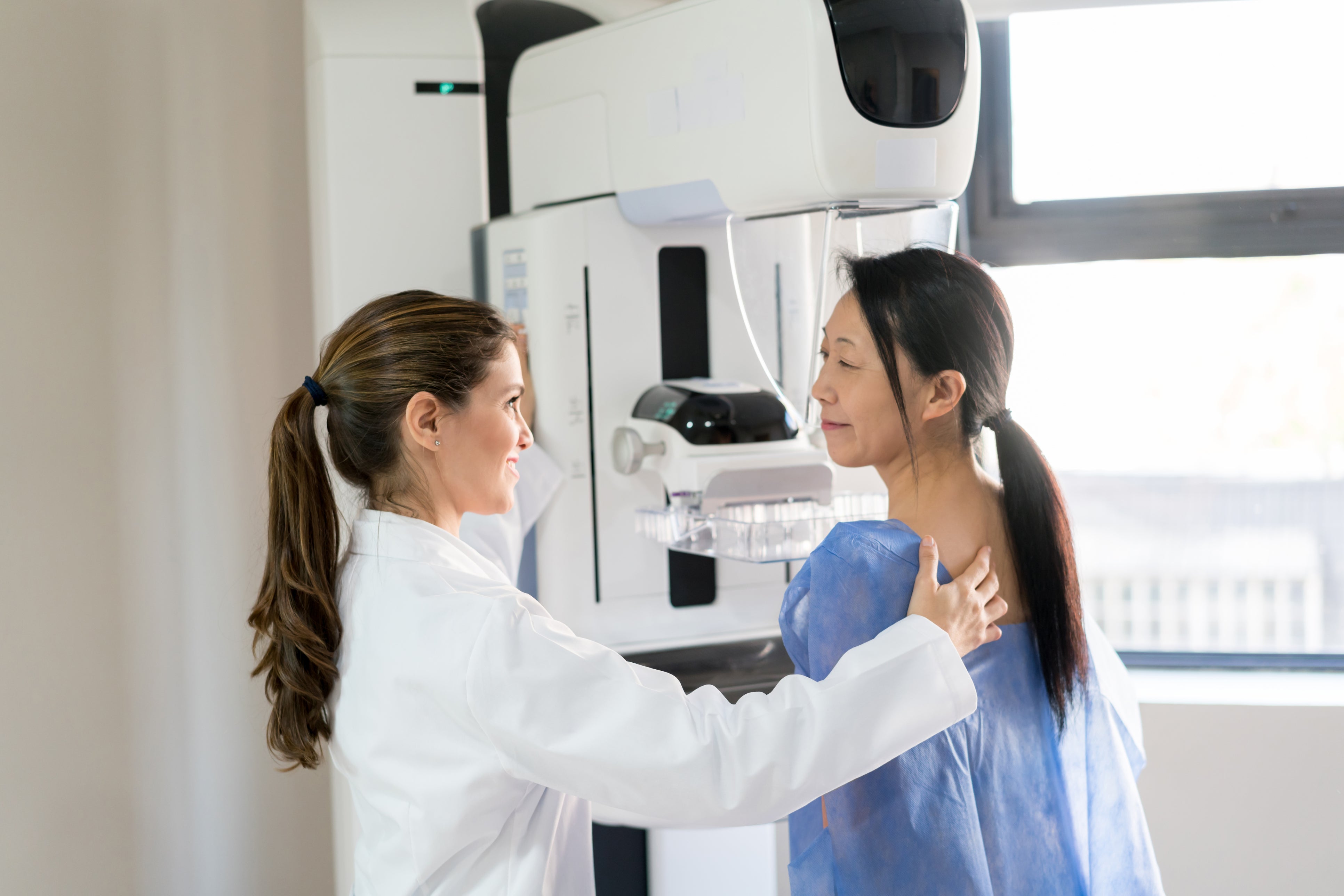 open image in galleryDoctors hope strategic screenings based on individual risk will help catch more aggressive breast cancer cases (Getty Images/iStock)
The researchers are working to continue to advance risk assessment in a second trial, with the aim of identifying women at a higher risk for developing more aggressive breast cancers.
Since mammograms were first introduced in the U.S. since the 1980s, there have been 30 percent fewer deaths from breast cancer among women, according to MemorialCare.
However, more women are also being diagnosed with breast cancer than they were then and doctors are “still screening the way we did in the 1980s,” Esserman told The New York Times.
“Every time a celebrity has breast cancer, we hear the message that ‘screening every year starting at 40 is what’s going to save you.’ But it doesn’t necessarily find those who are at highest risk,” she said.
More about
breastsbreastBreast CancermammogramWomen's HealthJoin our commenting forum
Join thought-provoking conversations, follow other Independent readers and see their replies
Comments