- Space
Scientists have observed cryovolcanoes erupting on comet 3I/ATLAS — giving us a new clue about what's inside it.
25 Comments Join the conversationWhen you purchase through links on our site, we may earn an affiliate commission. Here’s how it works.
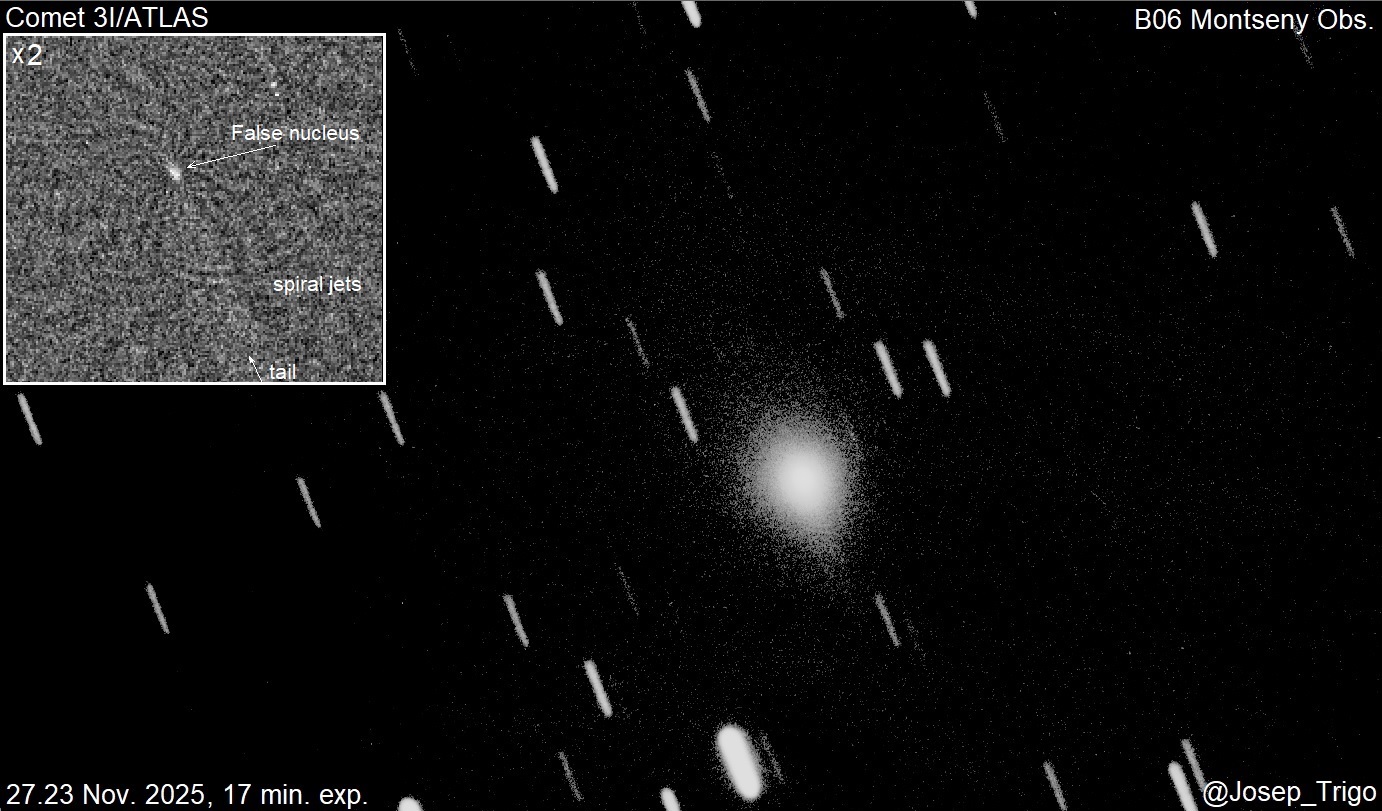
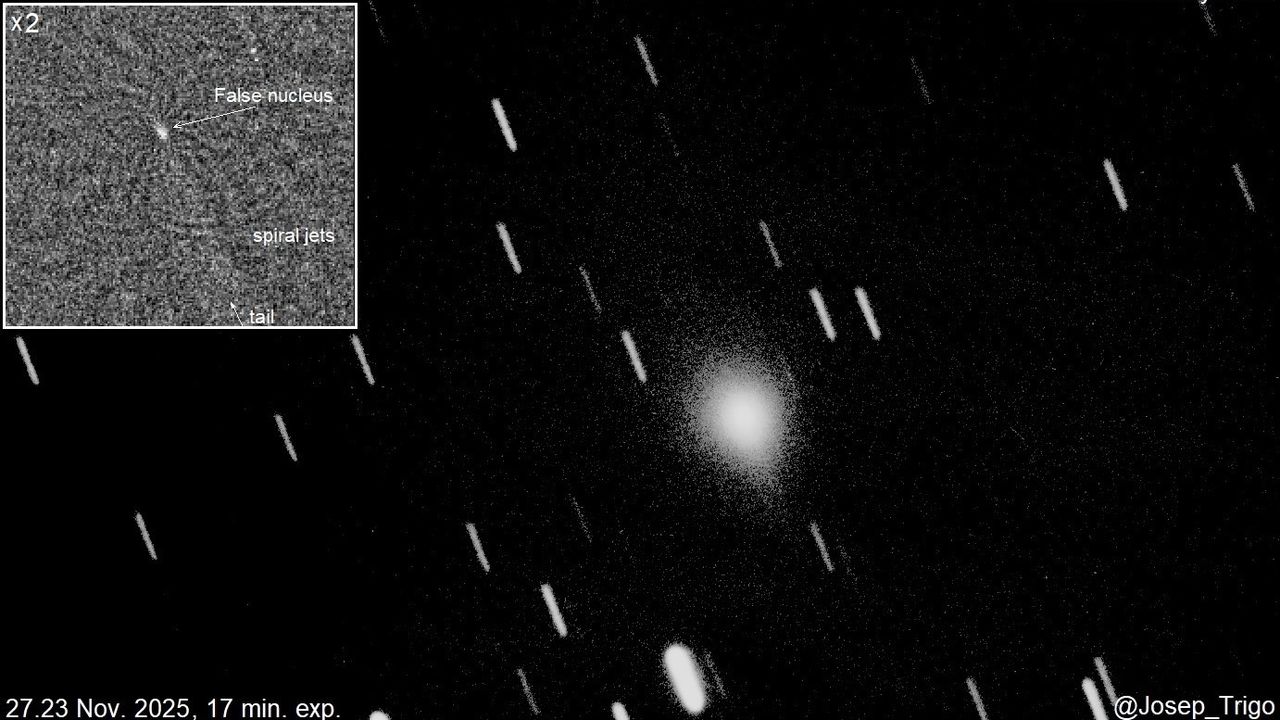
The interstellar comet 3I/ATLAS could be covered in erupting "ice volcanoes," new observations suggest.
The study's findings, which have yet to be peer-reviewed, suggest that comet 3I/ATLAS is similar to icy trans-Neptunian objects — dwarf planets and other objects that orbit the sun beyond Neptune. If this is confirmed, it means that despite coming from another solar system, comet 3I/ATLAS has a surprising amount in common with objects in our own cosmic neighborhood.
You may like-
 New images of interstellar object 3I/ATLAS show giant 'jet' shooting toward the sun
-
 New photos of comet 3I/ATLAS reveal its tail growing before our eyes
-
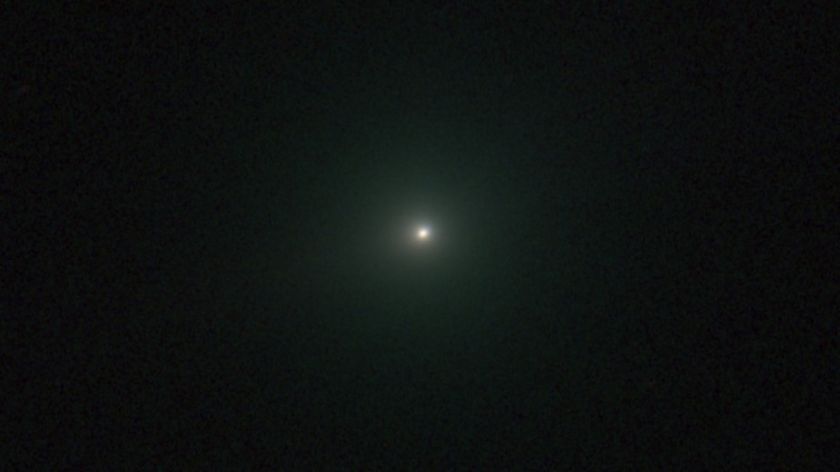 Irradiated Comet 3I/ATLAS glows green and hides its tail in new image
"We were all surprised," study lead author Josep Trigo-Rodríguez, a staff leading researcher at the Institute of Space Sciences (CSIC/IEEC) in Spain, told Live Science. "Being a comet formed in a remote planetary system, it is remarkable that the mixture of materials forming the surface of the body has resemblance with trans-Neptunian objects, bodies formed at [a] large distance from the Sun but belonging to our planetary system."
There has been endless speculation about the origins of comet 3I/ATLAS since astronomers first spotted it in July. Much of the online speculation has centered around whether this interstellar visitor could be an alien spacecraft. However, most astronomers are confident that 3I/ATLAS is a comet from an unknown star system.
Comet 3I/ATLAS is only the third interstellar object ever recorded, and offers researchers a rare opportunity to learn more about conditions around other stars and in the deep past (comet 3I/ATLAS could be billions of years older than our system). This means that scientists are scrambling to study the object before it departs our solar system forever next year.
For the new study, Trigo-Rodríguez and his colleagues studied the comet using the Joan Oró Telescope at the Montsec Observatory in the northeastern Catalonia region of Spain, pairing its observations with those made by other observatories in the region. The astronomers watched the comet carefully as it approached its closest point to our star, known as perihelion, on Oct. 29. Comets heat up as they fly closer to stars, causing ice on their surface to sublimate into gas, which researchers can then detect and study.
Sign up for the Live Science daily newsletter nowContact me with news and offers from other Future brandsReceive email from us on behalf of our trusted partners or sponsorsBy submitting your information you agree to the Terms & Conditions and Privacy Policy and are aged 16 or over.The researchers found that the comet entered a more intense sublimation stage when it got within about 235,000,000 miles (378 million kilometers) of the sun, while also brightening rapidly. Using the Joan Oró Telescope, they snapped the highest-resolution images yet of jets of gas and dust particles coming off the comet, which they interpreted as clear signs of cryovolcanism.
Cryovolcanoes are typically found in planetary bodies that are rich in ice, like trans-Neptunian objects. Trigo-Rodríguez noted that these planetary bodies have internal heat that melts the ice and produces the cryovolcanoes, which release vapor and dust into space.
PRE-PERIHELION STUDY OF #COMET #3IATLAS with our findings about its spectroscopic similitude with CR carbonaceous chondrites. Manuscript submitted for publication in which we propose it is a #TNO-like body experiencing #cryovolcanism Now in Cornell Univ. @arxiv repository: ➡️ arxiv.org/abs/2511.19112
— @joseptrigo.bsky.social (@joseptrigo.bsky.social.bsky.social) 2025-12-02T09:08:51.972Z
In the case of comet 3I/ATLAS, the researchers believe that the cryovolcanism is driven by the corrosion of pristine material locked inside the comet. As the sun heated the comet, the threshold at which solid carbon dioxide (dry ice) sublimated into gas was breached. This then enabled an oxidizing liquid to flow into the comet's interior and react with reactive iron and nickel metallic grains and sulfides.
You may like-
New images of interstellar object 3I/ATLAS show giant 'jet' shooting toward the sun
-
New photos of comet 3I/ATLAS reveal its tail growing before our eyes
-
Irradiated Comet 3I/ATLAS glows green and hides its tail in new image
To test their theories about the comet's composition, the researchers ran a spectroscopic comparison (analyzing how matter interacts with light) using primitive and pristine rocky meteorites called carbonaceous chondrites that NASA collected from Antarctica.
One of these Antarctic samples contained what the researchers believe is a piece of a trans-Neptunian object. The analysis revealed that comet 3I/ATLAS was similar to these remnants from the earliest days of our solar system, and is likely rich in natural metal.
Carbonaceous chondrites are believed to have played a role in life's origins on Earth, bringing volatile materials that helped establish our atmosphere and other conditions necessary for life, according to the Natural History Museum in London.
Comet 3I/ATLAS origins
While 3I/ATLAS’s exact size is still uncertain, Hubble Space Telescope observations suggest that it's somewhere between 1,400 feet (440 meters) and 3.5 miles (5.6 kilometers) wide. Rodriguez and his colleagues calculated that if the comet is 0.6 miles (1 km) wide and has the rocky composition they suspect it has, then its mass would be more than 660 million tons (600 million metric tons).
However, even if 3I/ATLAS has a similar composition to carbonaceous chondrites and behaves like trans-Neptunian objects approaching the sun, it's still without a doubt not from our solar system. That's because of its hyperbolic trajectory, along which scientists first noticed it zooming at around 137,000 miles per hour (221,000 kilometers per hour) — too fast to be bound to our sun's gravity, according to NASA.
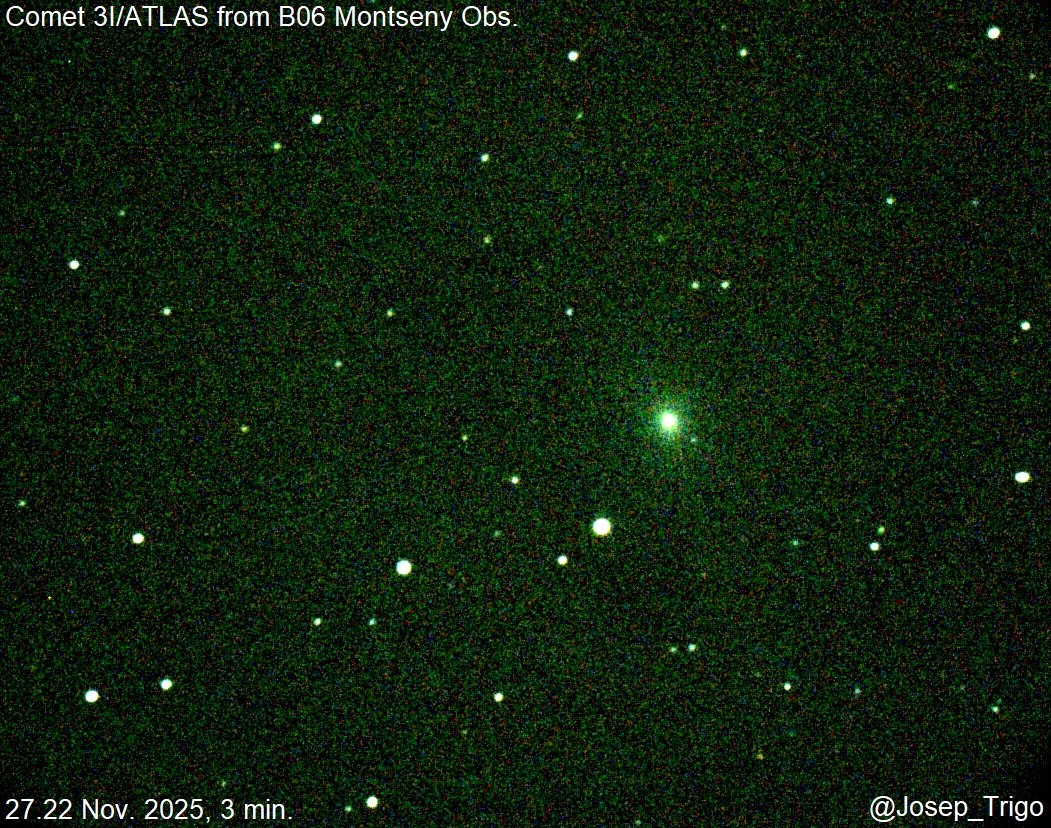
Researchers don't know which star system comet 3I/ATLAS originated from, but it has certainly travelled a long way. The comet is likely billions of years old and potentially more than 3 billion years older than our own solar system. In fact, the comet has spent so much time in space that it could be extremely irradiated, which would make deciphering its origins even more difficult.
RELATED STORIES—'From another world': 3I/ATLAS photobombs a galaxy and shows off its multiple tails in stunning new image
—Mars orbiter narrows down the exact path of interstellar comet 3I/ATLAS by 'ten-fold,' surprising scientists
—Astronomers detect first 'radio signal' from interstellar comet 3I/ATLAS — but it wasn't aliens
Trigo-Rodríguez noted that it's important to study and track interstellar comets because they are a potential collision hazard for Earth. However, he also described them as "extraordinary objects" in their own right and worthy of consideration.
They "are space capsules, containing valuable information about the chemistry ongoing in another location of our galaxy," Trigo-Rodríguez said.
TOPICS 3I/ATLAS NASA Patrick PesterSocial Links NavigationTrending News Writer
Patrick Pester is the trending news writer at Live Science. His work has appeared on other science websites, such as BBC Science Focus and Scientific American. Patrick retrained as a journalist after spending his early career working in zoos and wildlife conservation. He was awarded the Master's Excellence Scholarship to study at Cardiff University where he completed a master's degree in international journalism. He also has a second master's degree in biodiversity, evolution and conservation in action from Middlesex University London. When he isn't writing news, Patrick investigates the sale of human remains.
You must confirm your public display name before commenting
Please logout and then login again, you will then be prompted to enter your display name.
Logout Read more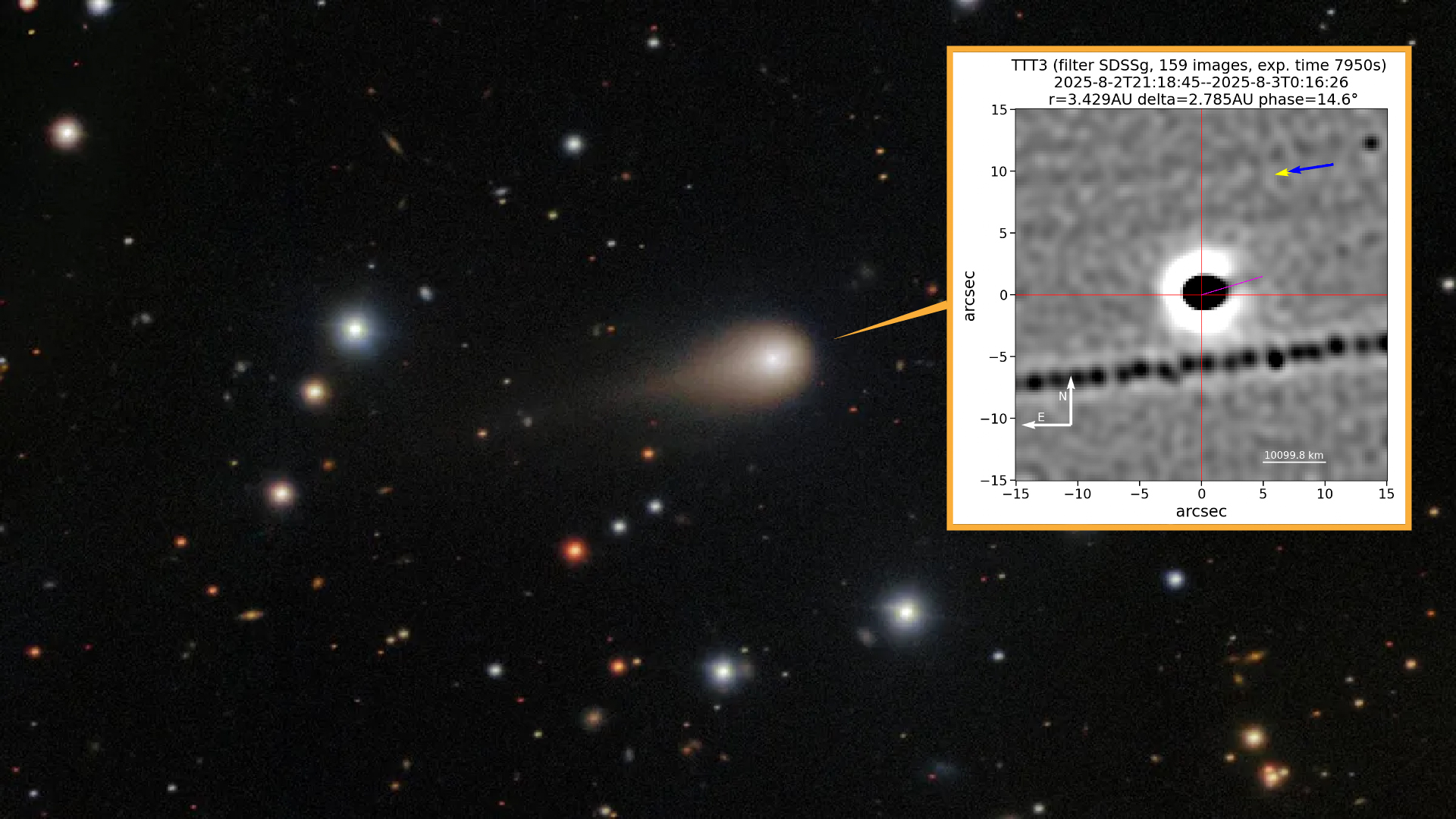 New images of interstellar object 3I/ATLAS show giant 'jet' shooting toward the sun
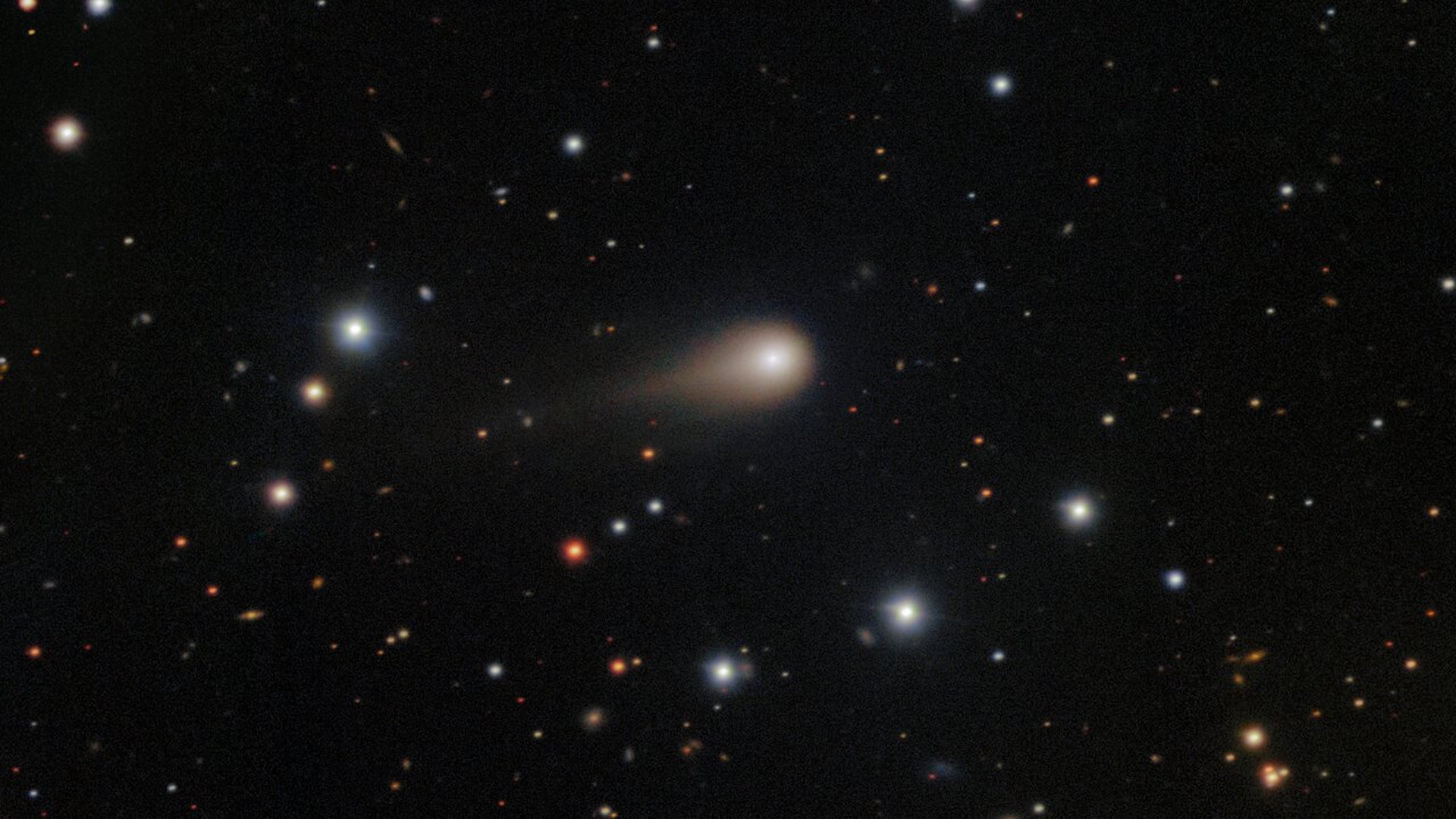 New photos of comet 3I/ATLAS reveal its tail growing before our eyes
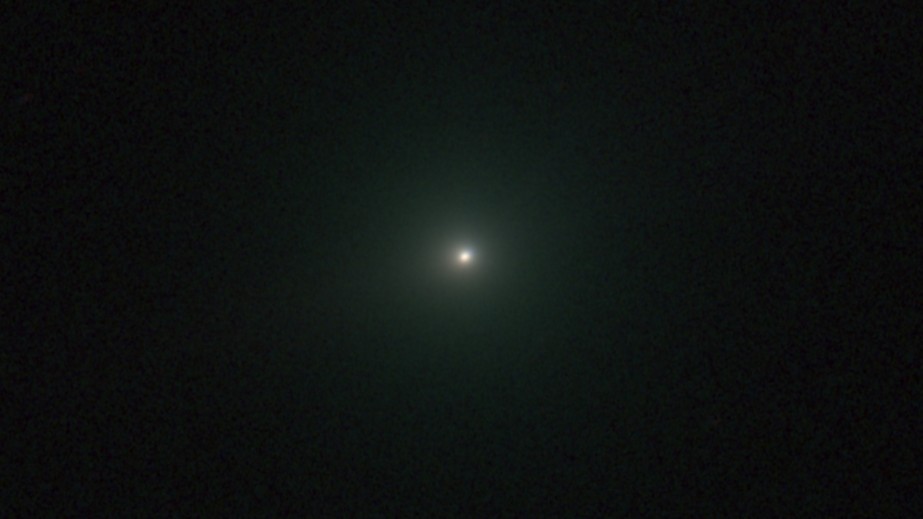 Irradiated Comet 3I/ATLAS glows green and hides its tail in new image
Comet 3I/ATLAS is losing water 'like a fire hose' on full blast
Irradiated Comet 3I/ATLAS glows green and hides its tail in new image
Comet 3I/ATLAS is losing water 'like a fire hose' on full blast
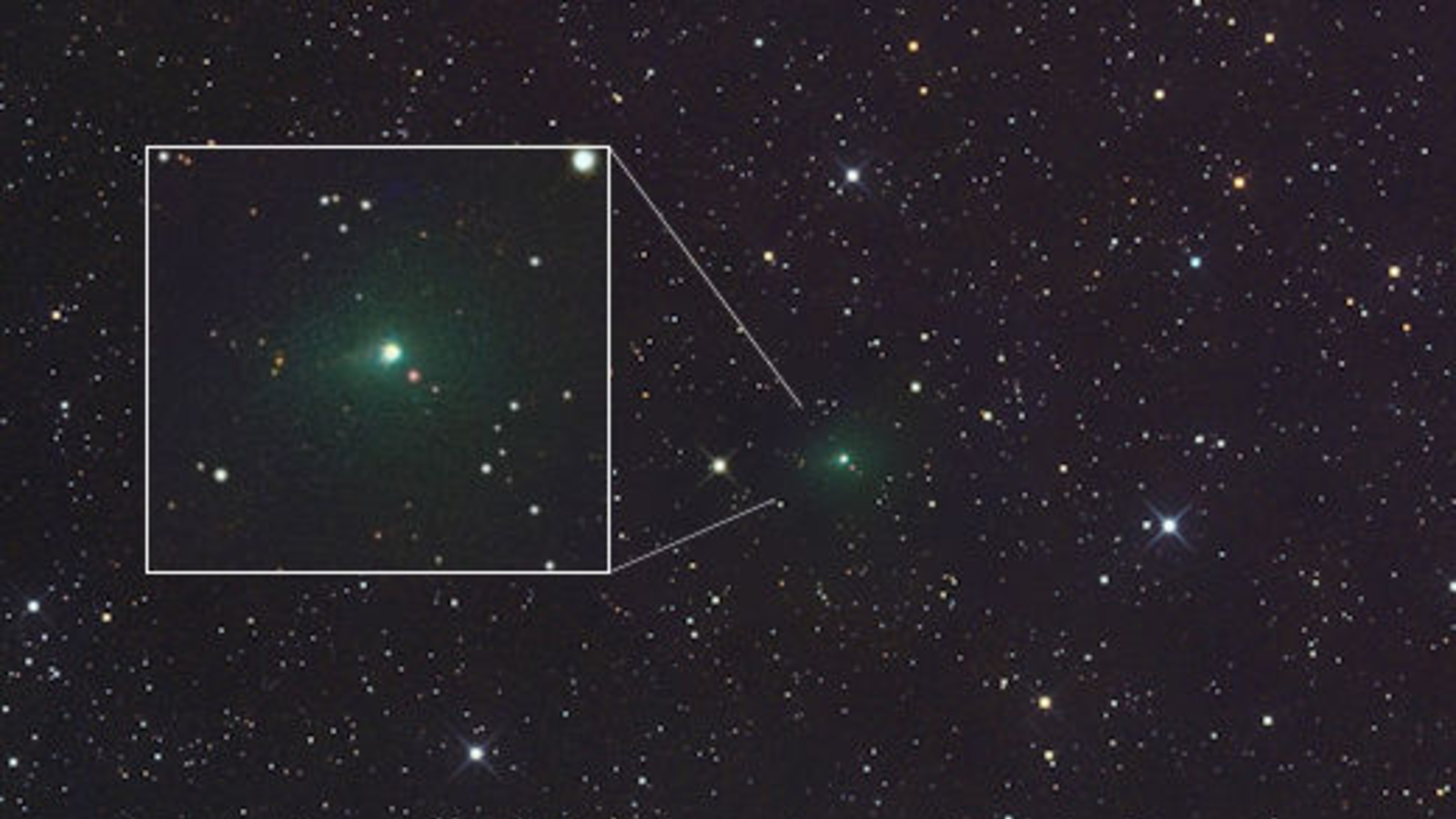 Interstellar comet 3I/ATLAS could be turning bright green, surprising new photos reveal
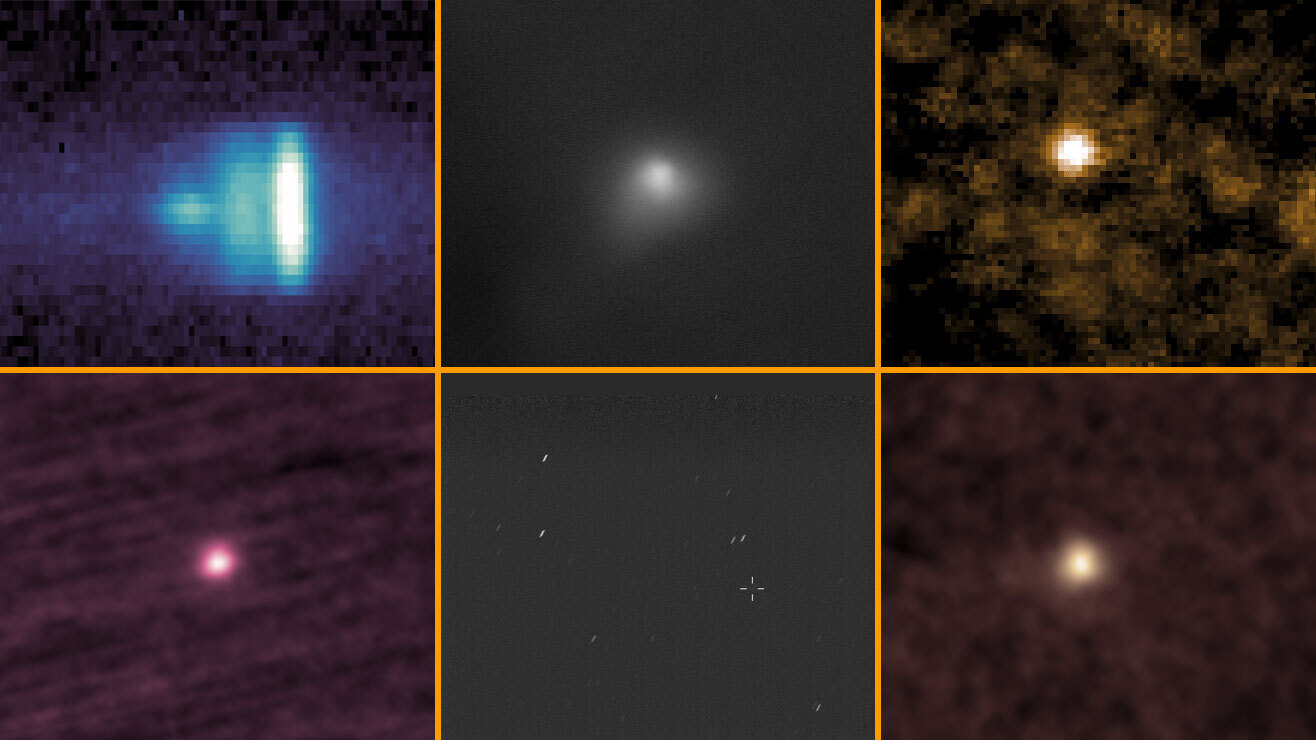 Comet 3I/ATLAS gallery: See NASA's long-awaited images of interstellar visitor
Latest in Space
Comet 3I/ATLAS gallery: See NASA's long-awaited images of interstellar visitor
Latest in Space
 Giant sunspot on par with the one that birthed the Carrington Event has appeared on the sun — and it's pointed right at Earth
 Geminids 2025: The year's best meteor shower is coming, with a second shower hot on its tail
 Giant rotating string of galaxies is 'probably the largest spinning object' in the known universe
 JWST spots a planet chasing its own atmosphere through space
 Cold Moon 2025: See the last and highest full moon of the year
 Earth had a secret neighbor, and it may explain our moon
Latest in News
Earth had a secret neighbor, and it may explain our moon
Latest in News
 CDC panel, stuffed with vaccine skeptics, votes to end recommendation for universal newborn hepatitis B vaccination
 Science news this week: A human population isolated for 100,000 years, the biggest spinning structure in the universe, and a pit full of skulls
 Male human heads found in a 'skull pit' in an ancient Chinese city hint at sex-specific sacrifice rituals
 Could aging eggs be 'rejuvenated'? New tool may help pave the way to fertility-extending treatments
 Injecting anesthetic into a 'lazy eye' may correct it, early study suggests
 Volcanic eruption triggered 'butterfly effect' that led to the Black Death, researchers find
LATEST ARTICLES
Volcanic eruption triggered 'butterfly effect' that led to the Black Death, researchers find
LATEST ARTICLES 1Science history: Female chemist initially barred from research helps helps develop drug for remarkable-but-short-lived recovery in children with leukemia — Dec. 6, 1954
- 2Science news this week: A human population isolated for 100,000 years, the biggest spinning structure in the universe, and a pit full of skulls
- 3CDC panel, stuffed with vaccine skeptics, votes to end recommendation for universal newborn hepatitis B vaccination
- 4Giant sunspot on par with the one that birthed the Carrington Event has appeared on the sun — and it's pointed right at Earth
- 5A huge helium shortage is looming — but ancient rocks in Earth's crust may be hiding massive reservoirs