
- Planet Earth
- Rivers & Oceans
When humans manage to cut enough emissions and eventually reduce global temperatures, new research shows the Southern Ocean could kick warming back into gear.
0 Comments Join the conversationWhen you purchase through links on our site, we may earn an affiliate commission. Here’s how it works.
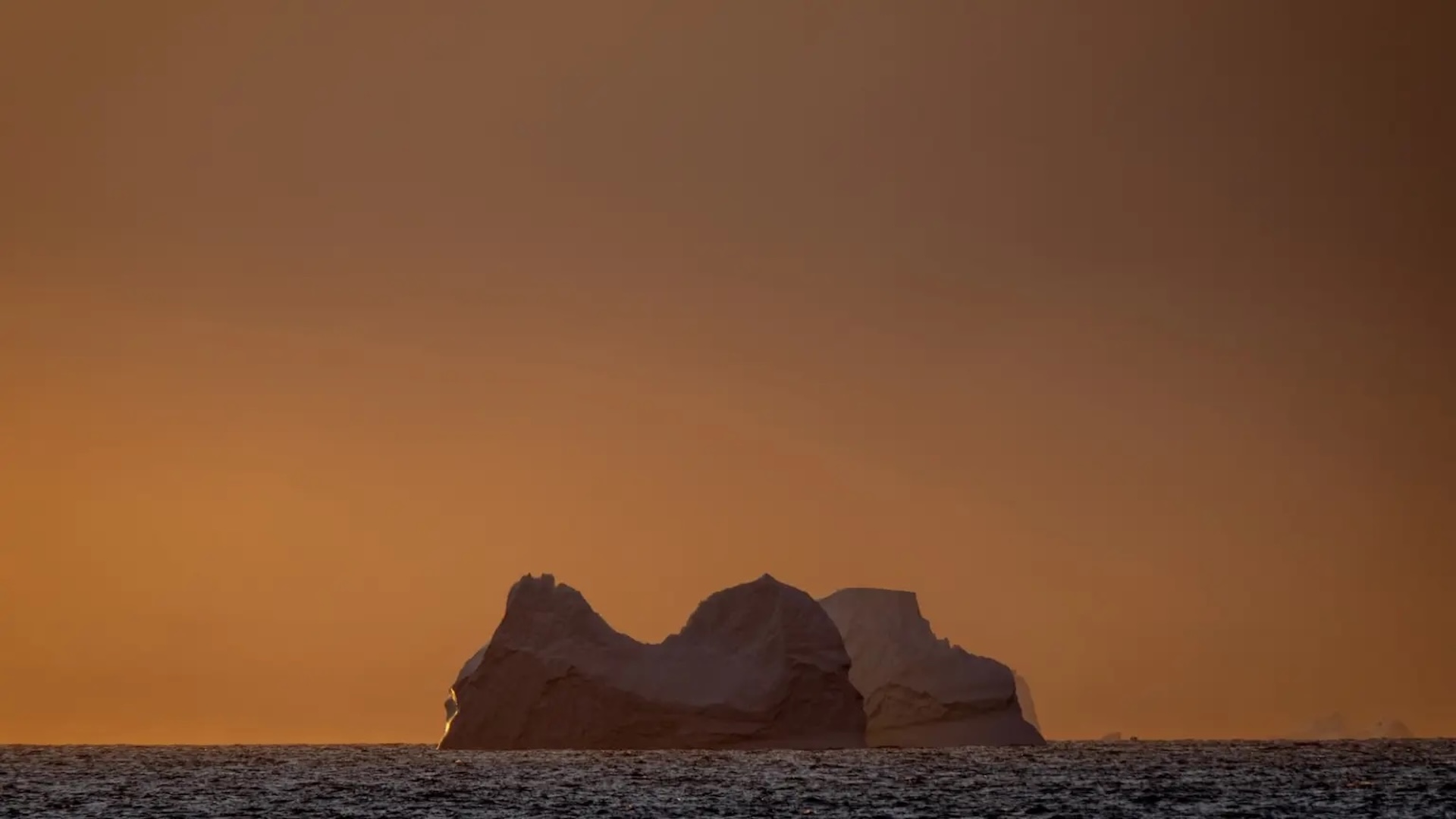 The Southern Ocean has been storing heat. It could be released in a giant, 100-year "burp."
(Image credit: Sebnem Coskun / Anadolu via Getty Images)
The Southern Ocean has been storing heat. It could be released in a giant, 100-year "burp."
(Image credit: Sebnem Coskun / Anadolu via Getty Images)
Consider your morning cup of coffee. Your kettle's heating element — or flame on a stove — warms up water that you infuse with beans and pour into a mug. Maybe you get busy and the cup of joe sits there for a while, releasing its heat into the atmosphere of the room, until it reaches equilibrium with the indoor temperature. In other words: It got cold.
Now consider that the expansive Southern Ocean, which wraps around Antarctica, could one day do much the same thing. Since the Industrial Revolution kicked off, humans have dialed up the kettle to its max, adding extraordinary amounts of heat into the atmosphere, more than 90 percent of which has been absorbed by the sea. (It's also taken up a quarter of our CO2 emissions.) Under climate change, the Southern Ocean has been storing warmth which, like your morning jolt, can't stay there forever, and will someday return to the atmosphere.
New modeling suggests that this "burp" of heat — the scientists called it that, by the way — could be abrupt. In a scenario where humanity eventually reduces its greenhouse gas emissions and then goes "net negative," finding ways to remove those planet-warming pollutants from the atmosphere, global temperatures fall. But suddenly the Southern Ocean belches its accumulated heat, leading to a rate of planetary warming similar to what humanity is causing right now. And the thermal burping would continue for at least a century.
You may like-
 Hidden, supercharged 'thermostat' may cause Earth to overcorrect for climate change
-
 Methane leaks multiplying beneath Antarctic ocean spark fears of climate doom loop
-
 'Serious adverse and unintended consequences': Polar geoengineering isn't the answer to climate change
Put another way: According to this modeling, at least, humans figure out a way to reverse climate change, only to see the Southern Ocean essentially restart it. While there would be nothing our descendants could do to stop this — since the warming would be driven by already stored heat — the calculations are yet another urgent call to reduce that pollution as quickly and dramatically as possible.
This sudden eructation is not a sure thing, however — it's the prediction of a model. But it's a step toward understanding how the planet could respond as humans continue to manipulate the climate, both warming and cooling it. "The question is: How will the climate system, and specifically the ocean, react to scenarios where we remove CO2 from the atmosphere, and when we have a net global cooling effect?" said Svenja Frey, an oceanography PhD student at Germany's GEOMAR Helmholtz Centre for Ocean Research Kiel and coauthor of the paper.
The Southern Ocean may encircle the frozen continent of Antarctica, but it's very effective at storing heat: It alone holds around 80 percent of the warmth that's taken up by all the oceans. Some of this comes from currents that transport relatively toasty waters south, but also lots of upwelling in the Southern Ocean brings cold water to the surface to be warmed up.
The skies above the Southern Ocean are also somewhat less reflective than elsewhere around the globe. Cargo ships and industries in the Northern Hemisphere spew air pollution in the form of aerosols, which themselves bounce solar energy back into the cosmos and help brighten clouds, which reflect still more. That cooling phenomenon has vied, in a sense, with the warming that's come from the burning of fossil fuels. "That competition hasn't been as prevalent over the Southern Hemisphere, because it's this slightly more pristine atmosphere," said Ric Williams, an ocean and climate scientist at the University of Liverpool, who studies the Southern Ocean but wasn't involved in the paper.
Sign up for the Live Science daily newsletter nowContact me with news and offers from other Future brandsReceive email from us on behalf of our trusted partners or sponsorsBy submitting your information you agree to the Terms & Conditions and Privacy Policy and are aged 16 or over.In the scenario the researchers modeled, the atmospheric concentration of CO2 increases by 1 percent every year until the total amount is double what the planet had before the Industrial Revolution. Then negative emissions technologies reduce the carbon concentration by 0.1 percent annually. (The study didn't look a specific techniques, but one option is direct air capture of CO2, though this remains expensive and limited in scale.) In response, the atmosphere, land, and oceans cool.
But something starts brewing in the Southern Ocean. Its surface becomes colder, but also saltier due to the formation of new sea ice: When sea water freezes, it rejects its salt, which is then absorbed into the surrounding waters and makes the surface layer heavier. "At the same time, we have these warm, deeper waters," Frey said. "At some point, the water column becomes unstable, and that's when we have the deep convection event."
RELATED STORIES—Atlantic ocean currents are weakening — and it could make the climate in some regions unrecognizable
—96% of oceans worldwide experienced extreme heatwaves in 2023, new study finds
—Arctic Ocean methane 'switch' that helped drive rapid global warming discovered
In other words, a burp. It's just one way that our planet's extraordinarily complex and intertwining systems might respond to rising and falling emissions in the centuries ahead. "There's very large uncertainty in the Earth system response to net-negative emissions — we don't understand that very well," said Simon Fraser University climate scientist Kirsten Zickfeld, who studies these dynamics but wasn't involved in the new paper. "We may well encounter surprises along the way, as this paper shows."
To be clear, in this scenario, removing atmospheric carbon significantly reduces global temperatures, even factoring in the burp. And the faster we move away from fossil fuels, the less CO2 we'll have to remove down the line. "Doing negative emissions and reducing our carbon load in the atmosphere is a good thing," Williams said. "I would just add that, rather than do negative emissions, it's better not to do the positive emissions in the first place."
This story was originally published by Grist. Sign up for Grist’s weekly newsletter here.
TOPICS carbon dioxide Matt SimonSenior Staff Writer, Grist
Matt Simon is a senior writer at Grist, covering climate solutions. Prior to that, he spent over a decade at Wired magazine. He's the author of three books, most recently "A Poison Like No Other: How Microplastics Corrupted Our Planet and Our Bodies."
You must confirm your public display name before commenting
Please logout and then login again, you will then be prompted to enter your display name.
Logout Read more Hidden, supercharged 'thermostat' may cause Earth to overcorrect for climate change
 Methane leaks multiplying beneath Antarctic ocean spark fears of climate doom loop
 'Serious adverse and unintended consequences': Polar geoengineering isn't the answer to climate change
 Global warming is forcing Earth's systems toward 'doom loop' tipping points. Can we avoid them?
 Massive system of rotating ocean currents in the North Atlantic is behaving strangely — and it may be reaching a tipping point
 22 of Earth's 34 'vital signs' are flashing red, new climate report reveals — but there's still time to act
Latest in Rivers & Oceans
22 of Earth's 34 'vital signs' are flashing red, new climate report reveals — but there's still time to act
Latest in Rivers & Oceans
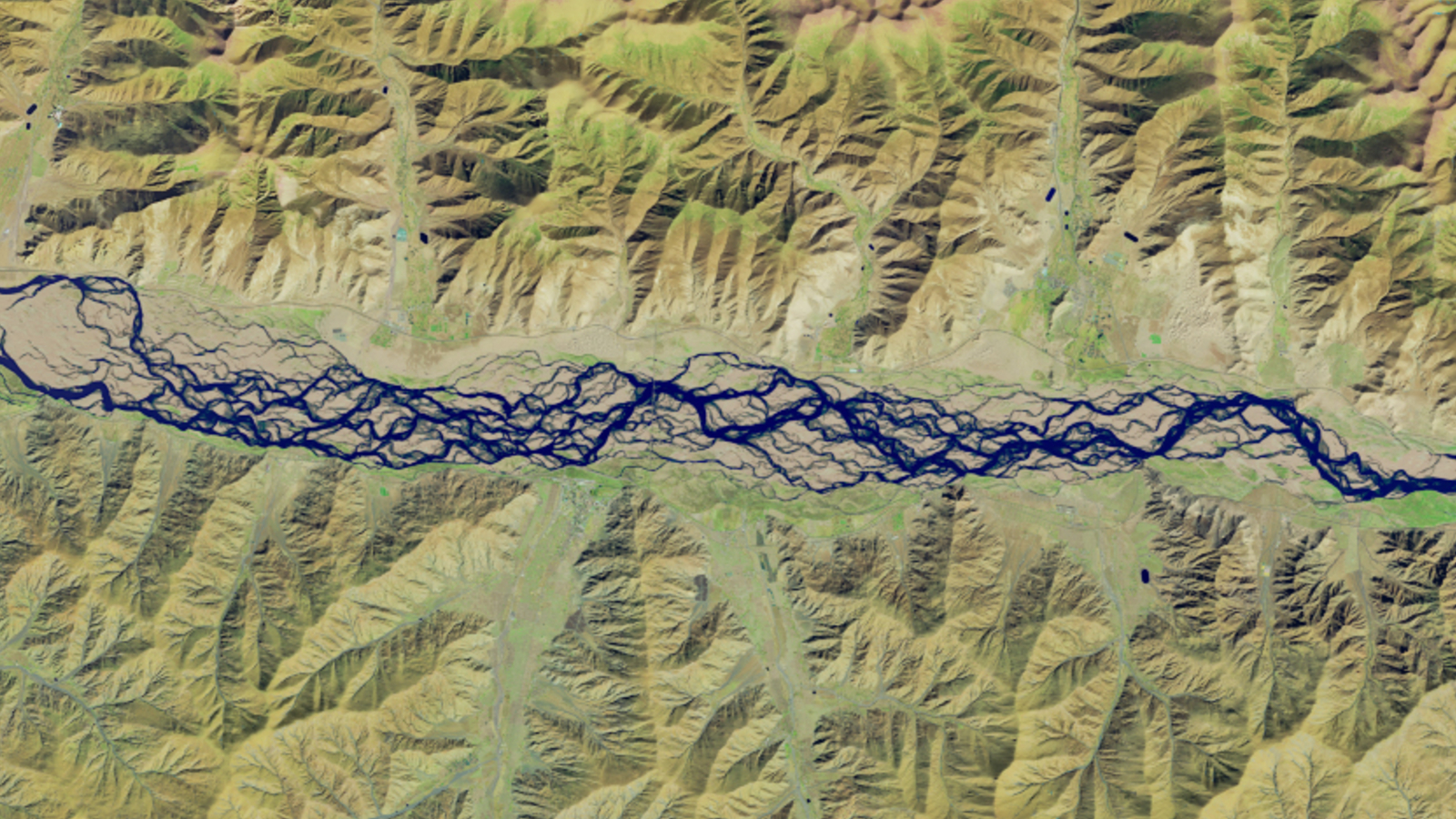 Shapeshifting 'braided river' in Tibet is the highest in the world, and is becoming increasingly unstable
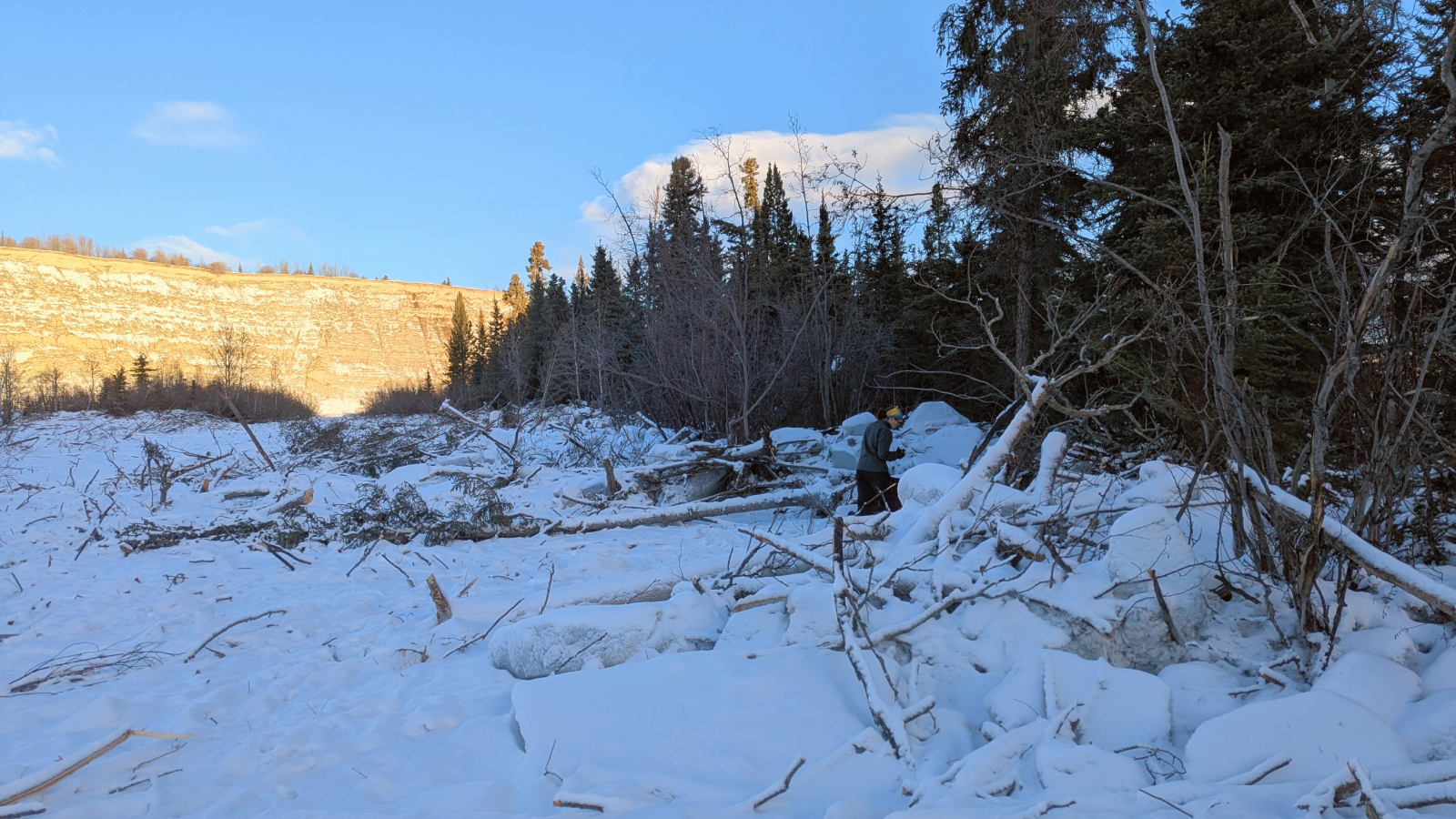 An 'ice tsunami' in 2024 ripped through the Yukon with such force it tore up trees and the riverbed
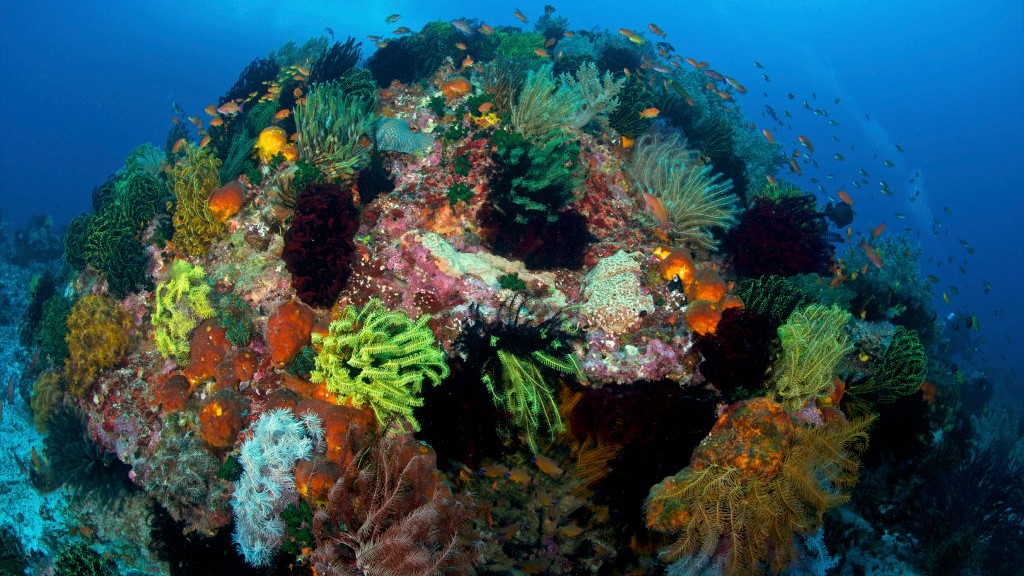 Coral Triangle: The giant hidden 'Amazon' beneath the sea that appears somewhat resilient to climate change
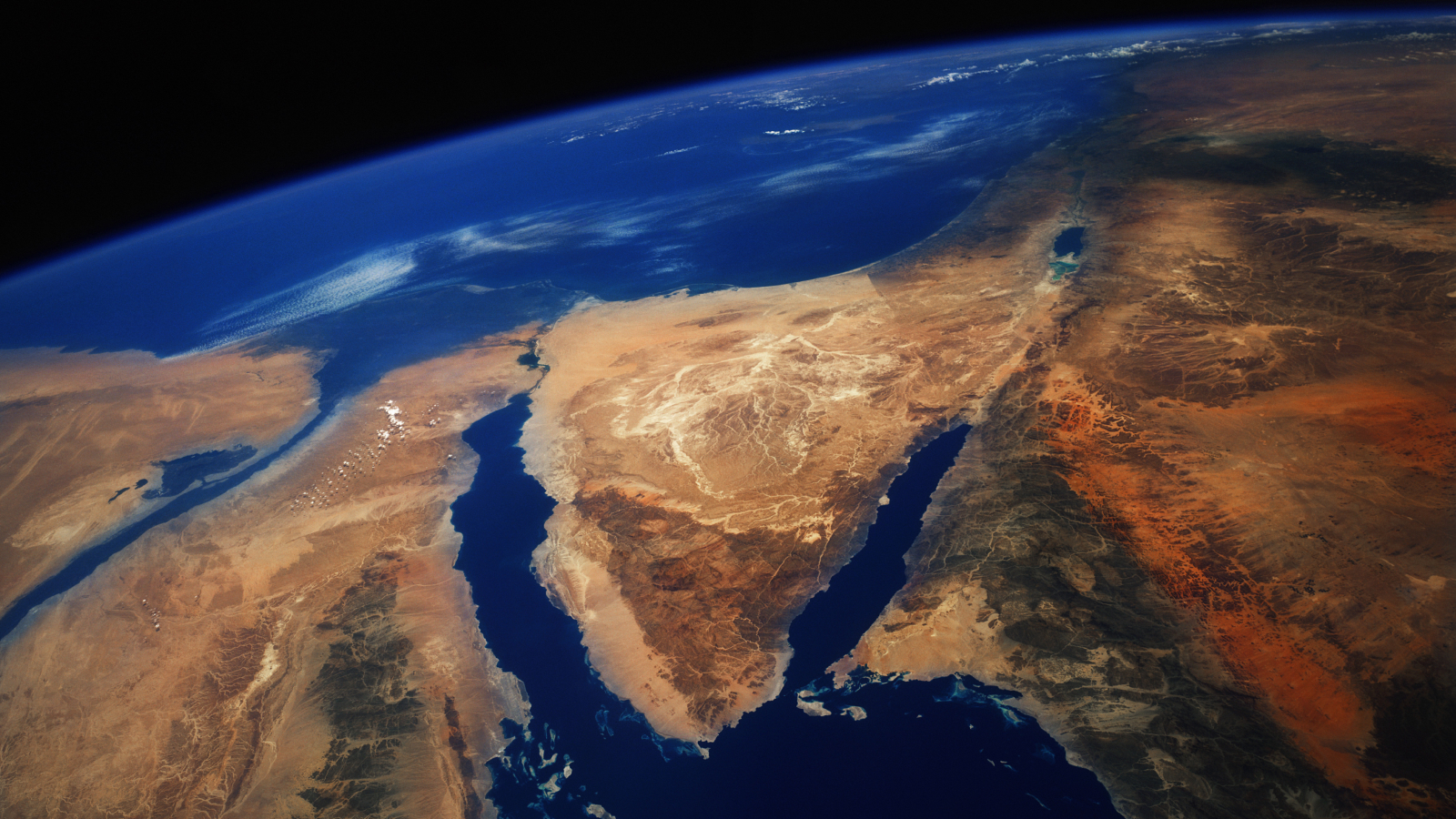 The Red Sea experienced 'one of the most extreme environmental events on Earth' 6 million years ago
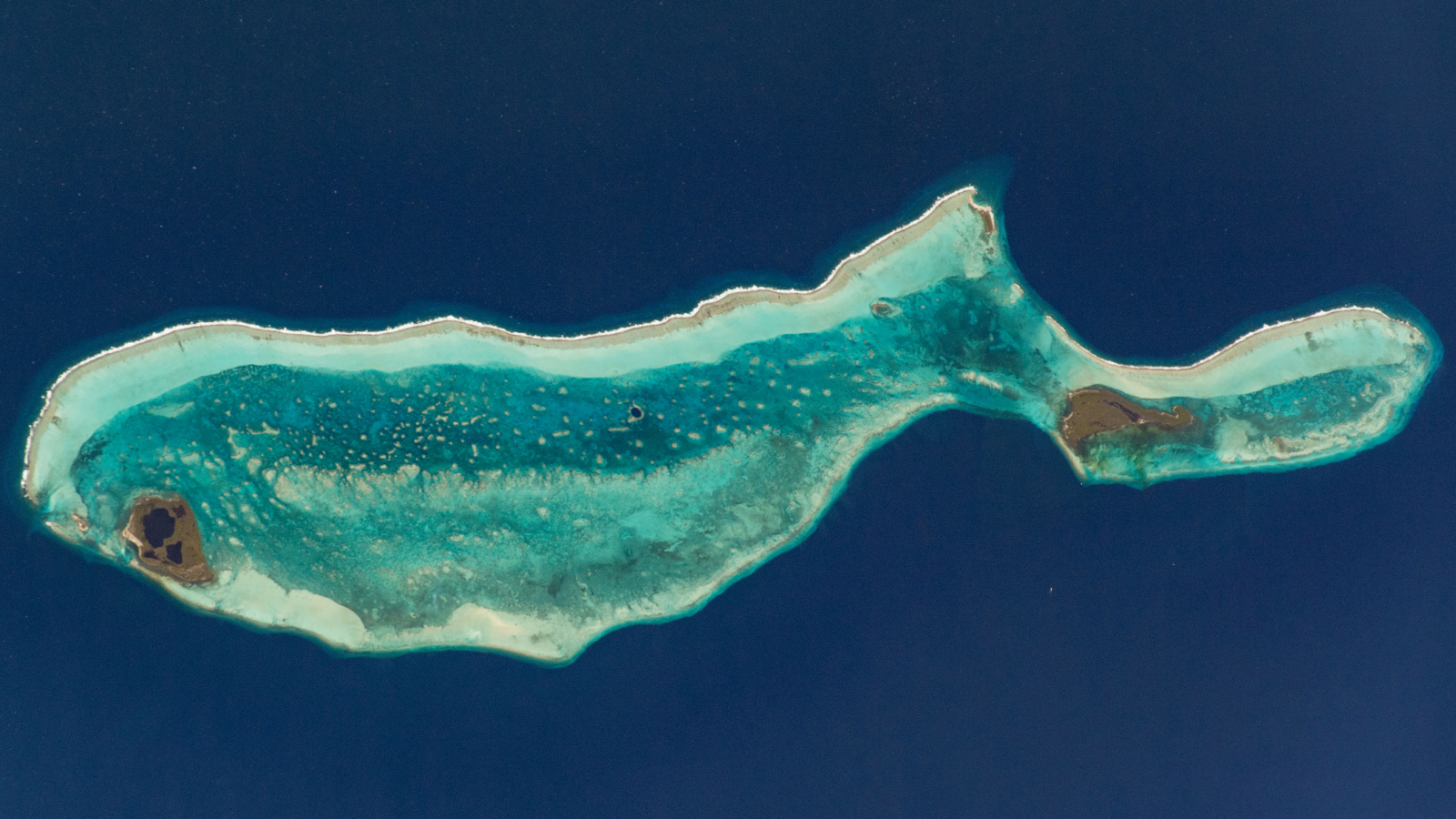 The whale-shaped island in Belize with a 'great blue blowhole'
Massive system of rotating ocean currents in the North Atlantic is behaving strangely — and it may be reaching a tipping point
Latest in News
The whale-shaped island in Belize with a 'great blue blowhole'
Massive system of rotating ocean currents in the North Atlantic is behaving strangely — and it may be reaching a tipping point
Latest in News
 Giant rotating string of 14 galaxies is 'probably the largest spinning object' in the known universe
 Ancient 'hanging coffin' people in China finally identified — and their descendants still live there today
 'An extreme end of human genetic variation': Ancient humans were isolated in southern Africa for nearly 100,000 years, and their genetics are stunningly different
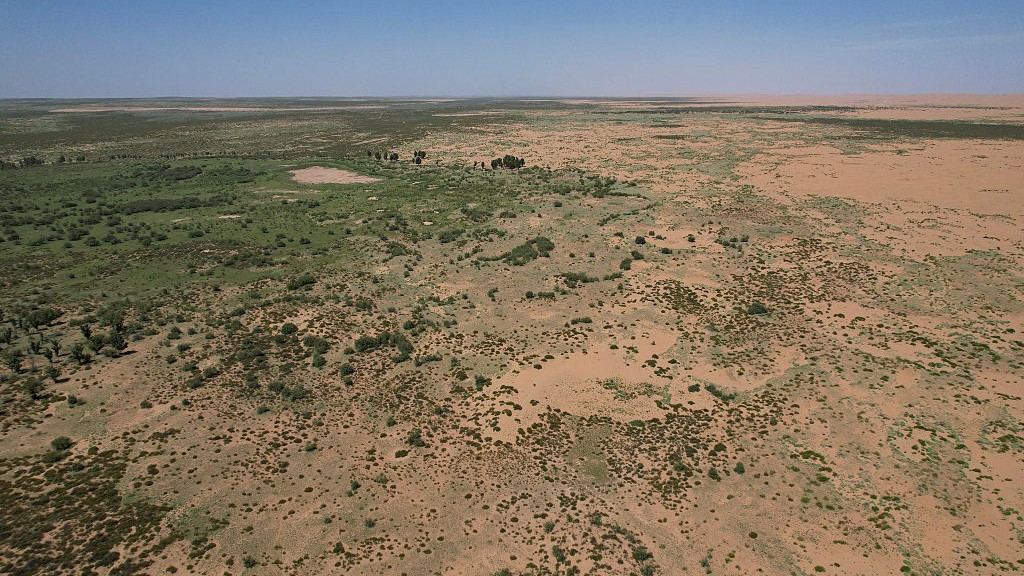 China has planted so many trees it's changed the entire country's water distribution
 Death Valley's 'world's hottest temperature' record may be due to a human error
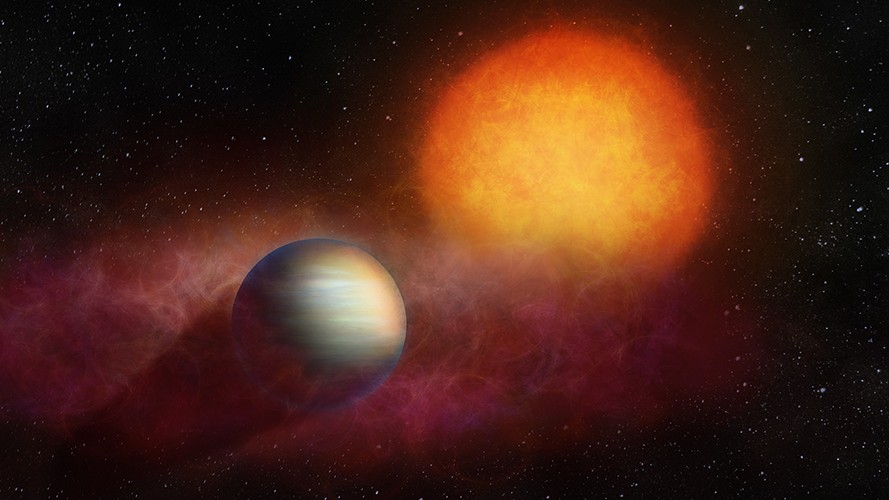 JWST spots a planet chasing its own atmosphere through space
LATEST ARTICLES
JWST spots a planet chasing its own atmosphere through space
LATEST ARTICLES- 1Giant rotating string of 14 galaxies is 'probably the largest spinning object' in the known universe
- 2Ancient 'hanging coffin' people in China finally identified — and their descendants still live there today
- 3'An extreme end of human genetic variation': Ancient humans were isolated in southern Africa for nearly 100,000 years, and their genetics are stunningly different
- 4China has planted so many trees it's changed the entire country's water distribution
- 5Death Valley's 'world's hottest temperature' record may be due to a human error

