- Planet Earth
- Climate change
Rising sea levels and storm surges from hurricanes will bring more frequent extreme floods to northeastern U.S. states, including Connecticut, New York and New Jersey.
0 Comments Join the conversationWhen you purchase through links on our site, we may earn an affiliate commission. Here’s how it works.
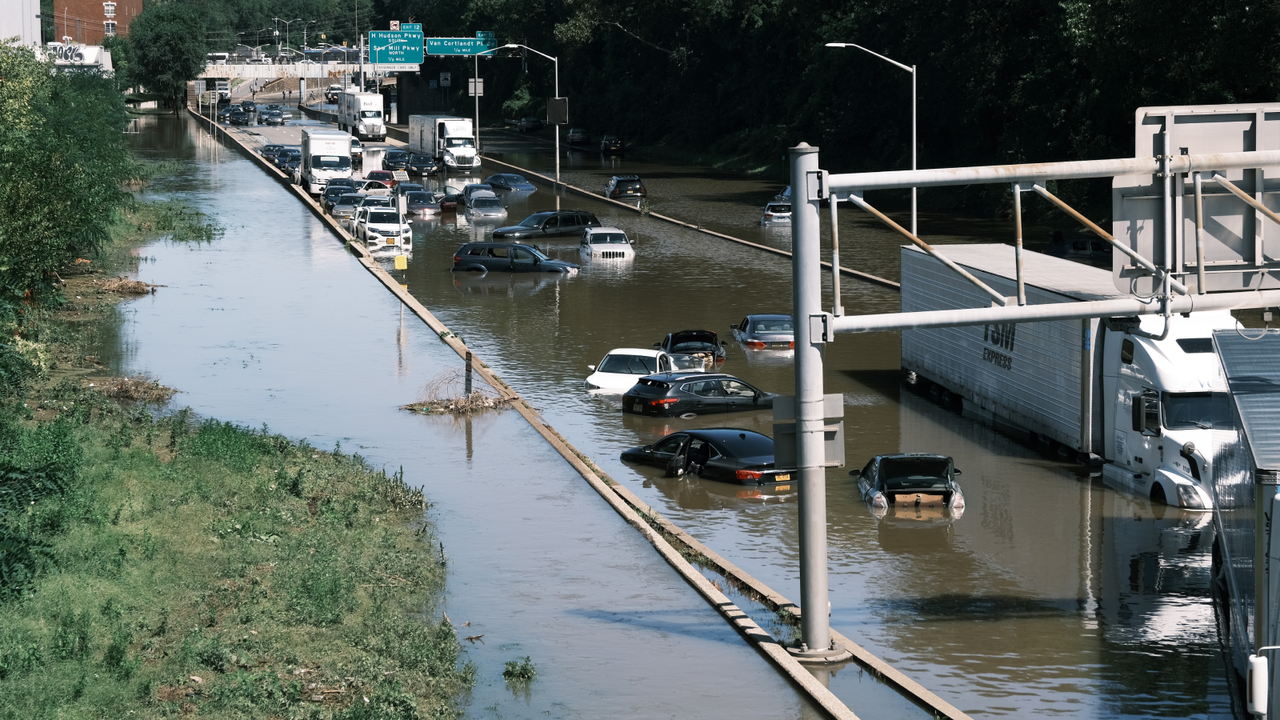
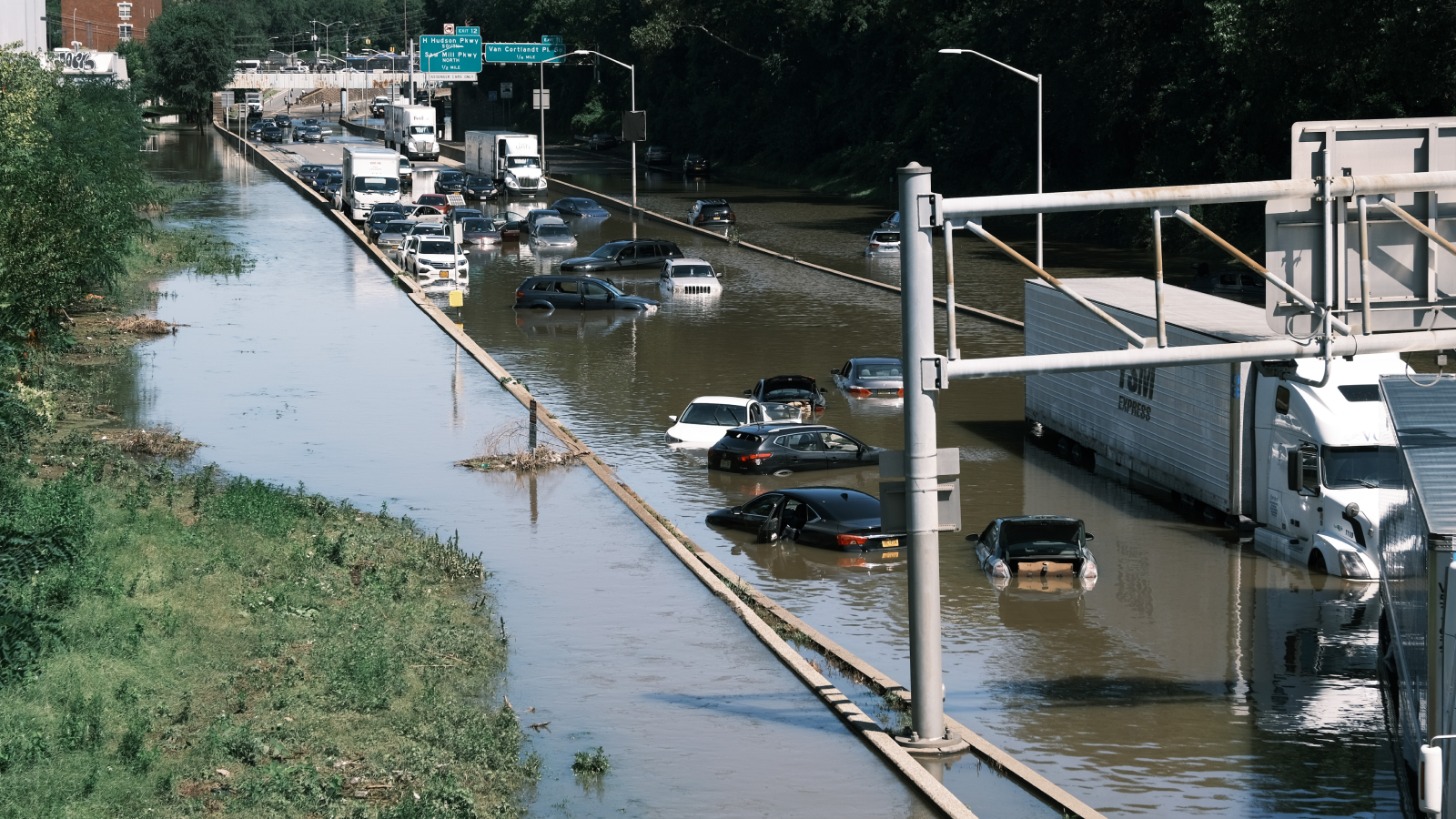 Flooding in the Bronx in the aftermath of Hurricane Ida, which hit New York in 2021. Hurricanes and rising sea levels will mean the northeastern US coast will be hit by floods far more regularly, according to a new model.
(Image credit: Photo by Spencer Platt/Getty Images)
Flooding in the Bronx in the aftermath of Hurricane Ida, which hit New York in 2021. Hurricanes and rising sea levels will mean the northeastern US coast will be hit by floods far more regularly, according to a new model.
(Image credit: Photo by Spencer Platt/Getty Images)
Extreme flooding events caused by hurricanes that used to happen once every 100 years in the northeastern U.S. may become annual occurrences by the end of this century, according to a new study.
Researchers wanted to predict how the changing behavior of hurricanes — they are expected to become more frequent and more intense — and sea level rise as a result of climate change will alter the risks of flooding in the region over the next several decades.
You may like-
 Extreme weather caused more than $100 billion in damage by June — smashing US records
-
 'An increasing attack on water resources from multiple fronts': Scientists warn 'day zero droughts' could hit before 2030
-
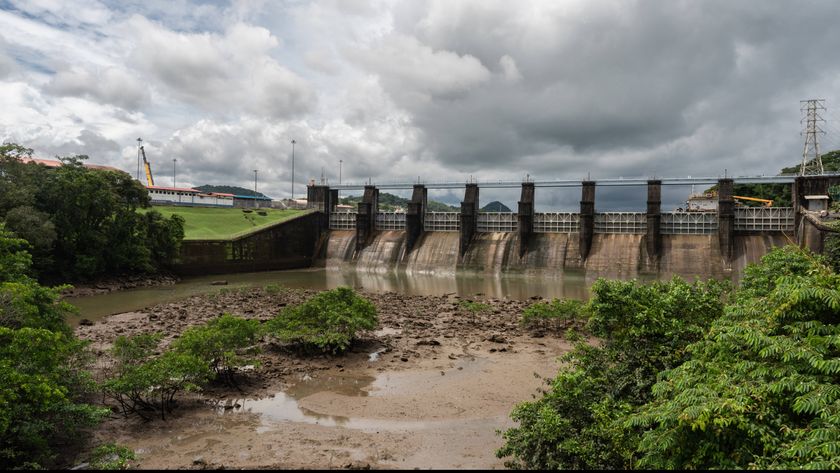 The Panama Canal needs a staggering amount of water to operate. Climate change could threaten that, study warns
The researchers also adjusted their model to take into account the angle at which storms hit the coast. Most hurricanes that affect the northeast move parallel to the coast, but some, like Hurricane Sandy in 2012, hit it head-on, and can cause much more damage. "Those are extreme but rare," Begmohammadi said.
The model predicts that both sea level rise and changing storm features could make extreme flood events more frequent. Historical 100-year coastal flooding could happen every year by the end of the century, while historical 500-year floods may come every 1 to 60 years under a moderate carbon emissions scenario, and every 1 to 20 years under higher emissions. In more northern areas like Connecticut and New York, sea level rise may be the main driver of the increased flood risk, while storm changes are less important. Further south, in areas like New Jersey and Virginia, both factors may contribute significantly to higher flood risks.
The findings were published Nov. 7 in the journal Earth's Future.
Jeff Ollerhead, a coastal geomorphologist at Mount Allison University in Sackville, Canada, said that the study highlights how scientific uncertainty is the least important variable in predicting future climate risks. Ollerhead, who was not involved in the study, told Live Science that the majority of the variation in models comes from the "social uncertainty" of not knowing what emissions pathway the world will go down. "We don't know what people are going to do," he said, referring to how political leaders will respond to the climate crisis. "That's the biggest uncertainty."
Sign up for the Live Science daily newsletter nowContact me with news and offers from other Future brandsReceive email from us on behalf of our trusted partners or sponsorsBy submitting your information you agree to the Terms & Conditions and Privacy Policy and are aged 16 or over.The new study focused on the strength and frequency of hurricanes. For the more northern stretch of the coast, said Ollerhead, the impact of sea level rise means it almost won't matter if storms become more powerful because even smaller storms will be able to cause extensive flooding. So even if the frequency and power of storms remains roughly the same, the effect of each storm will increase as sea levels continue to rise.
Hurricane Fiona, which hit Ollerhead's region of Atlantic Canada in 2022, had storm surges of close to 6.5 feet (2 meters). But if sea levels rise by 3.3 feet (1 m) over the next 50 years or so, then a storm just half as powerful could cause similar damage. "It will take much smaller events to put water in your back yard," he said. "And they might happen every couple of years."
RELATED STORIES—Global warming is forcing Earth's systems toward 'doom loop' tipping points. Can we avoid them?
—Sink or swim? What will human migration look like as climate change impacts take hold
—Climate change is real. It's happening. And it's time to make it personal.
To prepare for this new reality, people living near the coast will have to adapt to more frequent flooding. The best defence, said Ollerhead, is to move up and back — to higher ground further from the coast. But not every community will be willing or able to do so, and it will be important to update building codes to take into account the changing conditions.
"People who design for resilience do so using the 100-year events, but they're not designing for the future changes,” said Begmohammadi. "A 100-year event now is not the same as one in the future."
 Brian OwensLive Science Contributor
Brian is an award-winning freelance science journalist based in New Brunswick, Canada.His work has appeared in New Scientist, Scientific American, Nature, Science, and more.
You must confirm your public display name before commenting
Please logout and then login again, you will then be prompted to enter your display name.
Logout Read more Extreme weather caused more than $100 billion in damage by June — smashing US records
 'An increasing attack on water resources from multiple fronts': Scientists warn 'day zero droughts' could hit before 2030
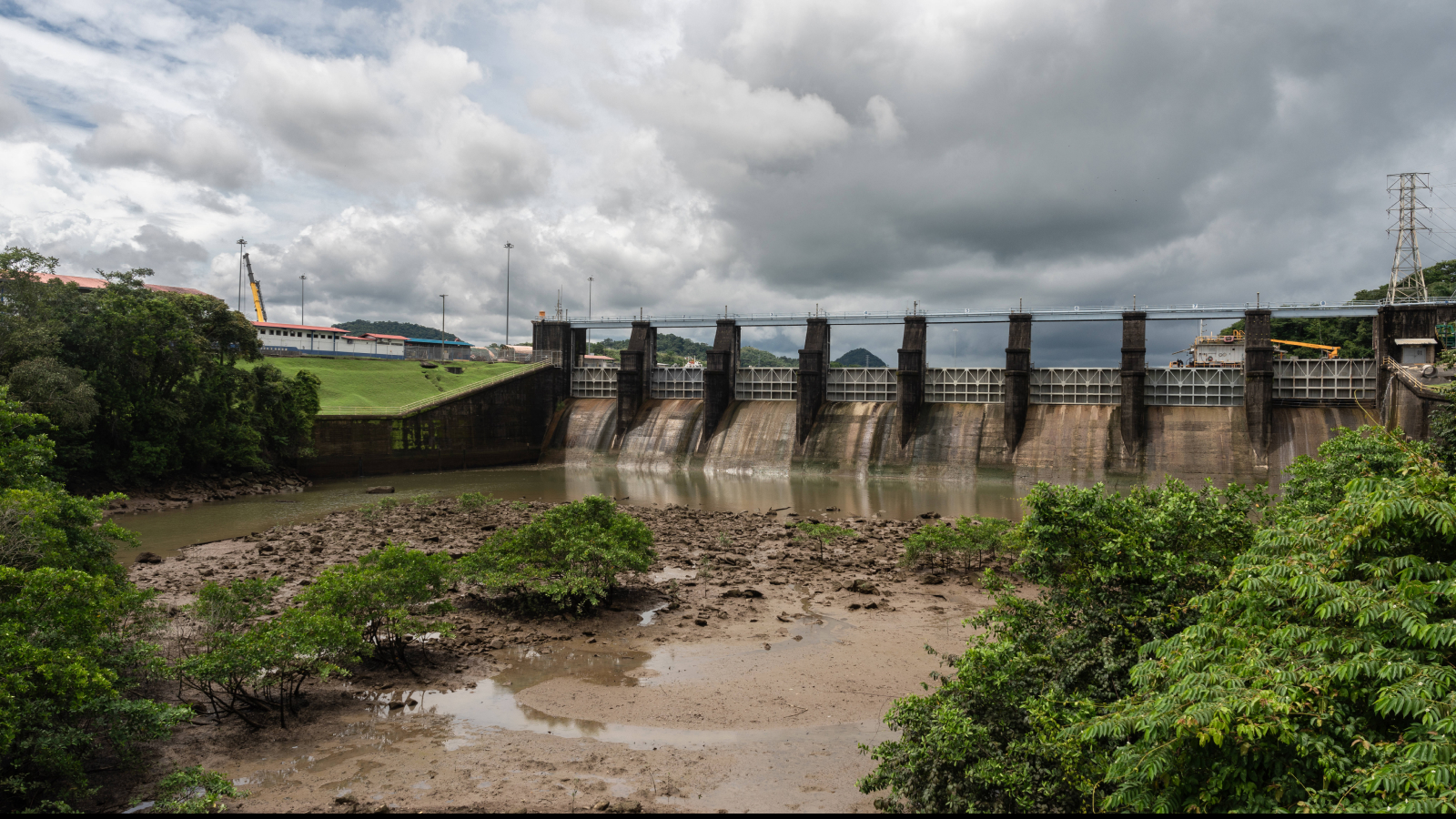 The Panama Canal needs a staggering amount of water to operate. Climate change could threaten that, study warns
 Wildfire-smoke-related deaths in the US could climb to 70,000 per year by 2050 due to climate change, study finds
 It's official: The world will speed past 1.5 C climate threshold in the next decade, UN says
 'Near stationary' Tropical Storm Melissa is moving slower than a person walking — and it may bring deadly flash floods to the Caribbean
Latest in Climate change
'Near stationary' Tropical Storm Melissa is moving slower than a person walking — and it may bring deadly flash floods to the Caribbean
Latest in Climate change
 Climate change is real. It's happening. And it's time to make it personal.
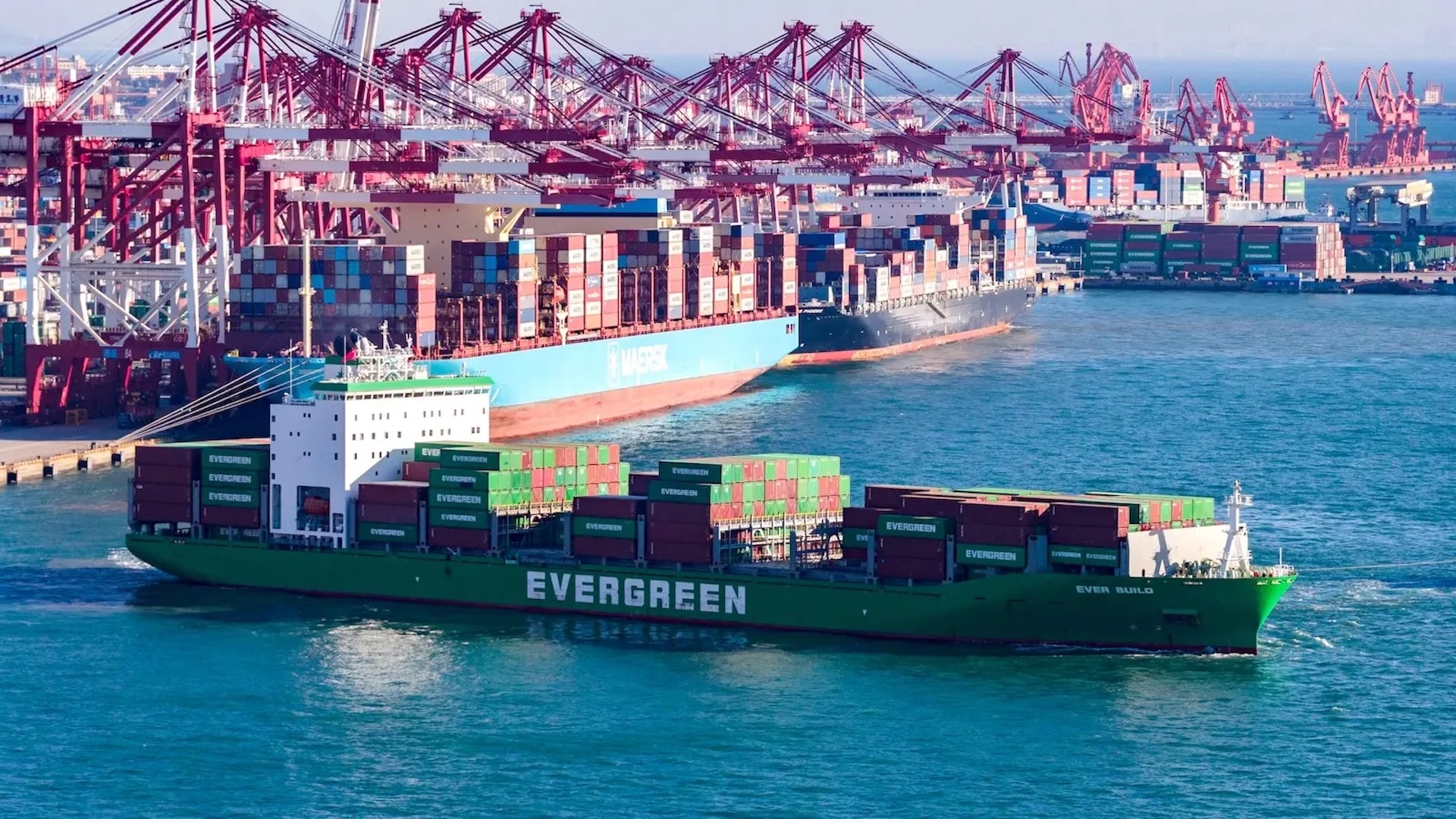 World's first global carbon tax was about to be introduced. Trump dealt a 'devastating blow' to the deal.
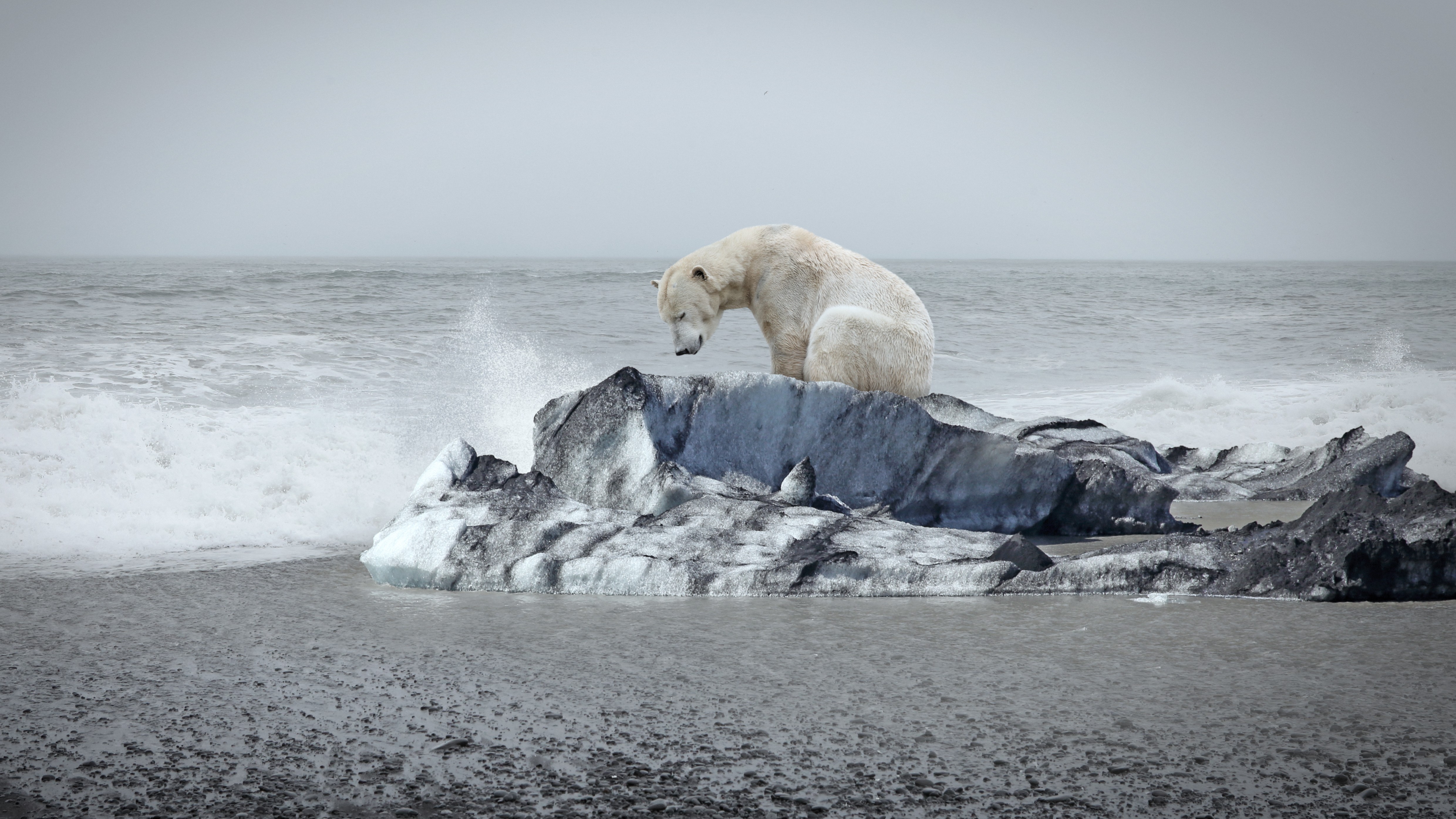 Global warming is forcing Earth's systems toward 'doom loop' tipping points. Can we avoid them?
It's official: The world will speed past 1.5 C climate threshold in the next decade, UN says
Global warming is forcing Earth's systems toward 'doom loop' tipping points. Can we avoid them?
It's official: The world will speed past 1.5 C climate threshold in the next decade, UN says
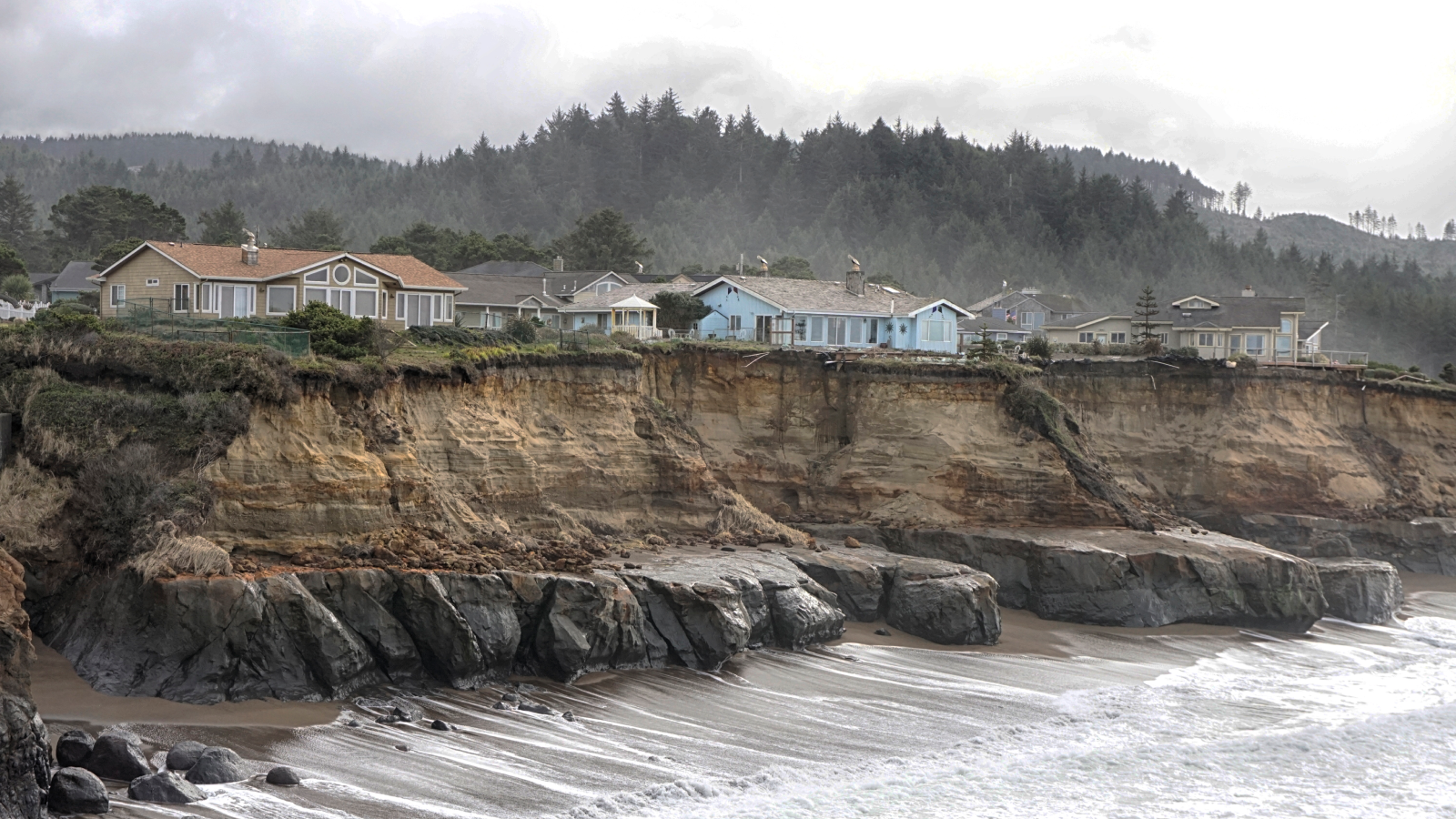 Sink or swim? What will human migration look like as climate change impacts take hold
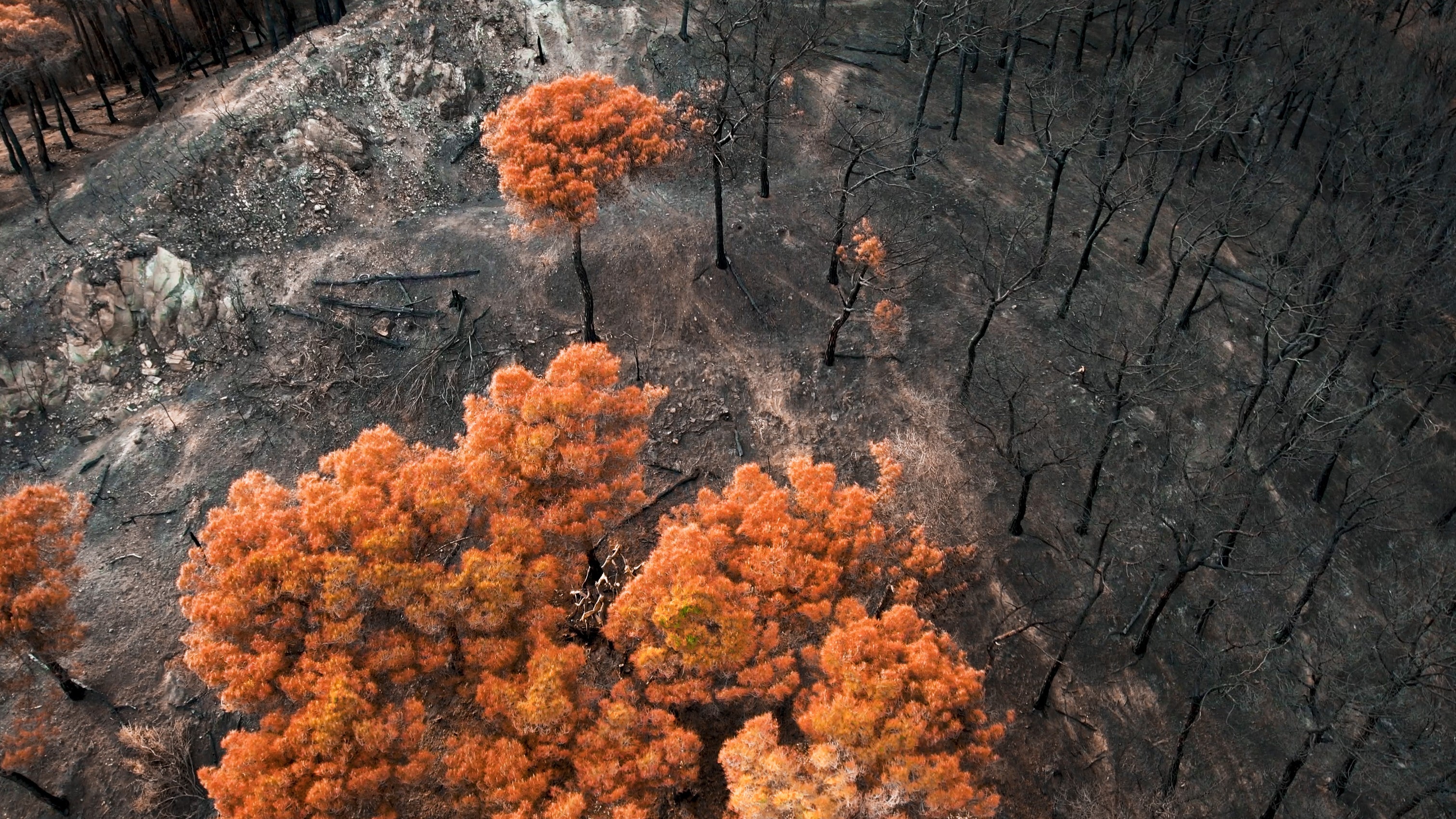 22 of Earth's 34 'vital signs' are flashing red, new climate report reveals — but there's still time to act
Latest in News
22 of Earth's 34 'vital signs' are flashing red, new climate report reveals — but there's still time to act
Latest in News
 Giant rotating string of 14 galaxies is 'probably the largest spinning object' in the known universe
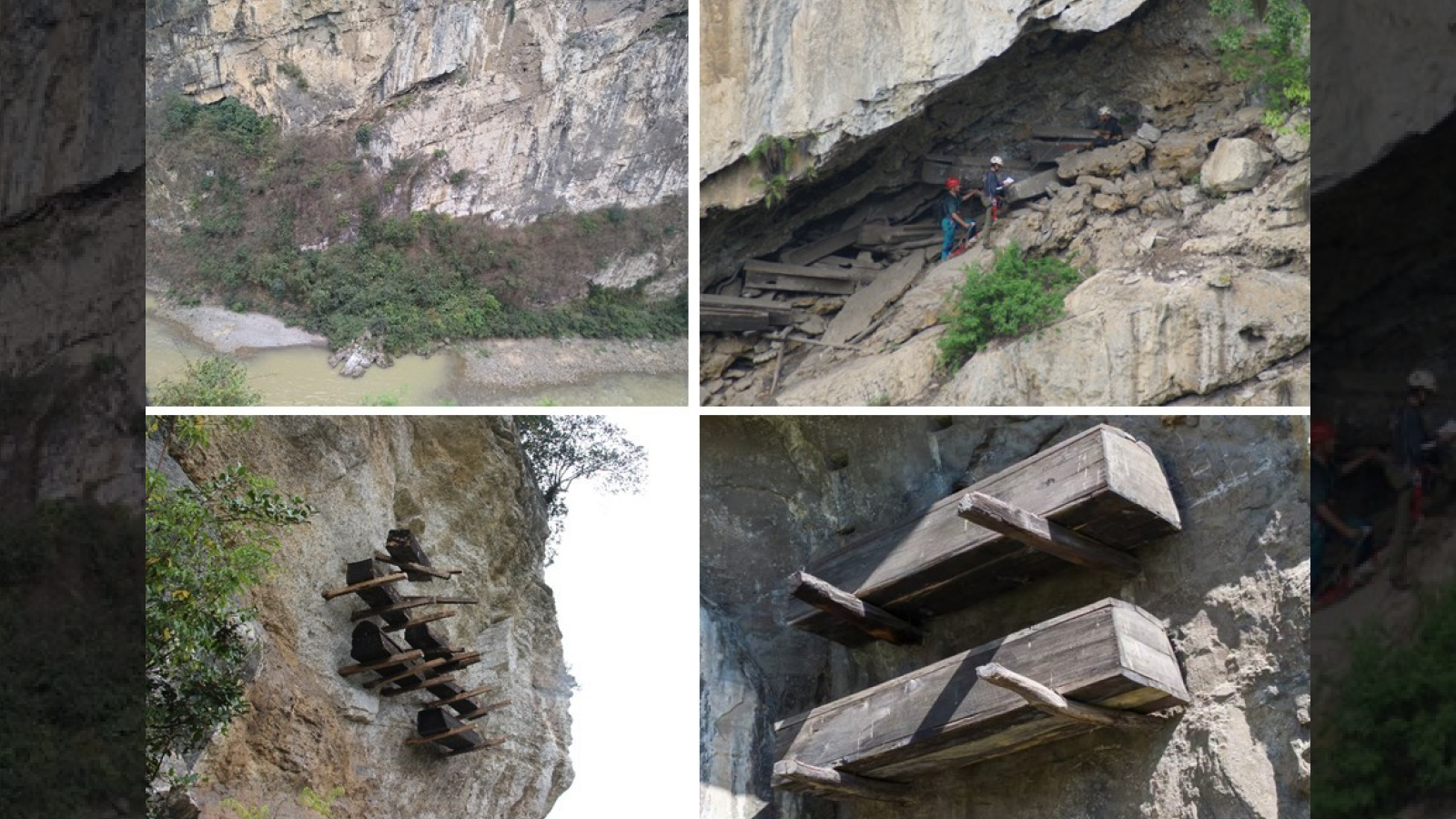 Ancient 'hanging coffin' people in China finally identified — and their descendants still live there today
 'An extreme end of human genetic variation': Ancient humans were isolated in southern Africa for nearly 100,000 years, and their genetics are stunningly different
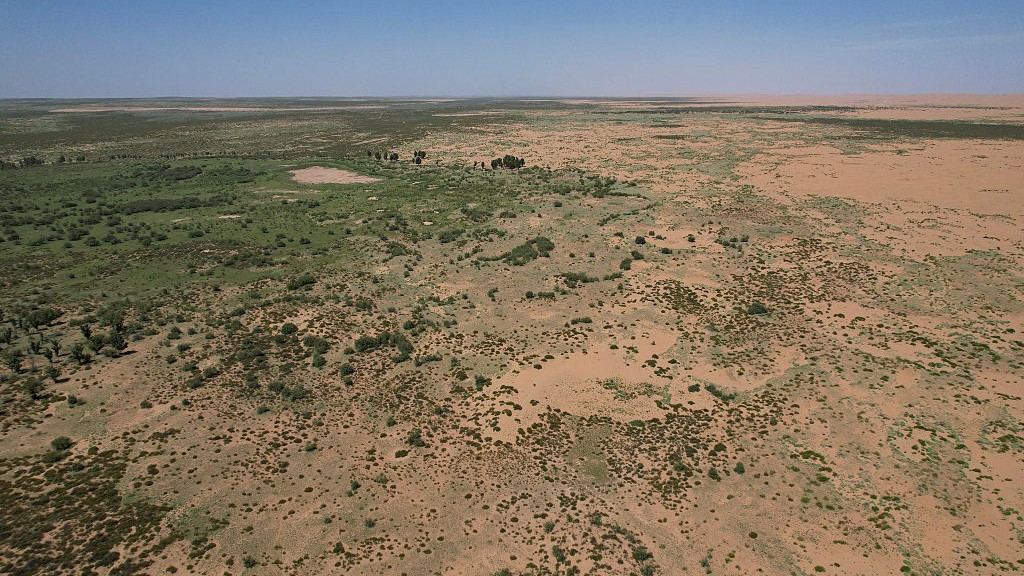 China has planted so many trees it's changed the entire country's water distribution
 Death Valley's 'world's hottest temperature' record may be due to a human error
 JWST spots a planet chasing its own atmosphere through space
LATEST ARTICLES
JWST spots a planet chasing its own atmosphere through space
LATEST ARTICLES- 1Giant rotating string of 14 galaxies is 'probably the largest spinning object' in the known universe
- 2Ancient 'hanging coffin' people in China finally identified — and their descendants still live there today
- 3'An extreme end of human genetic variation': Ancient humans were isolated in southern Africa for nearly 100,000 years, and their genetics are stunningly different
- 4China has planted so many trees it's changed the entire country's water distribution
- 5Death Valley's 'world's hottest temperature' record may be due to a human error