- Planet Earth
- Plants
Huge "regreening" efforts in China over the past few decades have activated the country's water cycle and moved water in ways that scientists are just now starting to understand.
4 Comments Join the conversationWhen you purchase through links on our site, we may earn an affiliate commission. Here’s how it works.
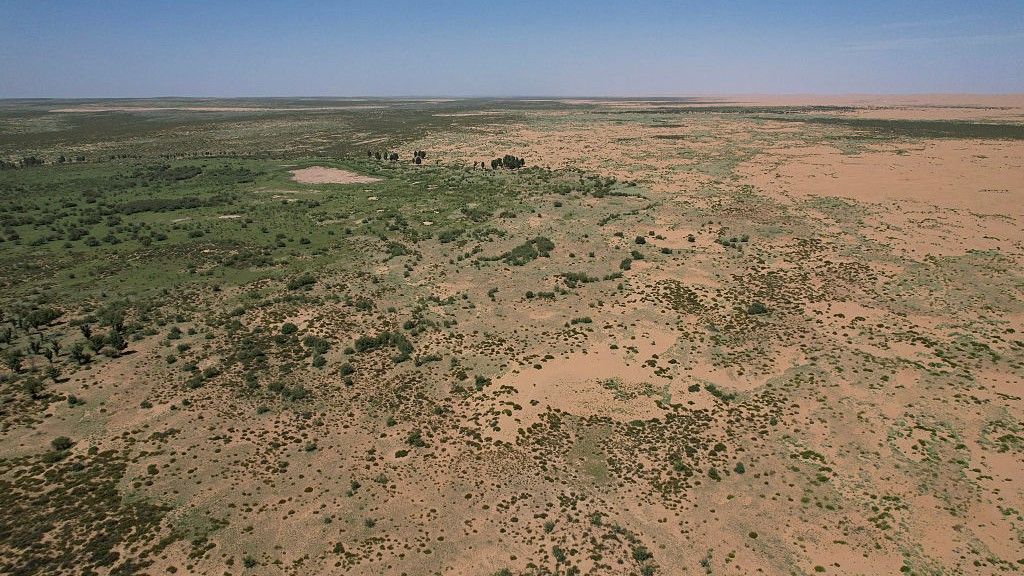
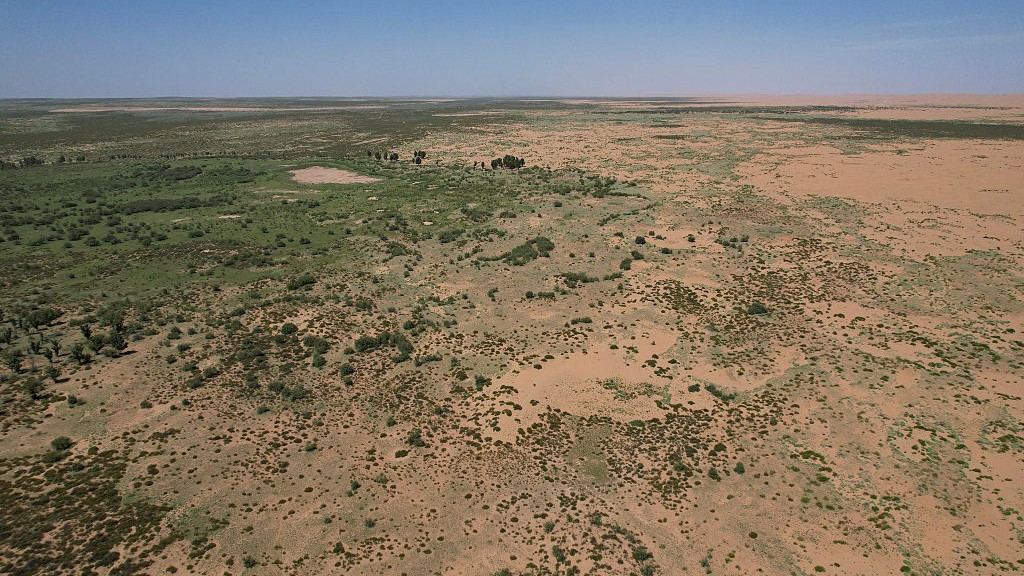 The Great Green Wall is a huge regreening initiative in China's north aimed at slowing desertification.
(Image credit: PEDRO PARDO/AFP via Getty Images)
The Great Green Wall is a huge regreening initiative in China's north aimed at slowing desertification.
(Image credit: PEDRO PARDO/AFP via Getty Images)
China's efforts to slow land degradation and climate change by planting trees and restoring grasslands have shifted water around the country in huge, unforeseen ways, new research shows.
Between 2001 and 2020, changes in vegetation cover reduced the amount of fresh water available for humans and ecosystems in the eastern monsoon region and northwestern arid region, which together make up 74% of China's land area, according to a study published Oct. 4 in the journal Earth's Future. Over the same period, water availability increased in China's Tibetan Plateau region, which makes up the remaining land area, scientists found.
You may like-
 Plants self-organize in a 'hidden order,' echoing pattern found across nature
-
 The Panama Canal needs a staggering amount of water to operate. Climate change could threaten that, study warns
-
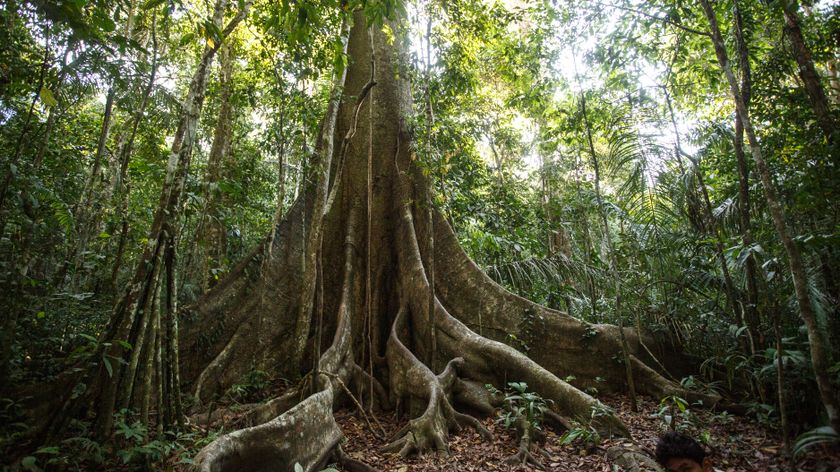 Amazon rainforest trees are resisting climate change by getting fatter from CO2 in the atmosphere
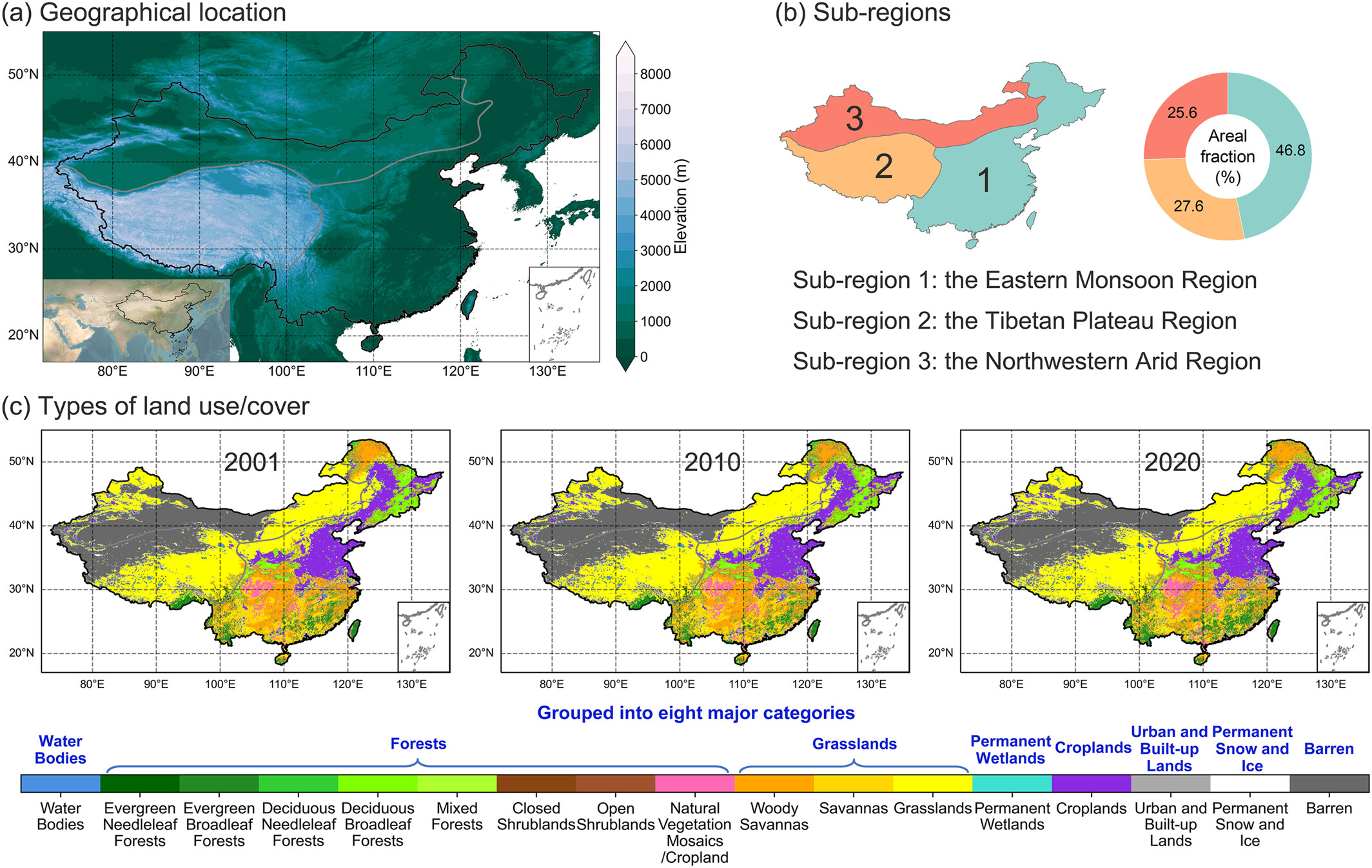
Three main processes move water between Earth's continents and the atmosphere: evaporation and transpiration carry water up, while precipitation drops it back down. Evaporation removes water from surfaces and soils, and transpiration removes water that plants have absorbed from the soil. Together, these processes are called evapotranspiration, and this fluctuates with plant cover, water availability and the amount of solar energy that reaches the land, Staal said.
"Both grassland and forests generally tend to increase evapotranspiration," he said. "This is especially strong in forests, as trees can have deep roots that access water in dry moments."
China's biggest tree-planting effort is the Great Green Wall in the country's arid and semi-arid north. Started in 1978, the Great Green Wall was created to slow the expansion of deserts. Over the last five decades, it has helped grow forest cover from about 10% of China's area in 1949 to more than 25% today — an area equivalent to the size of Algeria. Last year, government representatives announced the country had finished encircling its biggest desert with vegetation, but that it will continue planting trees to keep desertification in check.
Other large regreening projects in China include the Grain for Green Program and the Natural Forest Protection Program, which both started in 1999. The Grain for Green Program incentivizes farmers to convert farmland into forest and grassland, while the Natural Forest Protection Program bans logging in primary forests and promotes afforestation.
Sign up for the Live Science daily newsletter nowContact me with news and offers from other Future brandsReceive email from us on behalf of our trusted partners or sponsorsBy submitting your information you agree to the Terms & Conditions and Privacy Policy and are aged 16 or over.Collectively, China's ecosystem restoration initiatives account for 25% of the global net increase in leaf area between 2000 and 2017.
But regreening has dramatically changed China's water cycle, boosting both evapotranspiration and precipitation. To investigate these impacts, the researchers used high-resolution evapotranspiration, precipitation and land-use change data from various sources, as well as an atmospheric moisture tracking model.
The results showed that evapotranspiration increased more overall than precipitation did, meaning some water was lost to the atmosphere, Staal said. However, the trend wasn't consistent across China, because winds can transport water up to 4,350 miles (7,000 kilometers) away from its source — meaning evapotranspiration in one place often affects precipitation in another.
You may like-
Plants self-organize in a 'hidden order,' echoing pattern found across nature
-
The Panama Canal needs a staggering amount of water to operate. Climate change could threaten that, study warns
-
Amazon rainforest trees are resisting climate change by getting fatter from CO2 in the atmosphere
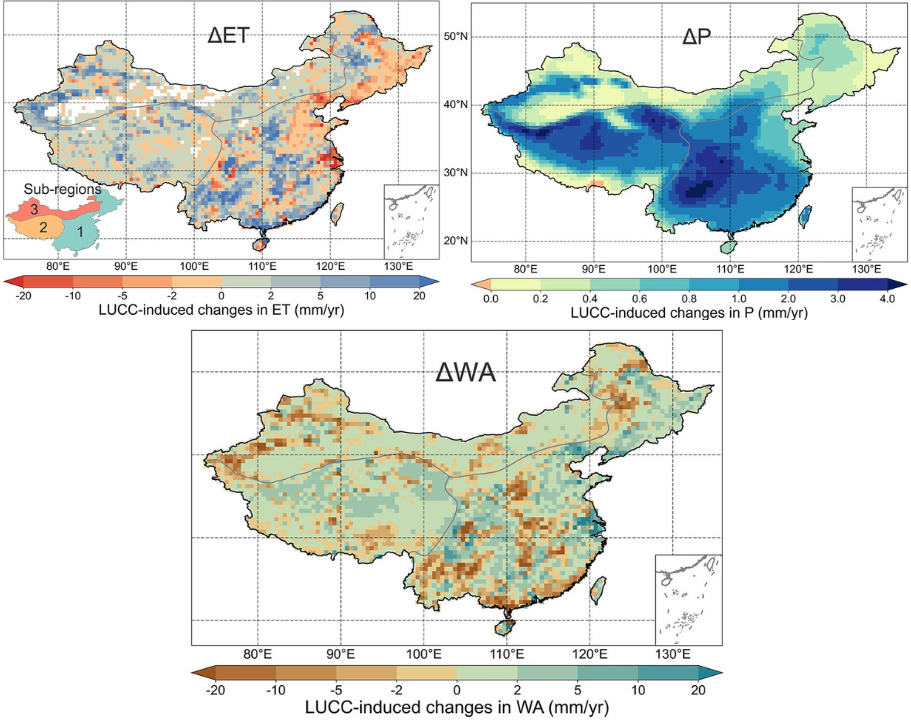
The researchers found that forest expansion in China's eastern monsoon region and grassland restoration in the rest of the country increased evapotranspiration, but precipitation only increased in the Tibetan Plateau region, so the other regions experienced a decline in water availability.
"Even though the water cycle is more active, at local scales more water is lost than before," Staal said.
RELATED STORIES—When China makes a climate pledge, the world should listen
—Half of China's cities are sinking, putting most of the country's urban population at risk
—China issues new pledge to cut greenhouse gas emissions — is it now a global leader in climate action?
This has important implications for water management, because China's water is already unevenly distributed. The north has about 20% of the country's water but is home to 46% of the population and 60% of the arable land, according to the study. The Chinese government is trying to address this; however, the measures will likely fail if water redistribution due to regreening isn't taken into account, Staal and his colleagues argued.
Ecosystem restoration and afforestation in other countries could be affecting water cycles there, too. "From a water resources point of view, we need to see case-by-case whether certain land cover changes are beneficial or not," Staal said. "It depends among other things on how much and where the water that goes into the atmosphere comes down again as precipitation."
TOPICS China Sascha PareSocial Links NavigationStaff writer
 Sascha is a U.K.-based staff writer at Live Science. She holds a bachelor’s degree in biology from the University of Southampton in England and a master’s degree in science communication from Imperial College London. Her work has appeared in The Guardian and the health website Zoe. Besides writing, she enjoys playing tennis, bread-making and browsing second-hand shops for hidden gems.
You must confirm your public display name before commenting
Please logout and then login again, you will then be prompted to enter your display name.
Logout Read more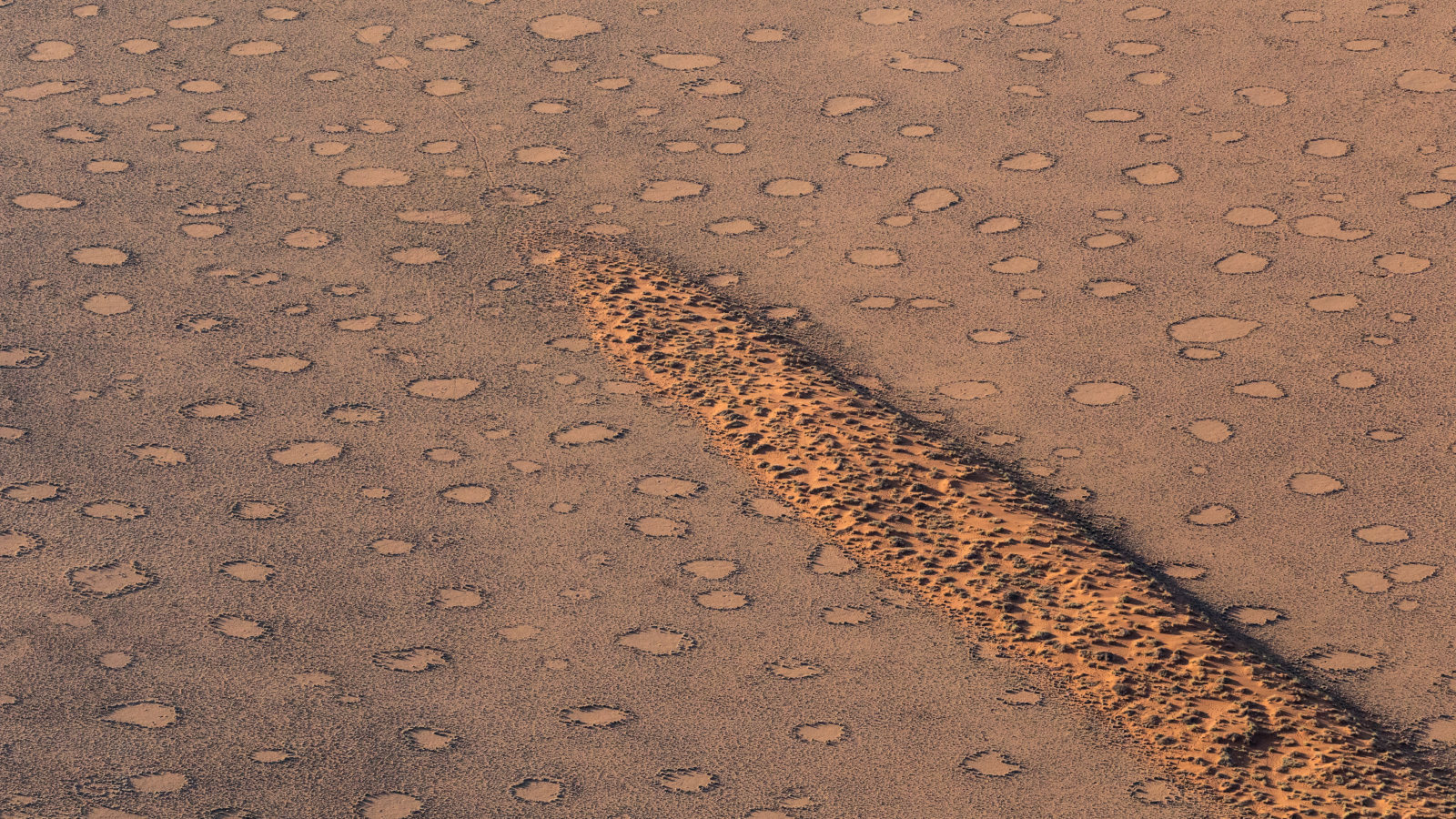 Plants self-organize in a 'hidden order,' echoing pattern found across nature
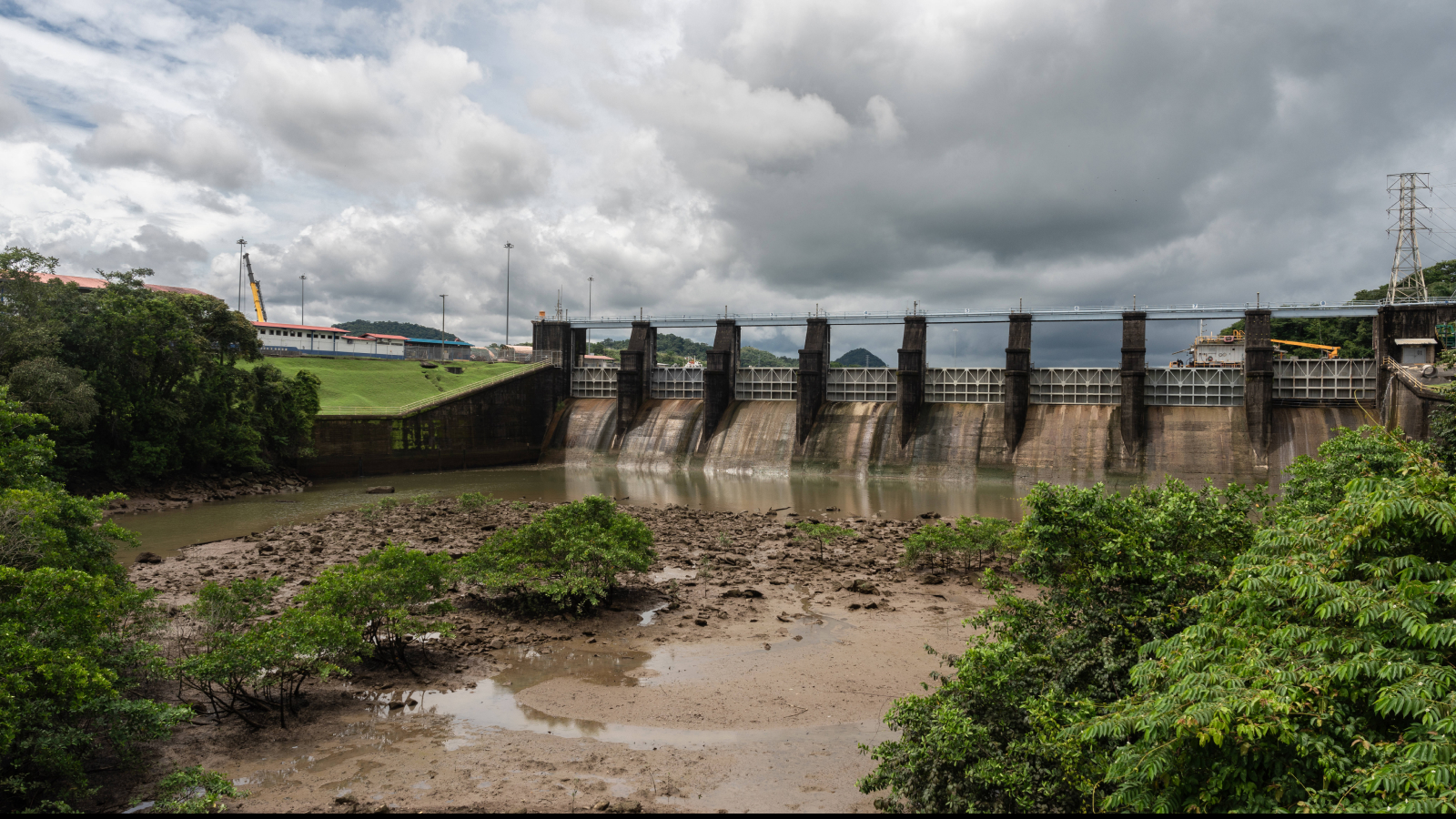 The Panama Canal needs a staggering amount of water to operate. Climate change could threaten that, study warns
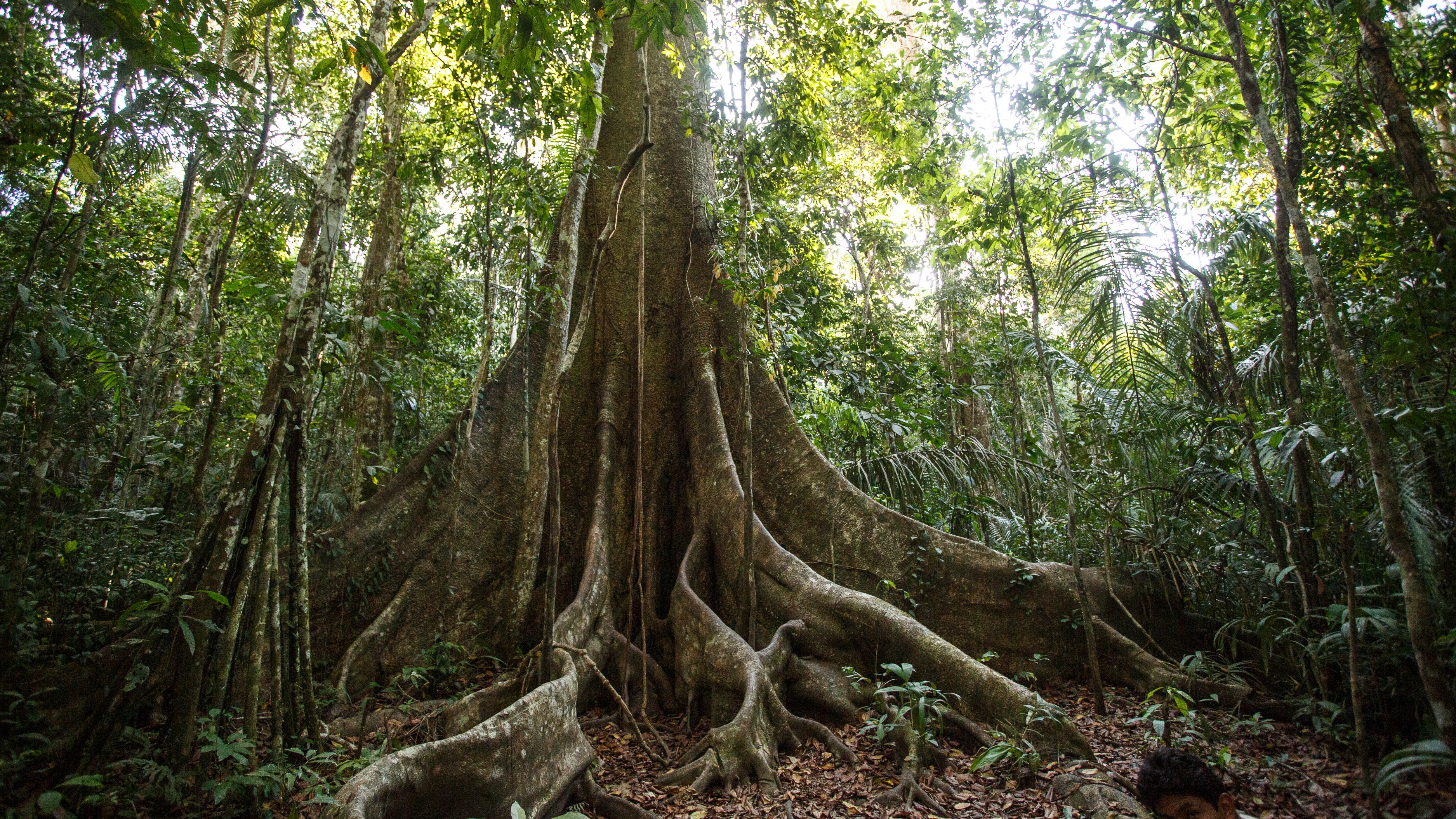 Amazon rainforest trees are resisting climate change by getting fatter from CO2 in the atmosphere
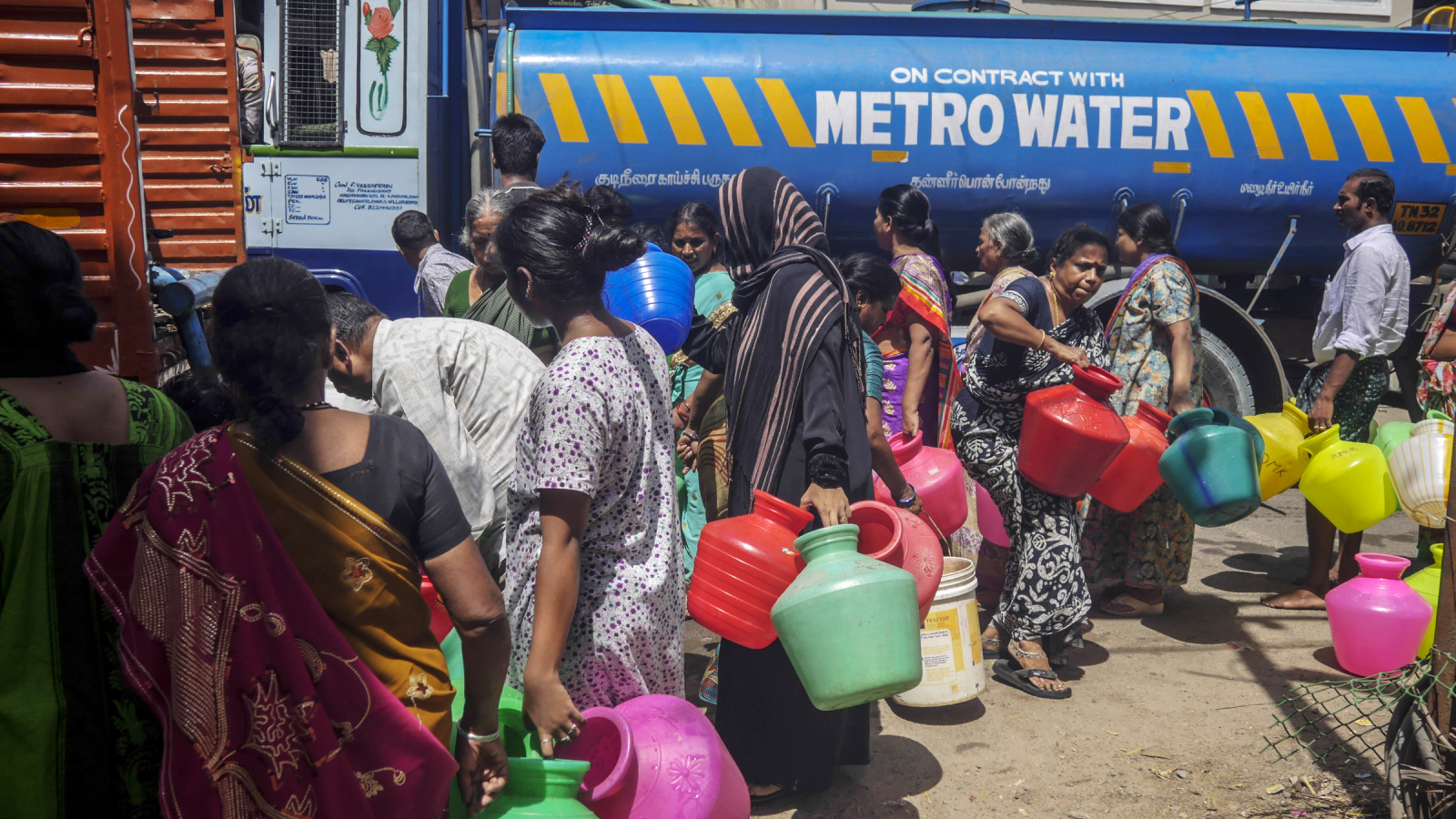 'An increasing attack on water resources from multiple fronts': Scientists warn 'day zero droughts' could hit before 2030
 Shrinking tree canopy at California schools could put kids at risk of extreme heat
 Iran among 'world's most extreme subsidence hotspots' with some areas sinking up to 1 foot per year, study finds
Latest in Plants
Iran among 'world's most extreme subsidence hotspots' with some areas sinking up to 1 foot per year, study finds
Latest in Plants
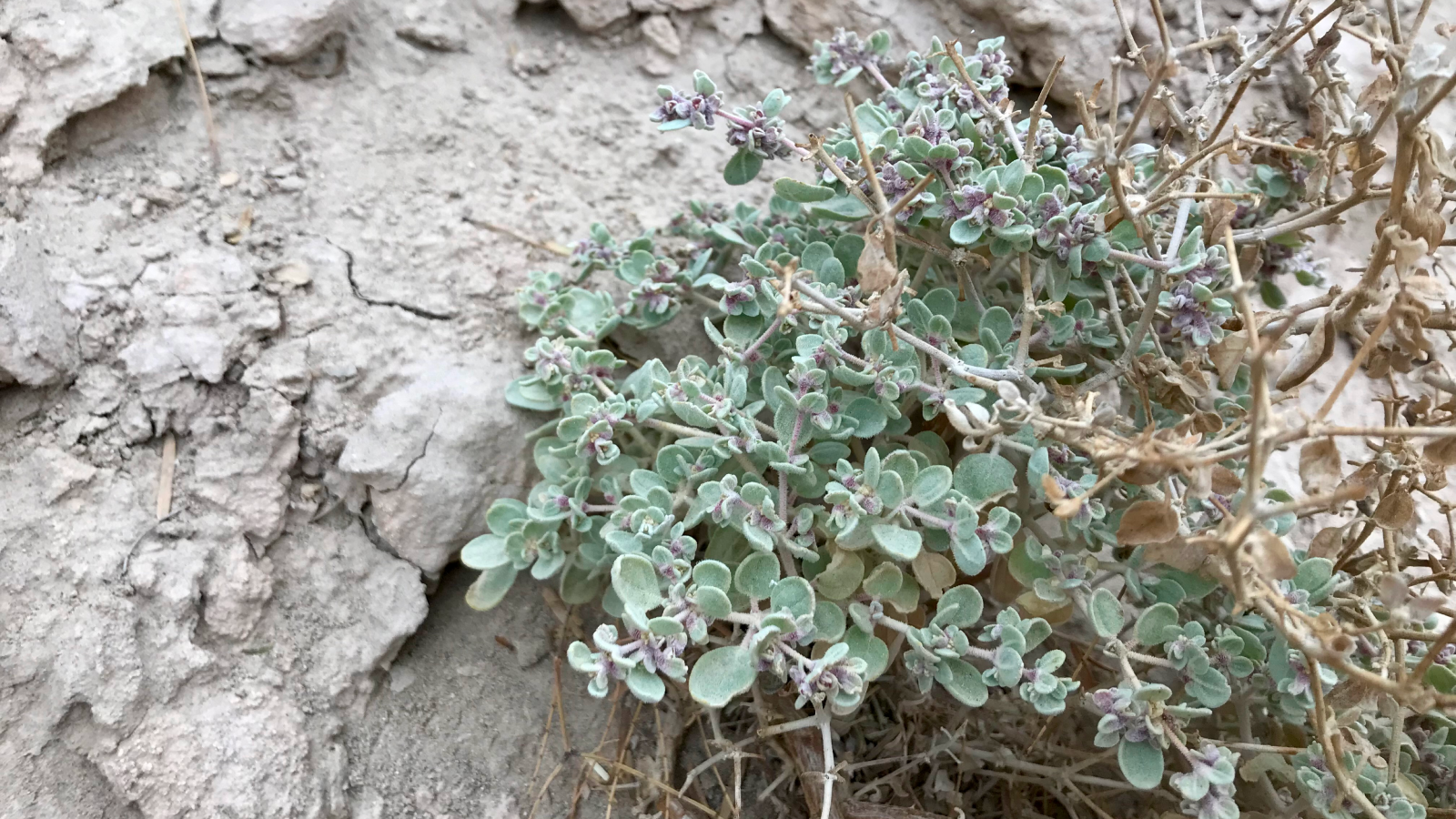 Death Valley shrub rearranges its insides to thrive in one of the hottest places on Earth
 Fruits and vegetables quiz: Do you know where pumpkins, blueberries and broccoli come from?
Plants self-organize in a 'hidden order,' echoing pattern found across nature
Fruits and vegetables quiz: Do you know where pumpkins, blueberries and broccoli come from?
Plants self-organize in a 'hidden order,' echoing pattern found across nature
 Why can pumpkins grow so large, but blueberries can't?
 Scientists discover gold nanoparticles hidden in spruce tree needles
 Cairo Fossil Forest: The oldest forest in North America with 385 million-year-old trees
Latest in News
Cairo Fossil Forest: The oldest forest in North America with 385 million-year-old trees
Latest in News
 Volcanic eruption triggered 'butterfly effect' that led to the Black Death, researchers find
 18,000 dinosaur tracks discovered along ancient Bolivian coastline — and they set a new record
 Collapse of key Atlantic current could bring extreme drought to Europe for hundreds of years, study finds
 Giant rotating string of 14 galaxies is 'probably the largest spinning object' in the known universe
 Ancient 'hanging coffin' people in China finally identified — and their descendants still live there today
 'An extreme end of human genetic variation': Ancient humans were isolated in southern Africa for nearly 100,000 years, and their genetics are stunningly different
LATEST ARTICLES
'An extreme end of human genetic variation': Ancient humans were isolated in southern Africa for nearly 100,000 years, and their genetics are stunningly different
LATEST ARTICLES- 118,000 dinosaur tracks discovered along ancient Bolivian coastline — and they set a new record
- 2Collapse of key Atlantic current could bring extreme drought to Europe for hundreds of years, study finds
- 3MIT invention uses ultrasound to shake drinking water out of the air, even in dry regions
- 4Giant rotating string of 14 galaxies is 'probably the largest spinning object' in the known universe
- 5Ancient 'hanging coffin' people in China finally identified — and their descendants still live there today