- Archaeology
People buried in "hanging coffins" thousands of years ago in China and Southeast Asia have finally been identified through DNA research.
0 Comments Join the conversationWhen you purchase through links on our site, we may earn an affiliate commission. Here’s how it works.
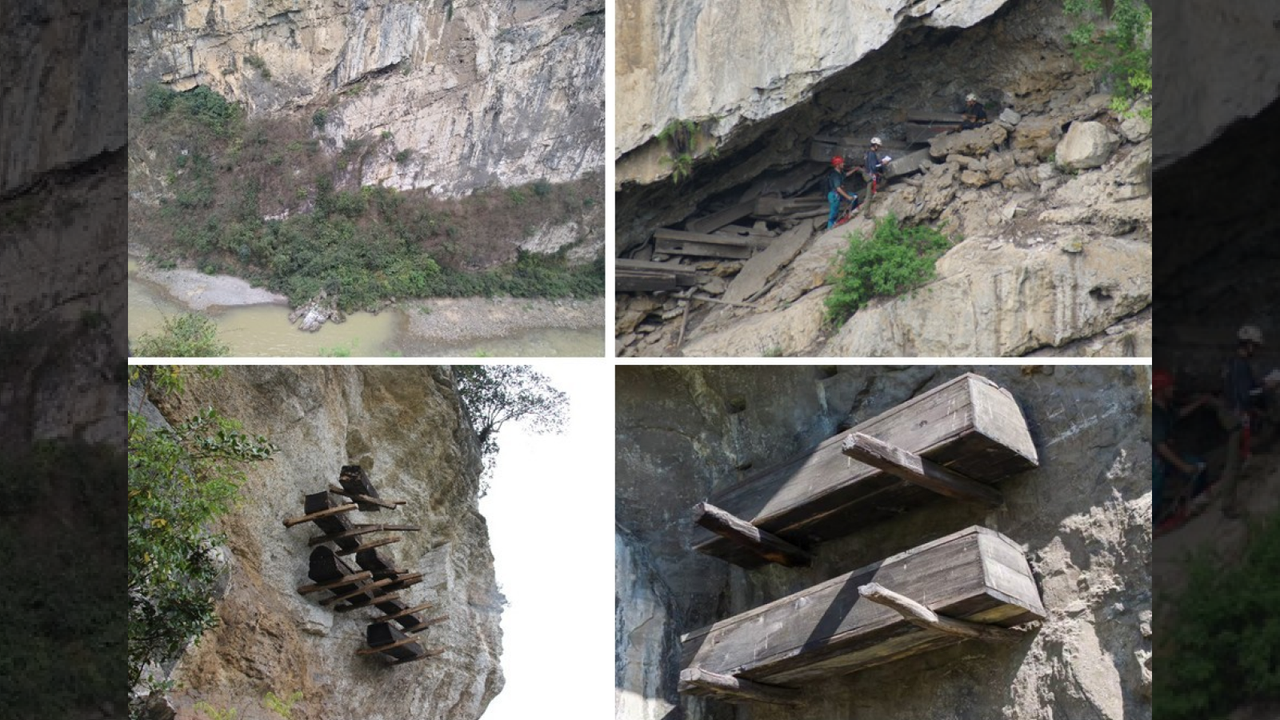
 Photographs of hanging coffins at archaeological sites in China's southern Yunnan province. The wooden coffins were pegged onto cliffs or deposited in mountain caves.
(Image credit: Xie Peixia/China Folklore Photography Association and Zhaotong Municipal Bureau of Cultural Relics)
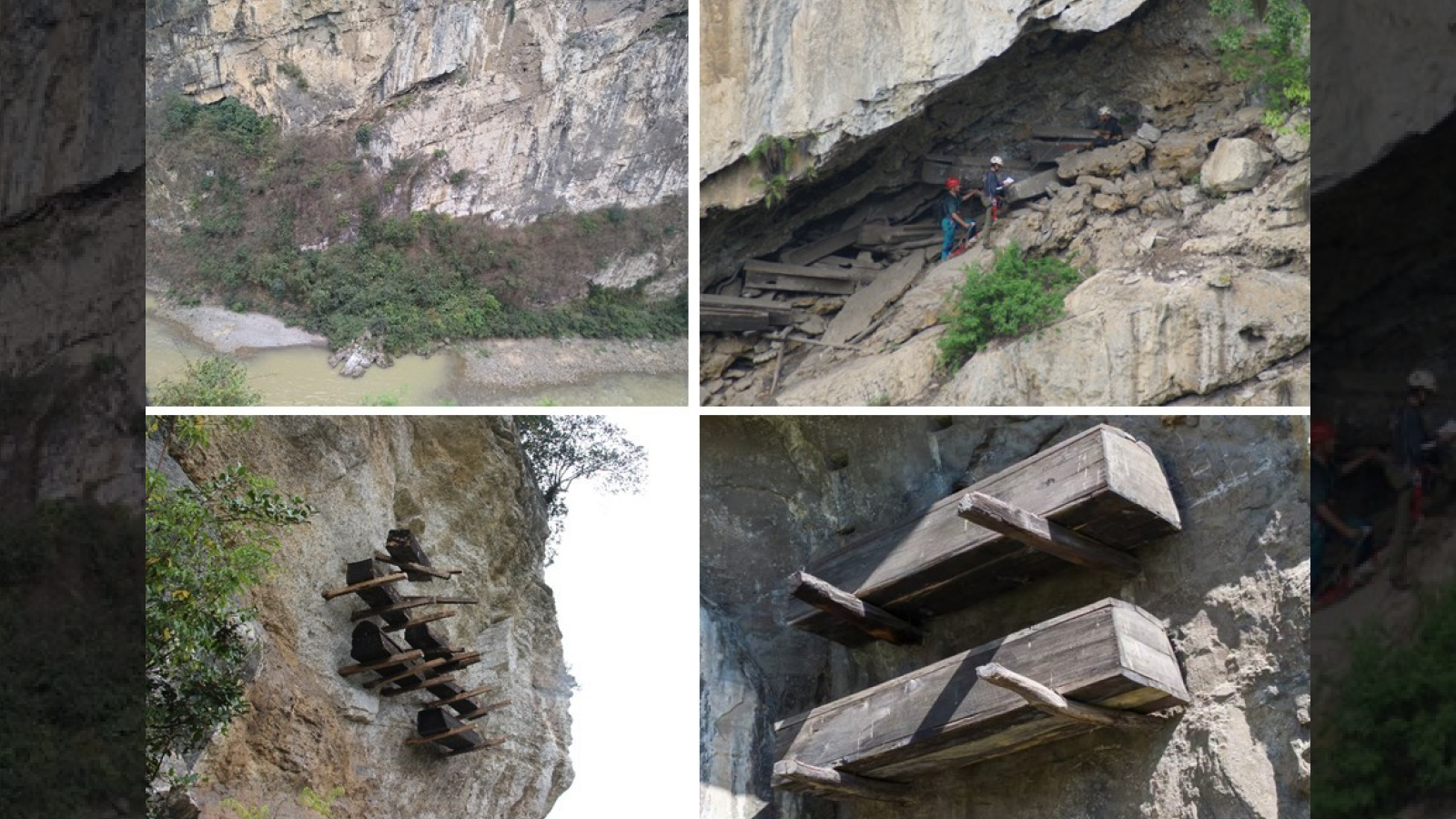
Photographs of hanging coffins at archaeological sites in China's southern Yunnan province. The wooden coffins were pegged onto cliffs or deposited in mountain caves.
(Image credit: Xie Peixia/China Folklore Photography Association and Zhaotong Municipal Bureau of Cultural Relics)
For millennia, an ethnic group in what's now southwest China placed their dead in "hanging coffins" on cliffsides, but their identity has long eluded researchers. Now, a new genetic study reveals that this ancient funeral tradition was carried out by ancestors of people who still live in the region today.
The researchers also found genetic links between the ancient people who practiced "hanging coffin" tradition — in which ancient wooden coffins were pegged onto exposed cliffs — and Neolithic ("New Stone Age") people who lived on the coasts of southern China and Southeast Asia.
You may like-
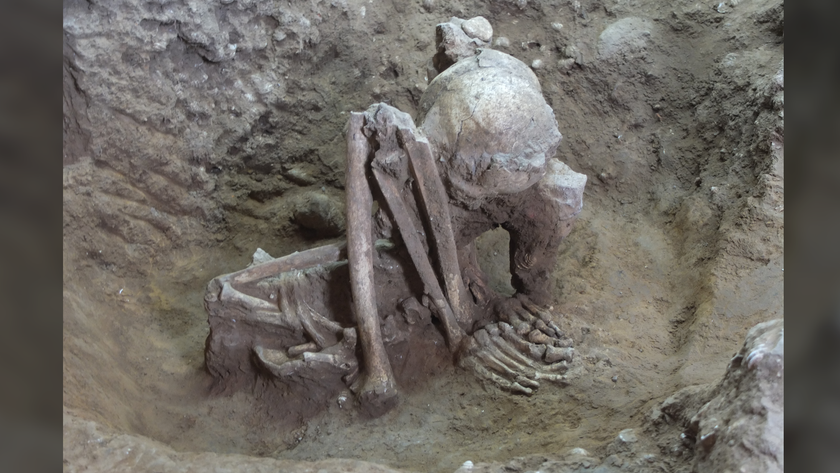 World's oldest mummies were smoke-dried 10,000 years ago in China and Southeast Asia, researchers find
-
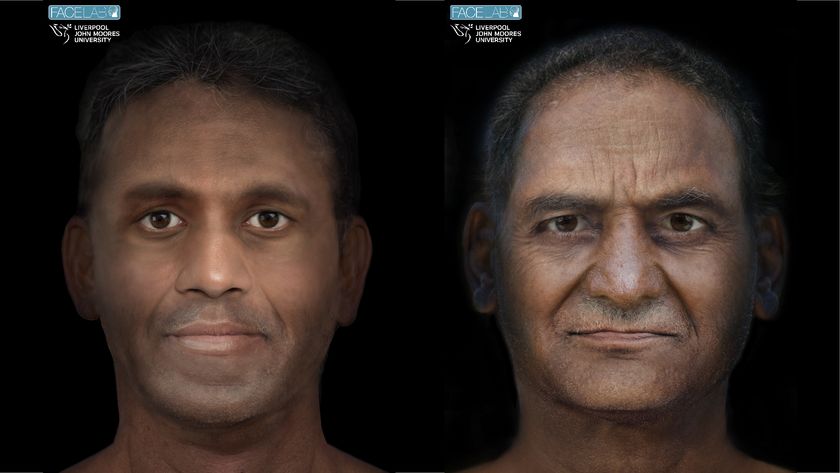 New reconstructions show piercing eyes of men who lived 2,500 years ago in mysterious Indian civilization
-
 Ancient DNA reveals mysterious Indigenous lineage that lived in Argentina for nearly 8,500 years — but rarely interacted with others
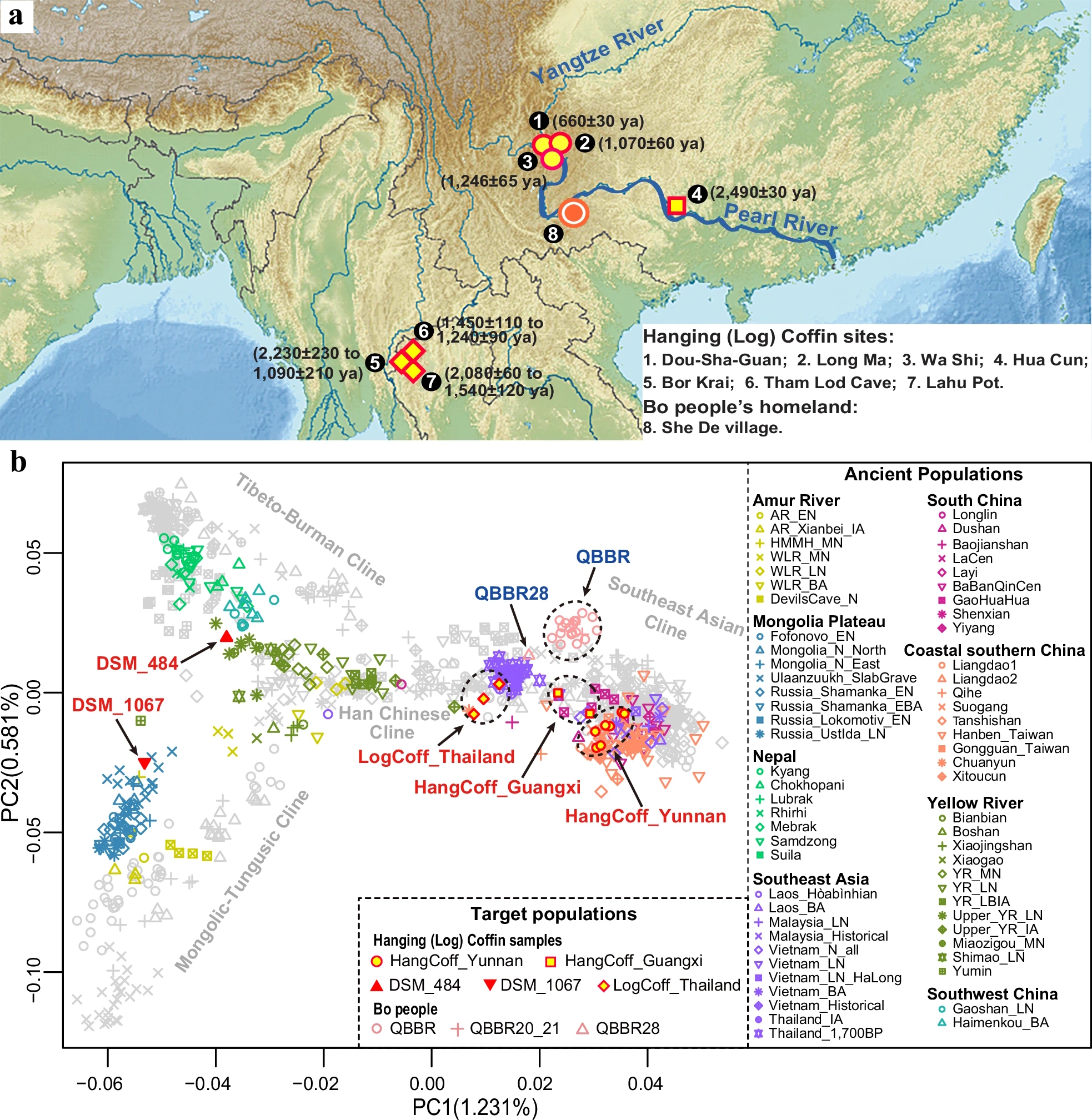
Over the past 30 years, researchers have documented hundreds of hanging coffins throughout China and Southeast Asia, the researchers wrote in the study. Historical texts and oral traditions note that a small ethnic group known as the Bo people were behind the practice, but for the new study, researchers turned to genetics to solve the mystery once and for all.
In their investigation, the researchers analyzed the genetics of 11 individuals, some of whom lived more than 2,000 years ago, at four "hanging coffin" sites in China.
They supplemented their study by examining the remains of four individuals contained within ancient "log coffins" discovered in a cave in northwestern Thailand, the oldest of which dates to 2,300 years ago, and with 30 genomes from living people of Bo descent.
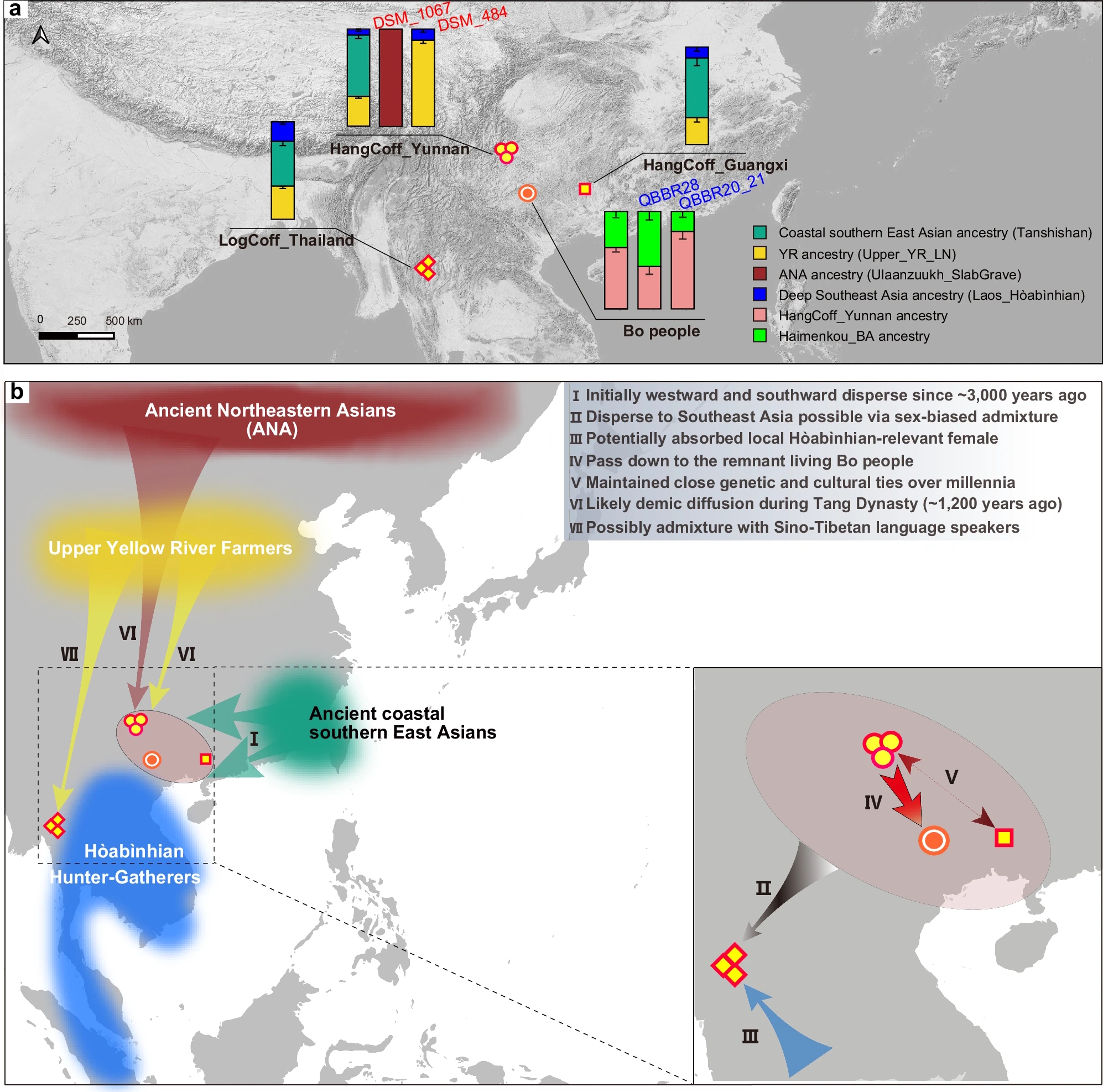
The results indicate that the "hanging coffin" people — and, therefore, the modern Bo people — had genetic links to groups who lived between 4,000 and 4,500 years ago, during the Neolithic period in this region from about 10,000 B.C. until about 2000 B.C.
Sign up for the Live Science daily newsletter nowContact me with news and offers from other Future brandsReceive email from us on behalf of our trusted partners or sponsorsBy submitting your information you agree to the Terms & Conditions and Privacy Policy and are aged 16 or over."The genetic traces left behind provide compelling evidence of a shared origin and cultural continuity that transcends modern national boundaries," the researchers wrote in the study.
Hanging coffins
Dozens of "hanging coffin" sites are found throughout southern China and in Taiwan, where it was once a popular funerary style. However, funerals of this type stopped hundreds of years ago, during China's Ming dynasty between 1368 and 1644.
The researchers noted an early reference dates to the Yuan dynasty, from about 1279 to 1368. "Coffins set high are considered auspicious," a chronicler wrote."The higher they are, the more propitious they are for the dead. Furthermore, those whose coffins fell to the ground were considered more fortunate."
You may like-
World's oldest mummies were smoke-dried 10,000 years ago in China and Southeast Asia, researchers find
-
New reconstructions show piercing eyes of men who lived 2,500 years ago in mysterious Indian civilization
-
Ancient DNA reveals mysterious Indigenous lineage that lived in Argentina for nearly 8,500 years — but rarely interacted with others
A few thousand people of Bo descent now live in China's southern Yunnan province, where they are categorized as part of the official Yi ethnic group, although their language and traditions are unique, according to the study.
But their ancestral culture was once much more widespread, encompassing regions that are now parts of Thailand, Laos, Vietnam and Taiwan, the researchers wrote. It seems the tradition of "hanging coffins" originated at least 3,400 years ago in the Wuyi Mountains of China's southeastern Fujian province.
Shared ancestry
The remains from the ancient "log coffins" in northwest Thailand also showed remarkable genetic similarities to the people interred in the "hanging coffins," the researchers found, indicating these peoples had shared ancestries.
In Thailand, the coffins were made by splitting the log of a tree in two lengthways and hollowing out one side while using the other side as a coffin lid. The coffins were then interred within a cave, often on wooden supports or on high rock ledges.
Those findings, as well as evidence from other archaeological sites throughout Asia, suggest the "hanging coffin" people were a branch of the ancient Tai-Kadai-speaking peoples who occupied much of southern China before the dominance of the Han ethnicity from about the first century B.C., the researchers reported.
According to Thailand's Chulalongkorn University, the ancient speakers of the Tai-Kadai languages (also known as the Kra-Dai languages) have given the name to the modern nation of Thailand and are the ancestors of millions of non-Han Chinese people, especially in the south of that country.
RELATED STORIES—5,000-year-old skeleton masks and skull cups made from human bones discovered in China
—Complete Bronze Age town with elite tombs discovered in northern China
—Fortifications older than the Great Wall of China discovered in Chinese mountain pass
But the key finding of the study is the ancient identity of the "hanging coffin" people, the researchers wrote. Regional folklore referred to the Bo people "with names such as 'Subjugators of the Sky' and 'Sons of the Cliffs,' and even described [them] as being capable of flight," the team wrote in the study. Now, genetics firmly connects the Bo people to those buried in the hanging coffins.
"Approximately 600 years after the custom vanished from historical records, we found that the Bo people are the direct descendants of the Hanging Coffin custom's practitioners," the researchers wrote.
TOPICS China Tom MetcalfeSocial Links NavigationLive Science ContributorTom Metcalfe is a freelance journalist and regular Live Science contributor who is based in London in the United Kingdom. Tom writes mainly about science, space, archaeology, the Earth and the oceans. He has also written for the BBC, NBC News, National Geographic, Scientific American, Air & Space, and many others.
You must confirm your public display name before commenting
Please logout and then login again, you will then be prompted to enter your display name.
Logout Read more World's oldest mummies were smoke-dried 10,000 years ago in China and Southeast Asia, researchers find
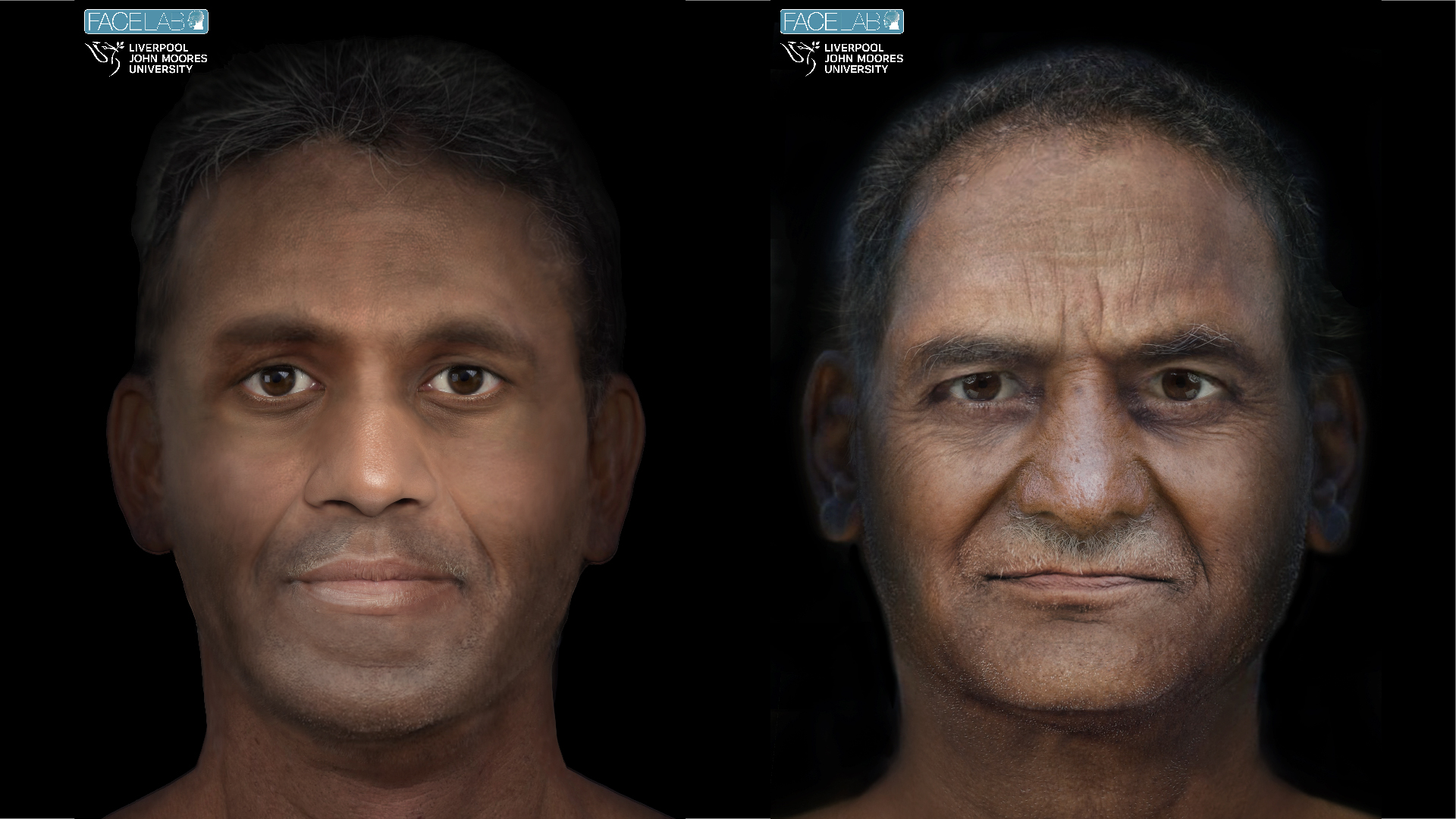 New reconstructions show piercing eyes of men who lived 2,500 years ago in mysterious Indian civilization
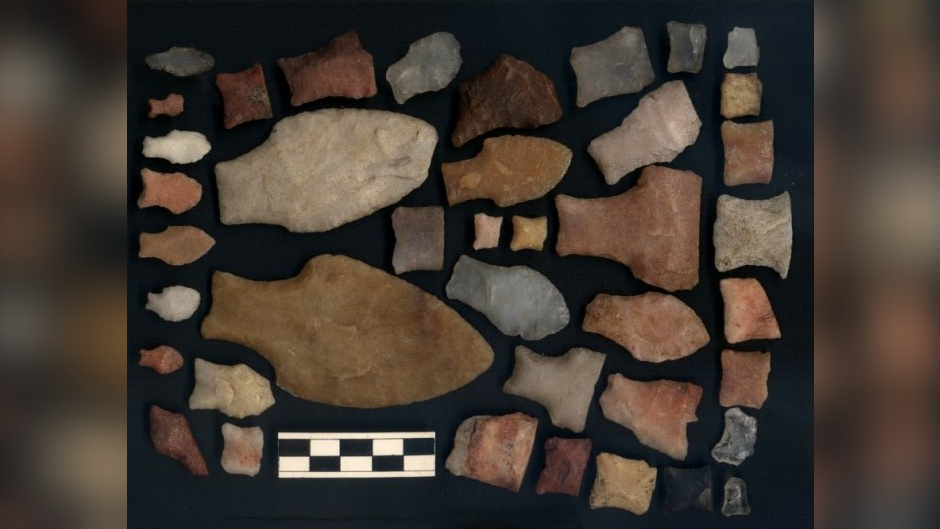 Ancient DNA reveals mysterious Indigenous lineage that lived in Argentina for nearly 8,500 years — but rarely interacted with others
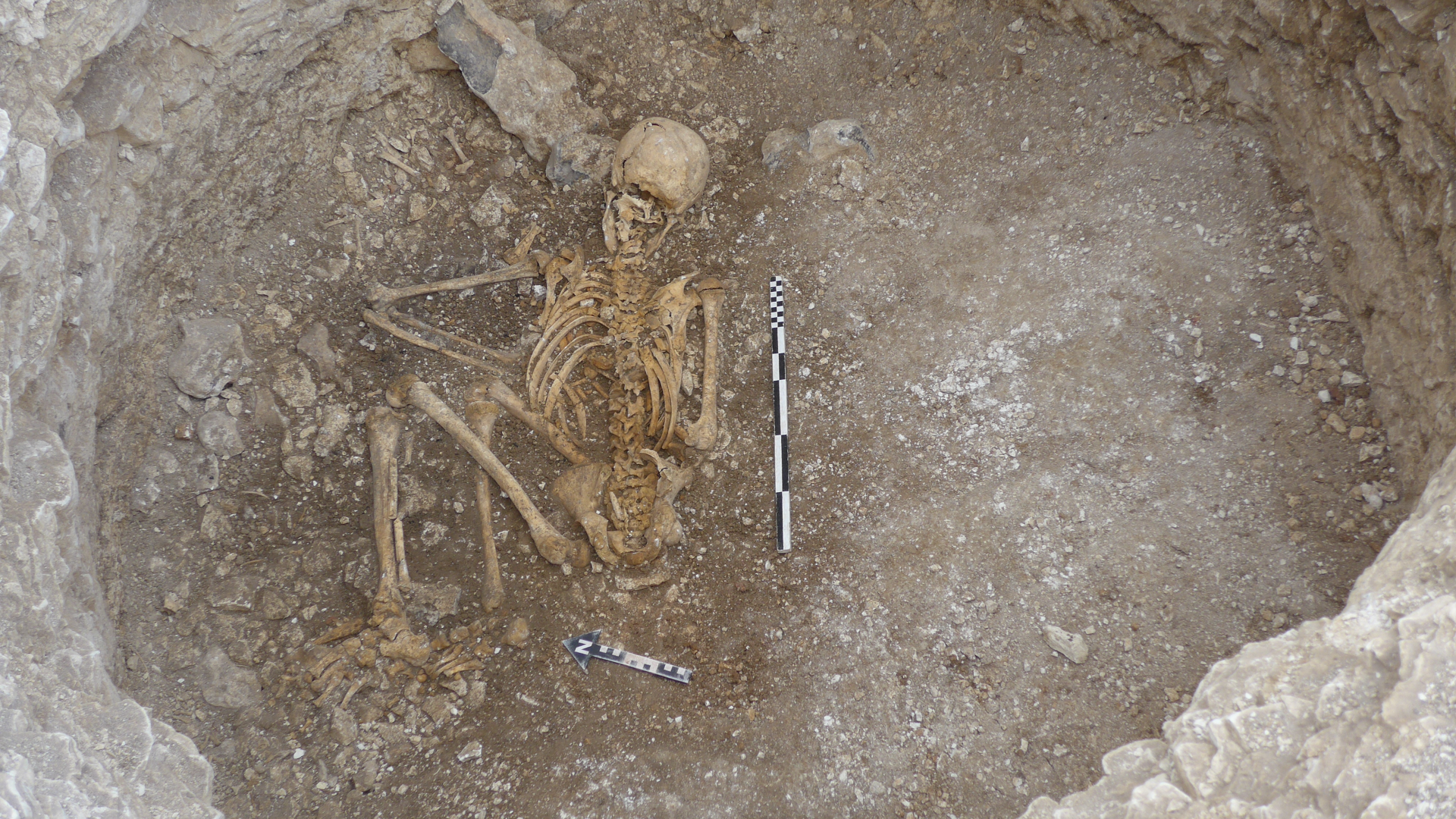 2,000-year-old Celtic teenager may have been sacrificed and considered 'disposable'
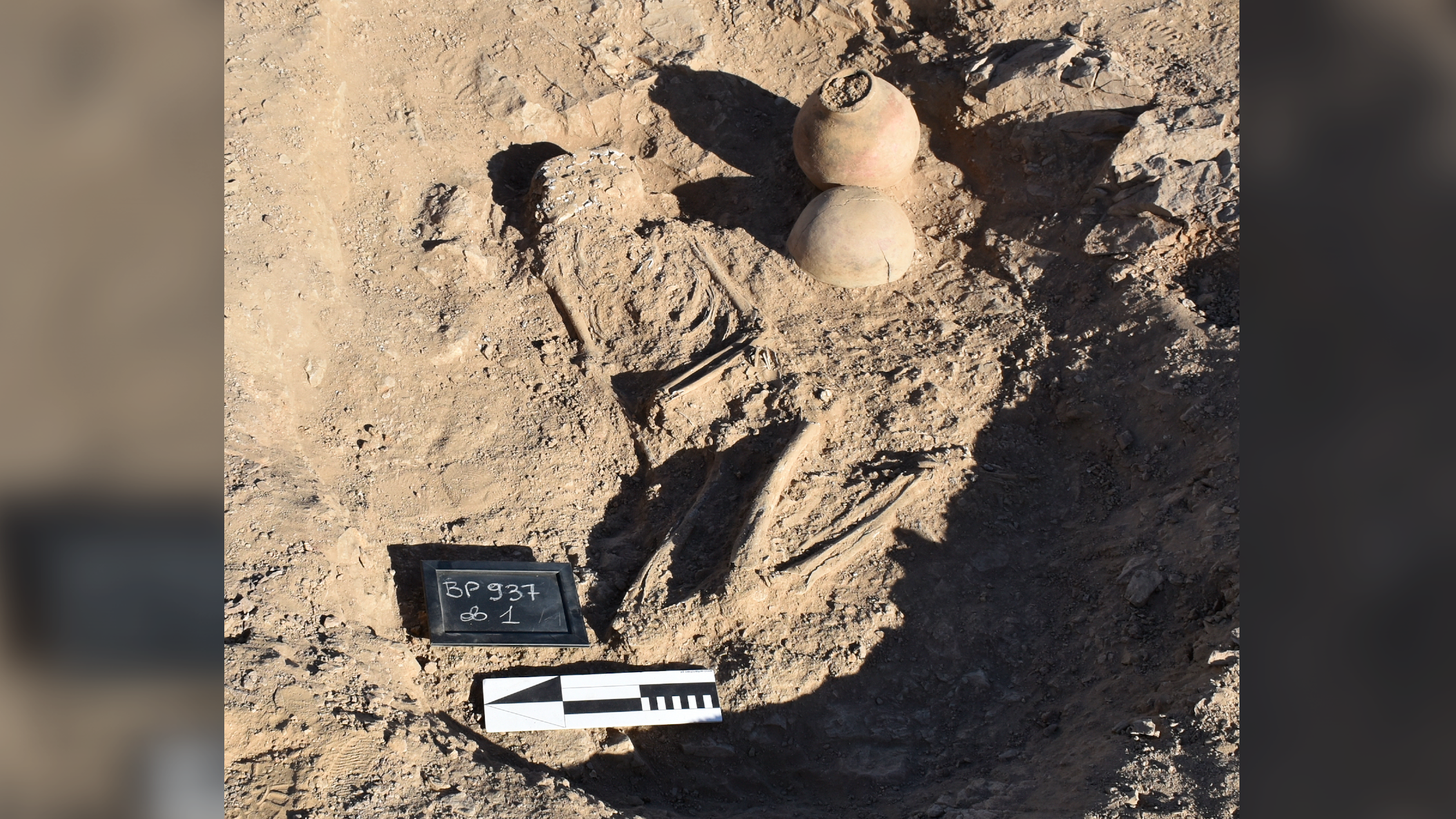 'We do not know of a similar case': 4,000-year-old burial in little-known African kingdom mystifies archaeologists
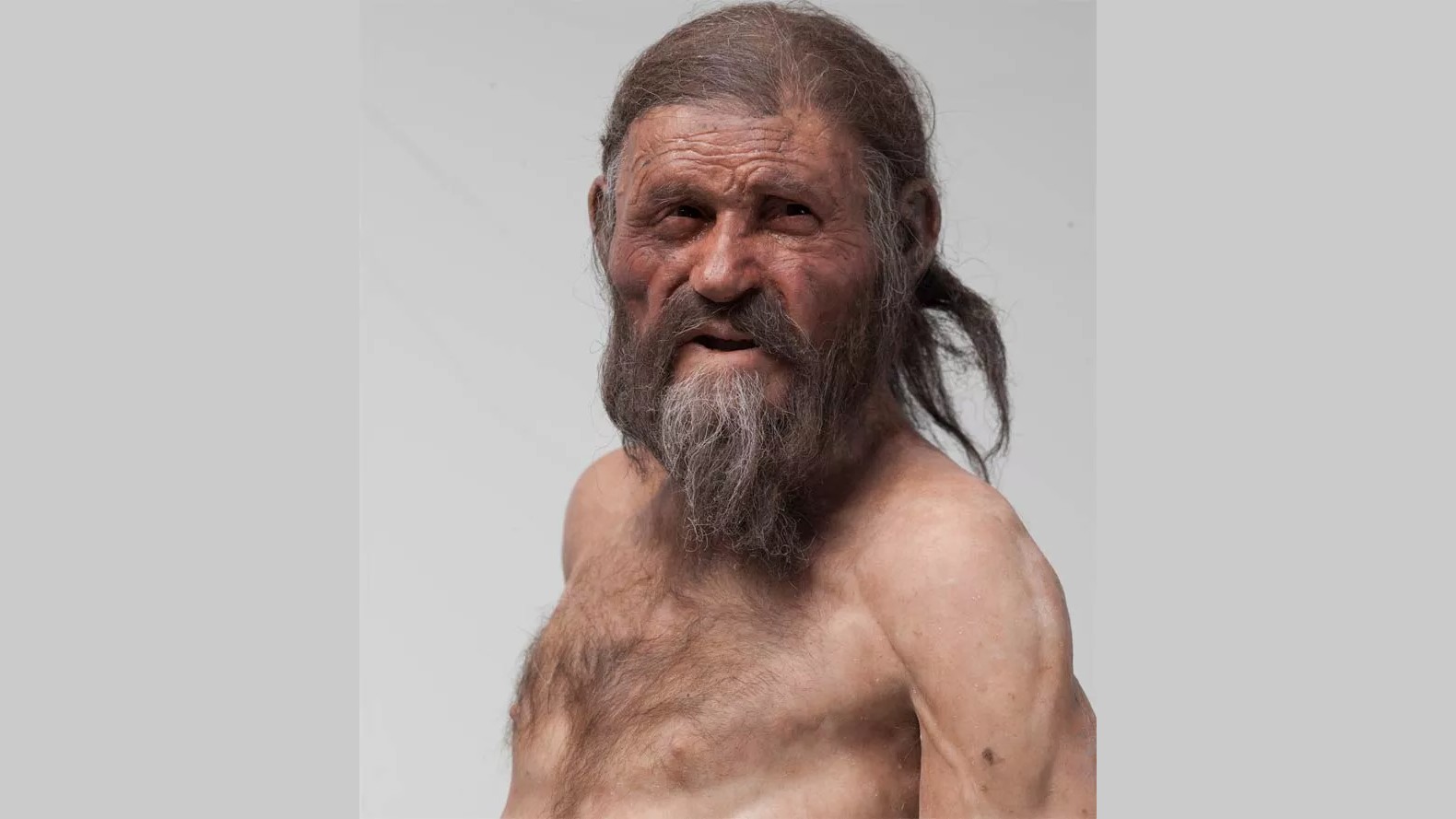 50 amazing facial reconstructions, from Stone Age shamans to King Tut
Latest in Archaeology
50 amazing facial reconstructions, from Stone Age shamans to King Tut
Latest in Archaeology
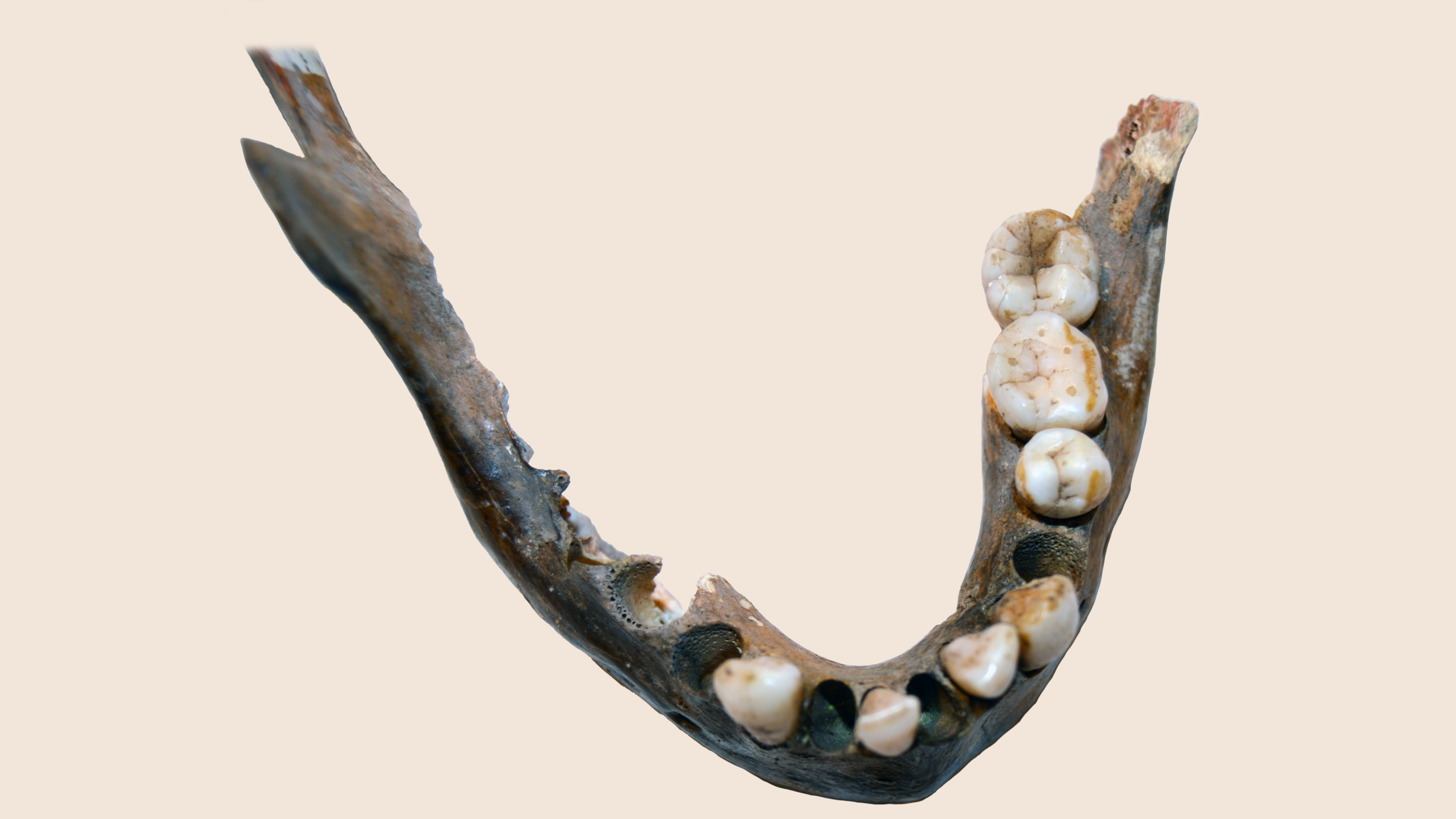 'An extreme end of human genetic variation': Ancient humans were isolated in southern Africa for nearly 100,000 years, and their genetics are stunningly different
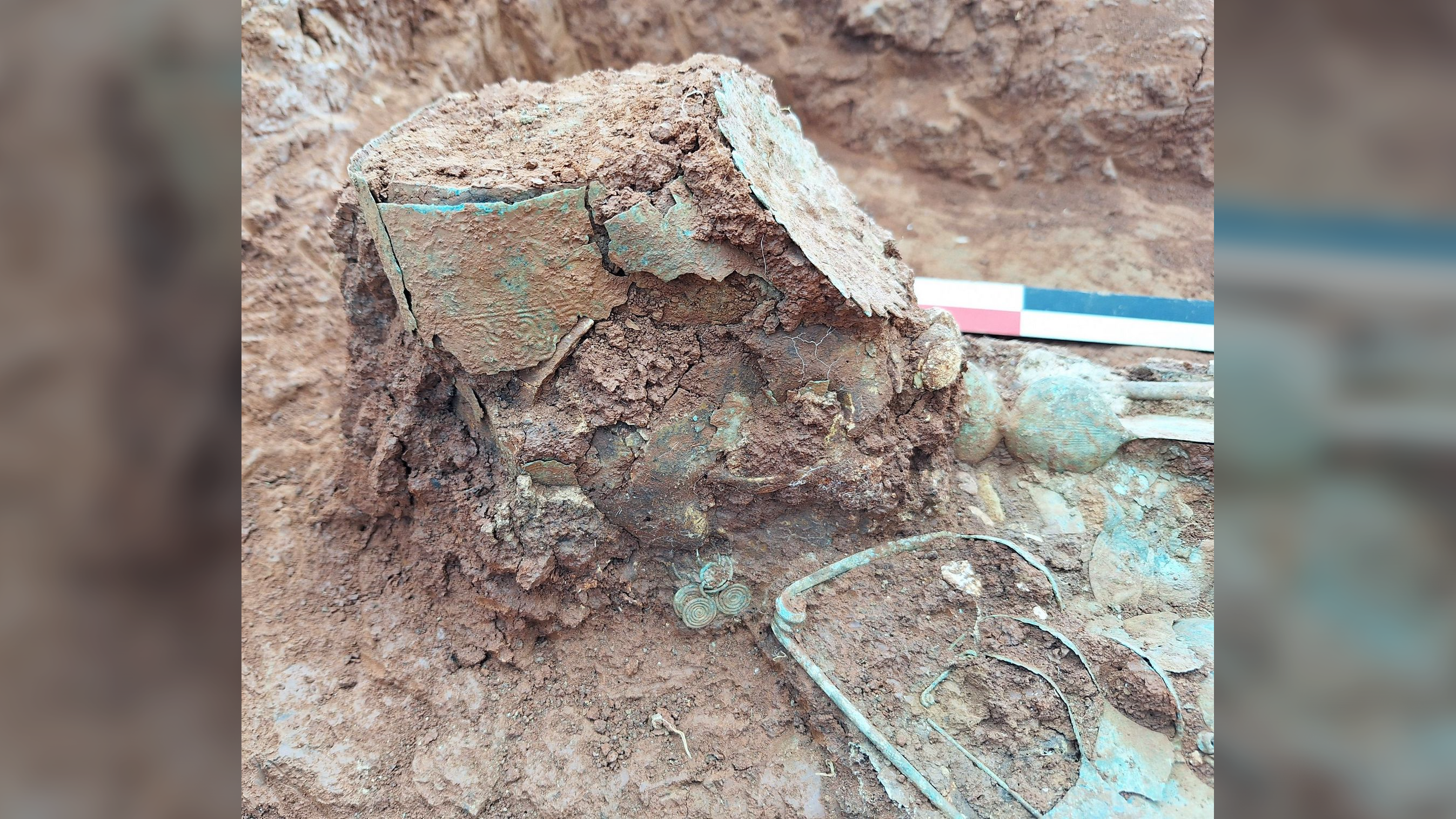 Elaborate 2,700-year-old tomb in Greece contains burial of a woman with an upside-down crown
'We do not know of a similar case': 4,000-year-old burial in little-known African kingdom mystifies archaeologists
Elaborate 2,700-year-old tomb in Greece contains burial of a woman with an upside-down crown
'We do not know of a similar case': 4,000-year-old burial in little-known African kingdom mystifies archaeologists
 An enigmatic human relative, dark matter discovery and mysterious lights in the sky during nuclear weapons tests
 Scientists pull up first riches from 'Holy Grail of shipwrecks' that sank off Colombia in 1708
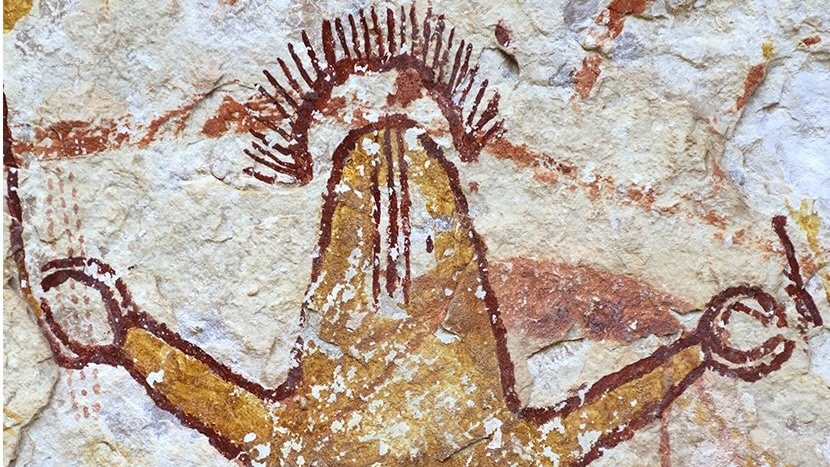 Ancient rock art along US-Mexico border persisted for more than 4,000 years — and it depicts Indigenous views of the universe
Latest in News
Ancient rock art along US-Mexico border persisted for more than 4,000 years — and it depicts Indigenous views of the universe
Latest in News
 Volcanic eruption triggered 'butterfly effect' that led to the Black Death, researchers find
 18,000 dinosaur tracks discovered along ancient Bolivian coastline — and they set a new record
 Collapse of key Atlantic current could bring extreme drought to Europe for hundreds of years, study finds
 Giant rotating string of 14 galaxies is 'probably the largest spinning object' in the known universe
Ancient 'hanging coffin' people in China finally identified — and their descendants still live there today
Giant rotating string of 14 galaxies is 'probably the largest spinning object' in the known universe
Ancient 'hanging coffin' people in China finally identified — and their descendants still live there today
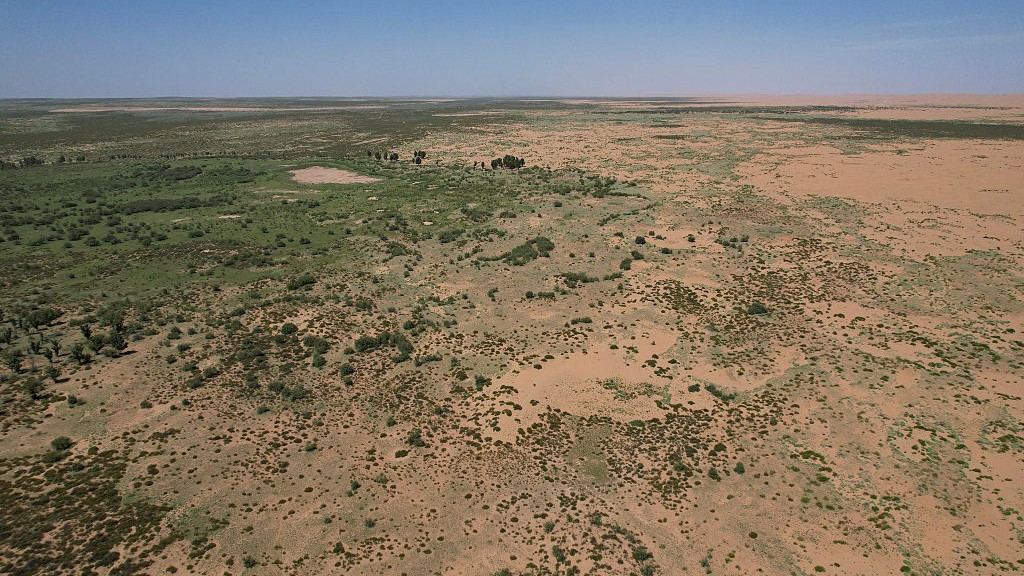 China has planted so many trees it's changed the entire country's water distribution
LATEST ARTICLES
China has planted so many trees it's changed the entire country's water distribution
LATEST ARTICLES- 118,000 dinosaur tracks discovered along ancient Bolivian coastline — and they set a new record
- 2Collapse of key Atlantic current could bring extreme drought to Europe for hundreds of years, study finds
- 3MIT invention uses ultrasound to shake drinking water out of the air, even in dry regions
- 4Giant rotating string of 14 galaxies is 'probably the largest spinning object' in the known universe
- 5Ancient 'hanging coffin' people in China finally identified — and their descendants still live there today