- Cars
- Electric Vehicles
British electric car drivers are saving £540 more on running costs than their German counterparts
Steve FowlerElectric Vehicles EditorThursday 04 December 2025 10:59 GMTComments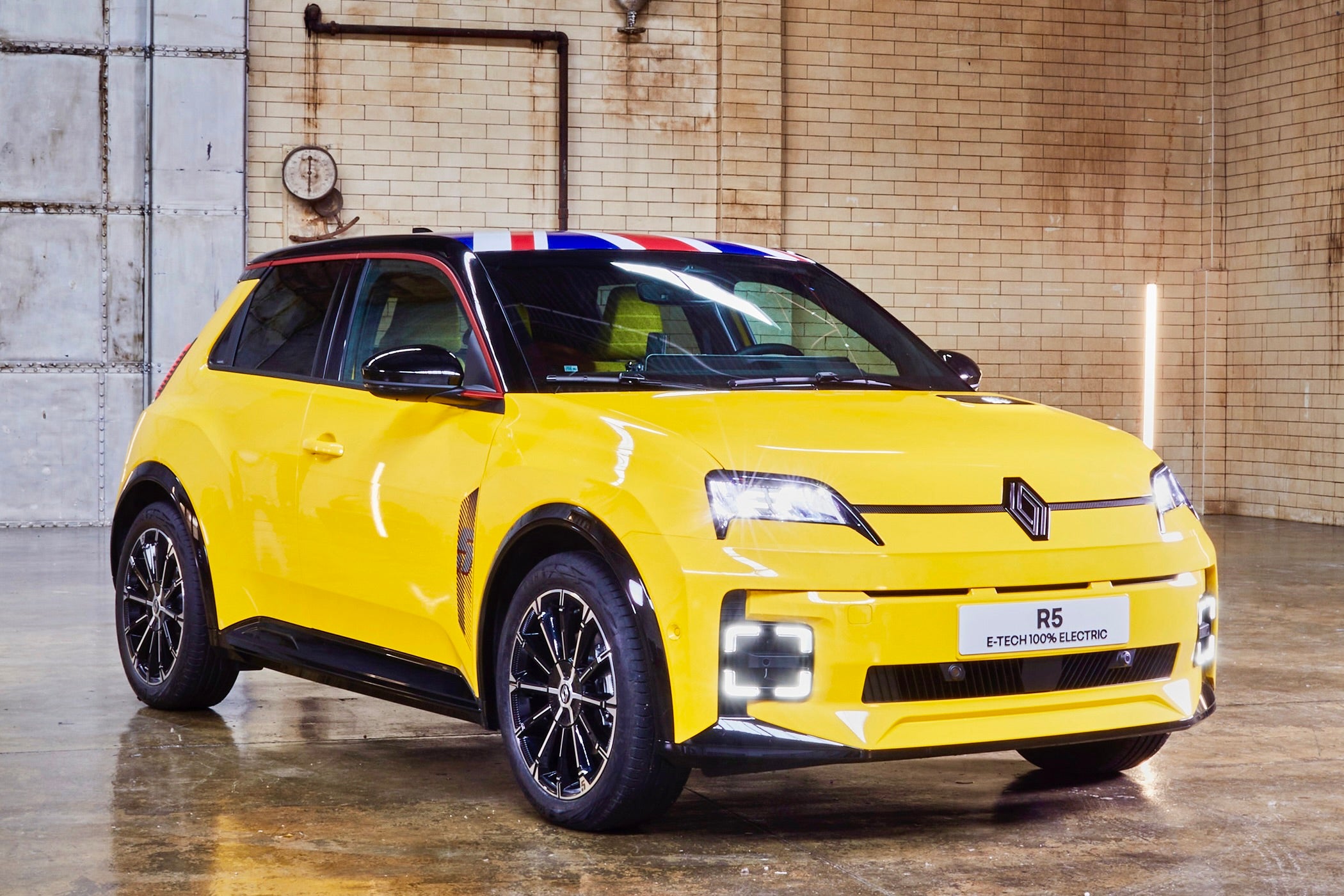 open image in galleryUK electric car owners are saving more money than Germany EV owners (Renault)
Get our weekly Drive Smart newsletter for motoring news, reviews and advice from EV editor Steve Fowler
Get motoring news, reviews and advice from EV editor Steve Fowler
Get our EV editor’s weekly Drive Smart newsletter
Email*SIGN UPI would like to be emailed about offers, events and updates from The Independent. Read our Privacy notice
British electric car drivers are saving significantly more money than their German counterparts, according to new analysis from the Energy & Climate Intelligence Unit (ECIU). The study found that UK EV owners are saving, on average, more than £1,500 a year by running an electric car instead of a petrol one – around £540 more than EV drivers in Germany.
With electric vehicles now accounting for more than one-in-five new car sales in the UK so far in 2025, the report highlights a clear financial benefit for drivers making the switch to electric power. The ECIU compared the costs of owning and running a range of popular electric and petrol cars in both countries.
The results showed that while EVs are cheaper to run than petrol cars in both the UK and Germany, the savings are far greater in the UK. German drivers can expect to save about £970 a year, but for British EV owners, that figure rises to more than £1,500 annually – making the UK one of the best-value EV markets in Europe.
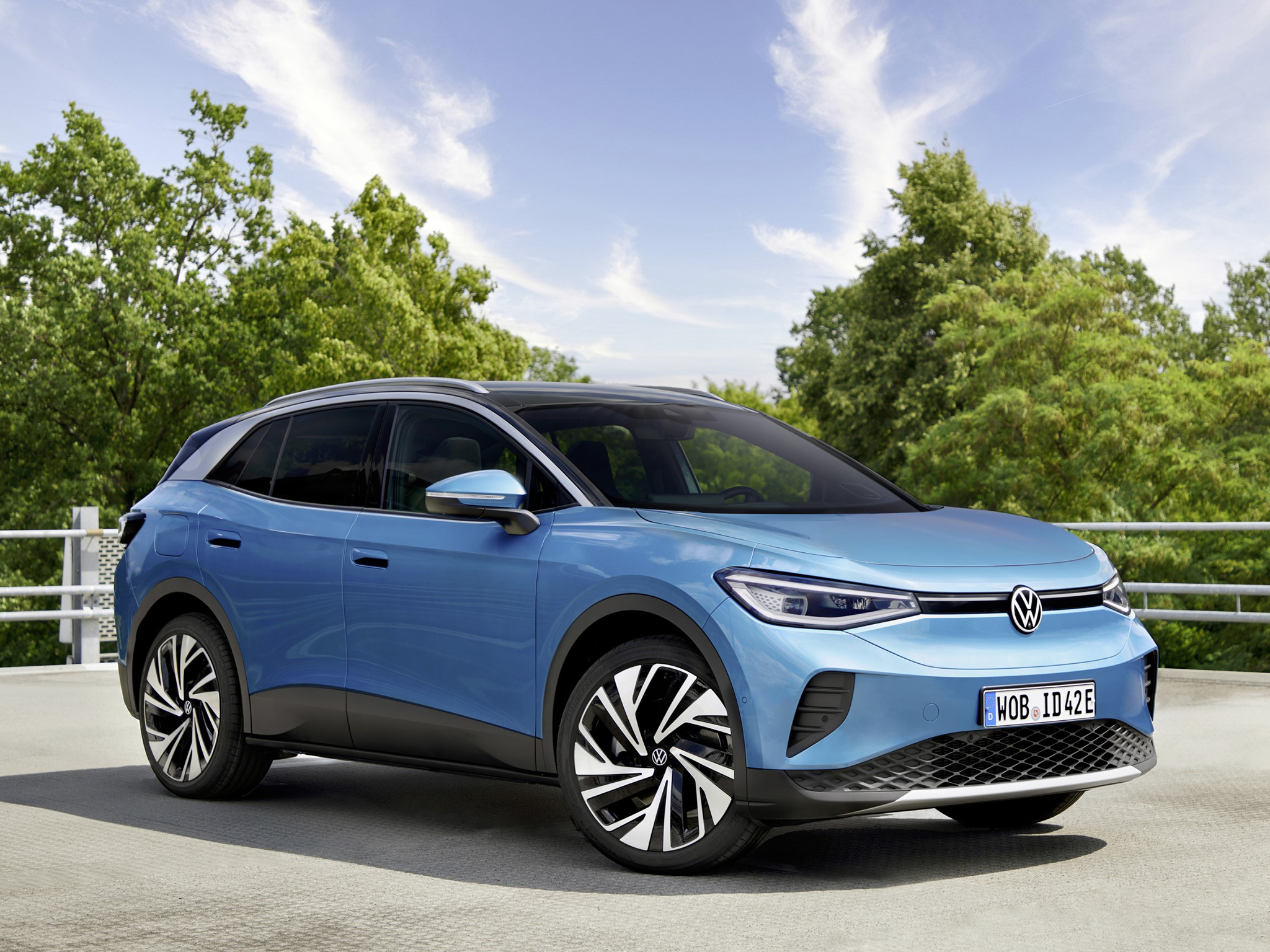 open image in galleryAn entry level Volkswagen ID.4 is now over £1,000 cheaper than a petrol Volkswagen Tiguan (Volkswagen)
The key reason, the ECIU says, lies in how British households use smart meters and flexible electricity tariffs. While petrol prices are broadly similar in both countries, UK electric car drivers can charge their cars overnight using cheap, surplus electricity at rates as low as 7p per kilowatt-hour (kWh). That means an EV can be driven for under 2p per mile, compared to around 15p per mile for a petrol or diesel car.
In Germany, however, the limited rollout of smart meters means these flexible tariffs are not widely available. German EV owners charging at home typically pay around 29p per kWh, or just over 7p per mile – still cheaper than petrol or diesel, but notably higher than in the UK.
Colin Walker, Head of Transport at the Energy & Climate Intelligence Unit, said: “We’re ahead of Germany in terms of market share for new EVs, which means a greater proportion of British drivers are taking advantage of the hundreds of pounds that can be saved by switching from petrol to electric driving. Thanks to electric cars the UK’s motoring bills are falling. And thanks to smart net zero technology most drivers can charge on cheap electricity overnight while they’re asleep, allowing them to save hundreds of pounds a year more than the average German EV driver.”
He added: “The majority of UK drivers have off-street parking, but even those who are reliant on regular public chargers can still make a saving over a petrol or diesel. With sticker prices falling and the second-hand EV market booming, more regular families are making these savings. But with the UK Government weakening its policy on EVs there’s a risk more people will get talked into buying hybrids, which recent research has found are typically even more polluting, and expensive to run, than previously thought.”
The analysis also found that the cost gap between petrol and electric cars is narrowing rapidly, especially with the government’s Electric Car Grant coming into effect.
Recommended The Independent EV Price Index November 2025
 EV prices continue to drop as Renault and Alpine models are boosted by £3,750 Electric Car Grant
 Sony and Honda are building a car, and I’ve been behind the wheel
 Kia EV5 review – could Kia’s latest EV be yet another World Car winner?
For example, the new Renault 5 E-Tech Electric starts at just £21,495 after the government grant, with the cheapest hybrid Renault Clio model costing £400 more. And the starting price of Germany’s Volkswagen ID.4 or ID.5 electric SUVs are now the equivalent of £1,085 cheaper than the entry-level Volkswagen Tiguan.

Get your charger and tariff now. Save happily EV after.
T&Cs apply
Find out moreADVERTISEMENT
Get your charger and tariff now. Save happily EV after.
T&Cs apply
Find out moreADVERTISEMENT
From a German perspective, Adrien Pagano, Head of Transport at the Initiative Climateneutral Germany (IKND), said: “This analysis highlights how much German drivers are missing out because our energy system has been too slow to modernise. While electric vehicles are already much cheaper to run than petrol or diesel cars, the lack of smart meters and flexible tariffs in Germany means that drivers cannot yet take full advantage of cheap and clean power – something that is already standard in the UK.”
He added: “If we want to boost the sales of electric cars, we must not only expand charging infrastructure but also unlock the benefits of smart charging and dynamic electricity pricing. These technologies can reduce costs for consumers and make better use of renewable power, a win-win for drivers and the energy transition.”
The ECIU says the UK’s lead in smart charging is now delivering tangible benefits – putting more money back into drivers’ pockets and helping accelerate the switch to zero-emission motoring.
More about
Electric carsGermanyJoin our commenting forum
Join thought-provoking conversations, follow other Independent readers and see their replies
Comments