- News
- UK
- Home News
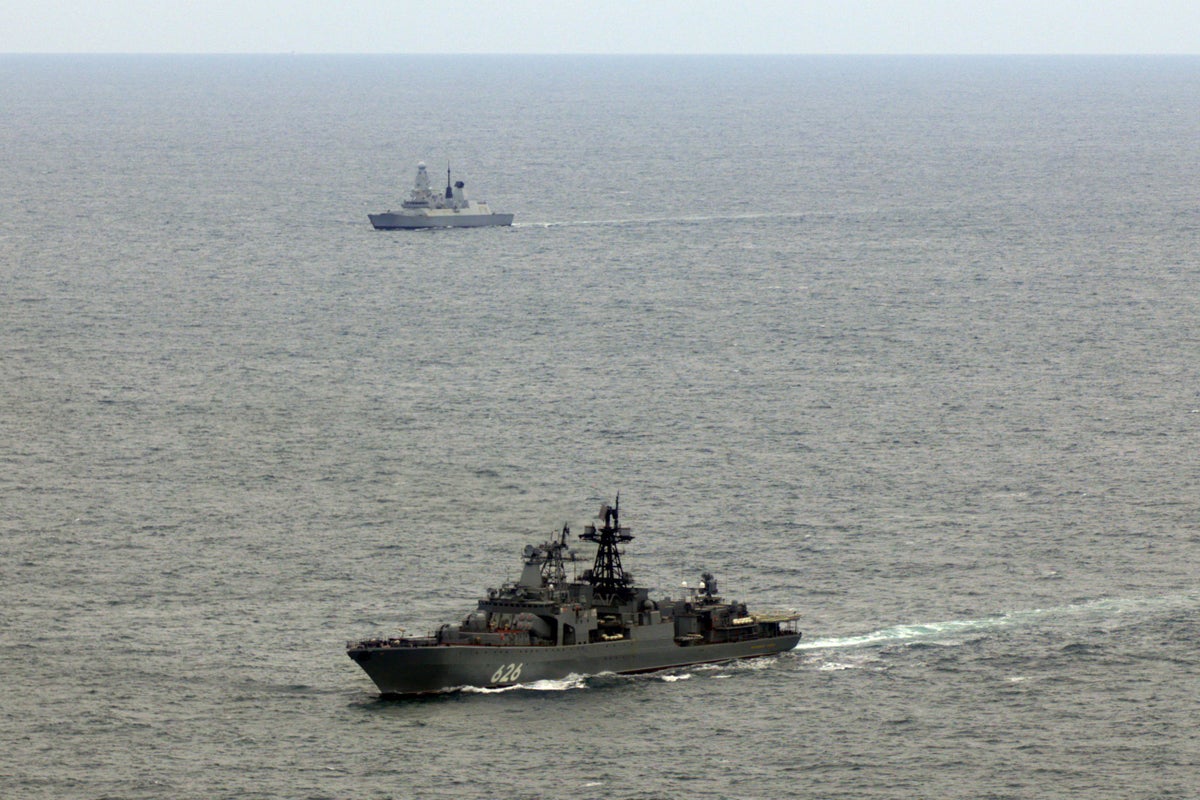
The warships will monitor Russian naval movements in the waters
Sophie WingateThursday 04 December 2025 00:01 GMTComments
 CloseIf Europe wants war, Russia is ready, says Putin
Get the free Morning Headlines email for news from our reporters across the world
Sign up to our free Morning Headlines email
Sign up to our free Morning Headlines email
Email*SIGN UPI would like to be emailed about offers, events and updates from The Independent. Read our Privacy notice
The UK and Norway are poised to sign a landmark defence pact, establishing a combined naval fleet specifically designed to track Russian submarines across the North Atlantic.
This initiative aims to safeguard critical undersea cables, which face an escalating threat from Moscow, with the Ministry of Defence (MoD) noting a 30 per cent rise in Russian vessel sightings in UK waters over the past two years.
The announcement comes as Prime Minister Sir Keir Starmer hosts his Norwegian counterpart, Jonas Store, at RAF Lossiemouth in northern Scotland.
The two leaders are scheduled to hear from P-8 maritime patrol crews, who have tracked Russian vessels such as the spy ship Yantar, which recently targeted one of their aircraft with lasers.
Named the Lunna House agreement, after the Shetland Isles base used by the Norwegian resistance in the Second World War, the pact is underpinned by a £10 billion UK-Norway warship deal signed in September.
Type 26 frigates, to be constructed at the BAE Systems yard in Glasgow, will form a fleet of at least 13 anti-submarine ships from both nations – with a minimum of five being Norwegian.
These warships will monitor Russian naval movements across the waters between Greenland, Iceland, and the UK, defending seabed cables and pipelines vital for British communications, electricity, and gas networks.
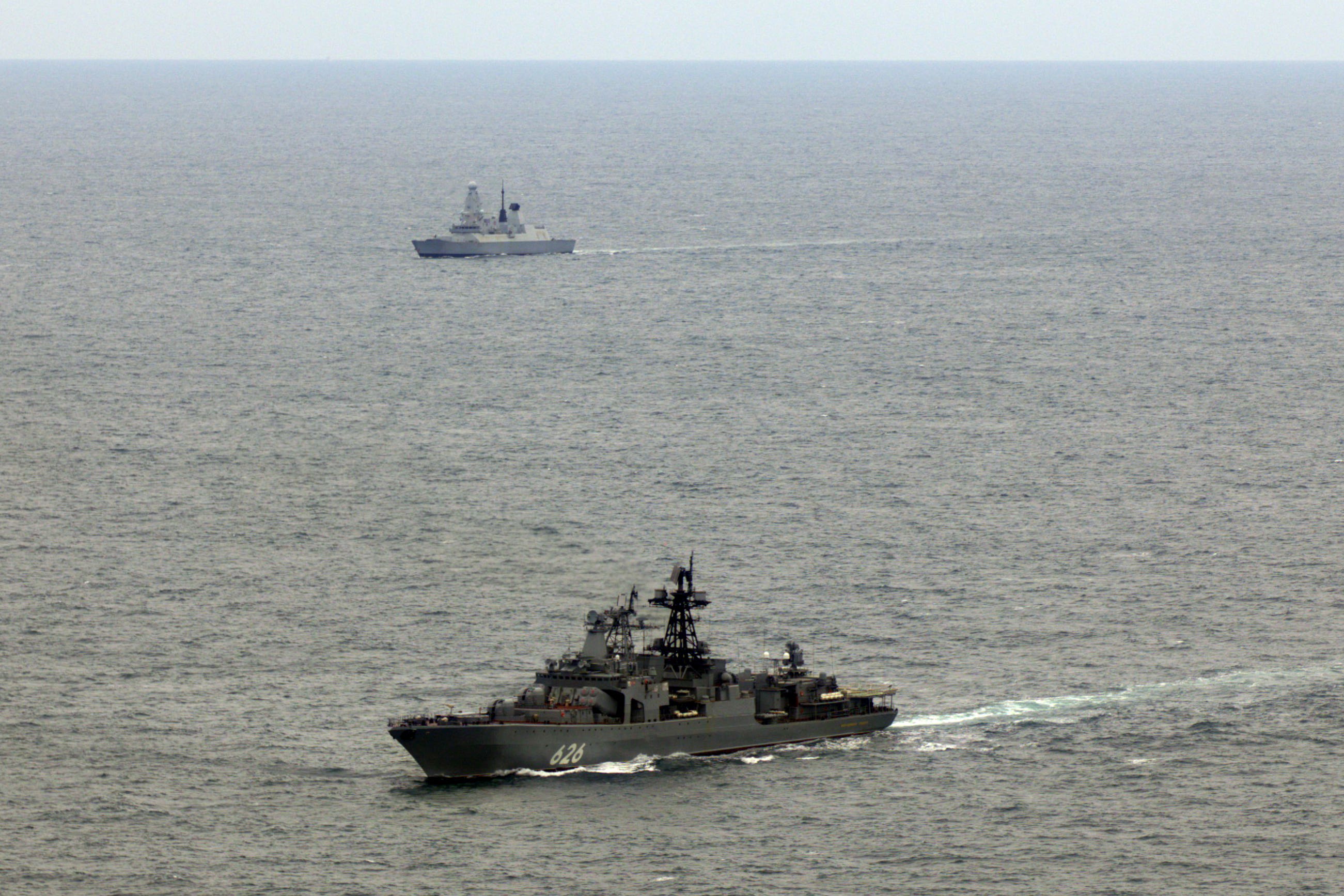 open image in galleryA Type 45 destroyer HMS Duncan (background) shadowing Russian destroyer Vice Admiral Kulakov as it sails through UK waters in the English Channel (Royal Navy/MoD Crown Copyright)
The agreement, to be signed by Defence Secretary John Healey and his Norwegian counterpart Tore Sandvik in Downing Street, will also see the UK join Norway’s programme to develop motherships for uncrewed mine hunting and undersea warfare systems.
Royal Marines will be trained in Norway to fight in sub-zero conditions, and the two countries will deepen their collaboration on using UK-built sting ray torpedoes, carry out joint wargaming and lead Nato’s adoption of autonomous systems in the High North.
The Royal Navy will also adopt advanced Norwegian naval strike missiles, which can take out enemy ships at ranges of more than 100 miles.
Sir Keir said: “At this time of profound global instability, as more Russian ships are being detected in our waters, we must work with international partners to protect our national security.
“This historic agreement with Norway strengthens our ability to protect our borders and the critical infrastructure our nations depend on.
“Through joint navy co-operation in the North Atlantic, we’re boosting security, supporting thousands of UK jobs, and showcasing Britain’s world-class shipbuilding on the global stage.”
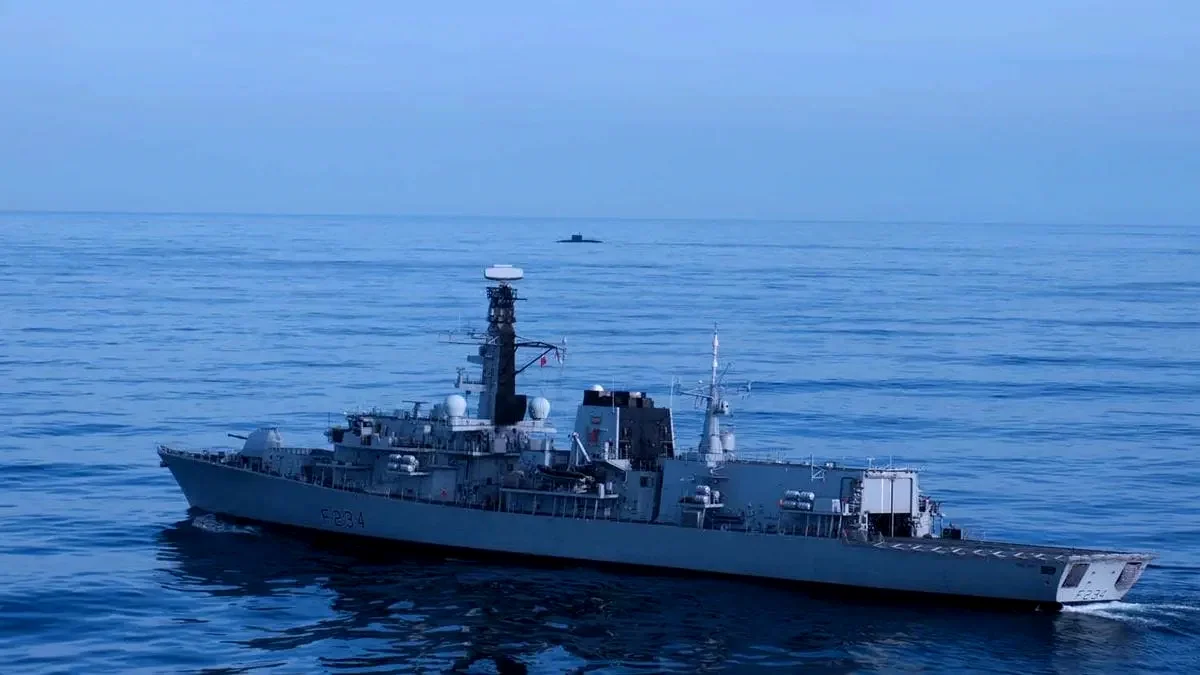 open image in galleryThe Royal Navy will also adopt advanced Norwegian naval strike missiles, which can take out enemy ships at ranges of more than 100 miles (Royal Navy)
Mr Healey said: “In this new era of threat and with increasing Russian activity in the North Atlantic, our strength comes from hard power and strong alliances.
“When our critical infrastructure and waters are threatened, we step up.
“For over 75 years, the UK and Norway have stood shoulder to shoulder on Nato’s northern flank, defending Europe and keeping our people safe.
“This partnership takes us further, making our nations more secure at home and strong abroad.
“Through this Lunna House agreement, we will patrol the North Atlantic as one, train together in the Arctic, and develop the advanced equipment that will keep our citizens safe now and into the future.
“We are stepping up on European security and delivering on our Nato-first plan.”
The UK and its Nato allies have become increasingly concerned about the risk Moscow poses to underwater cables and pipelines, amid heightened tensions following the invasion of Ukraine.
Attacks on undersea infrastructure could cause “catastrophic disruption” to the financial and communications systems Britons rely on, the National Security Strategy Committee warned in a September report.
More about
NorwayNorth AtlanticKeir StarmerJohn HealeyWarshipsRussiaJoin our commenting forum
Join thought-provoking conversations, follow other Independent readers and see their replies
Comments